
Not Tesla. Not Nvidia. Elon Musk's Chip Ambitions Could Supercharge This Artificial Intelligence (AI) Stock.
Source: fool.com
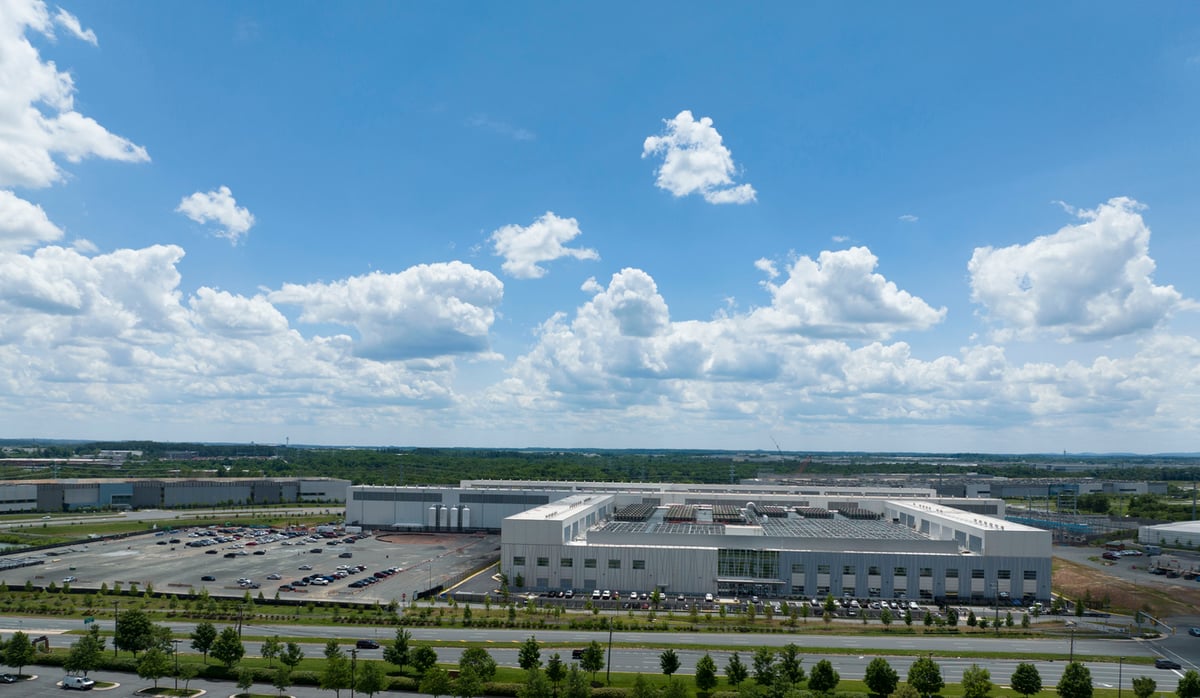
Tesla and SpaceX have committed $16.8 billion for Terafab’s first phase, a proposed Texas facility intended to integrate chip design, manufacturing and packaging and ultimately support 1 terawatt of computing power. Intel’s participation could give its foundry business a high-profile opportunity, but its Q2 external foundry revenue was only $293 million against $5.8 billion in total foundry revenue, and the division posted an approximately $2.1 billion operating loss. Terafab’s volumes and financial contribution remain uncertain; Intel must improve yields, manage capex, win more customers and make its foundry operations profitable.
Analysis
The market mechanism is customer validation, not near-term wafer revenue. A credible Intel engagement could lower the perceived risk of its foundry roadmap and improve its odds of winning follow-on customers; it does not establish that Terafab will use Intel for meaningful production or that Intel can meet the required yields, cost, and schedule. With external foundry revenue still small relative to the reported segment loss, sentiment can re-rate well before the economics do—and reverse just as quickly.
The competitive read-through to NVIDIA is indirect. Tesla and SpaceX developing custom silicon could reduce their eventual reliance on merchant accelerators, but that is not evidence of displacement in the broader AI market. TSMC may remain a beneficiary if total compute demand grows faster than new capacity; Terafab is not automatically a zero-sum transfer of orders. For Tesla and SpaceX, vertical integration could improve supply control but also concentrates execution and capital risk.
Near term (days), headline-driven INTC strength is vulnerable to giveback. Over 1–3 months, seek process/customer qualification details and capex commitments; over 6–18 months, the decisive evidence is repeat external design wins, improving yields, and a narrowing foundry loss. Contrarian view: investors may overvalue the strategic association while underweighting the time and capital needed to convert it into profitable volume. Falsify that caution with independently verifiable production qualification and sustained improvement in external foundry revenue and losses.
AllMind Terminal
AI-powered research, real-time alerts, and portfolio analytics for institutional investors.
Request TrialMarket Sentiment
Overall Sentiment
mildly positive
Sentiment Score
0.28
Ticker Sentiment
Key Decisions for Investors
- No headline-chasing INTC position: treat the project as an option on foundry credibility, not booked earnings. If taking exposure, keep it small until the customer scope, process node, and production timetable are verifiable.
- Relative-value idea: favor TSM over INTC while Intel’s customer qualification and foundry economics remain unproven. Reassess or close the relative position if Intel demonstrates repeat external wins, production yields, and a sustained narrowing of foundry losses. Key risk: a credible Terafab ramp could prompt a sharp INTC re-rating.
- Do not short NVDA solely on this announcement. Revisit only if custom silicon is shown to substitute for merchant accelerator demand at scale; otherwise, broader compute growth could support both NVIDIA and foundries.
- Watch for capex and funding disclosures from the project participants, as well as Intel’s external foundry revenue, operating loss, and process qualification updates. Without those details, avoid assigning a material earnings contribution or setting a price target.
More News
- Applied Materials’ $5 billion AI lab aims to cut chip development time in half—and restore Silicon Valley’s edge
- Meta’s Muse models reach the AI frontier—and kill any hopes to ‘pace’ it
- We're upgrading our Goldman Sachs rating after a strong quarter bodes well for the future
- Why this little known Chinese chipmaker has caused a global stock rout
- The SpaceX threat to telecom is real. How it could play out
- SpaceX IPO Helps Fuel $100 Billion Space Boom