
Two Blasts Heard in Ethiopian Capital as Drone Flights Suspended
Source: Bloomberg
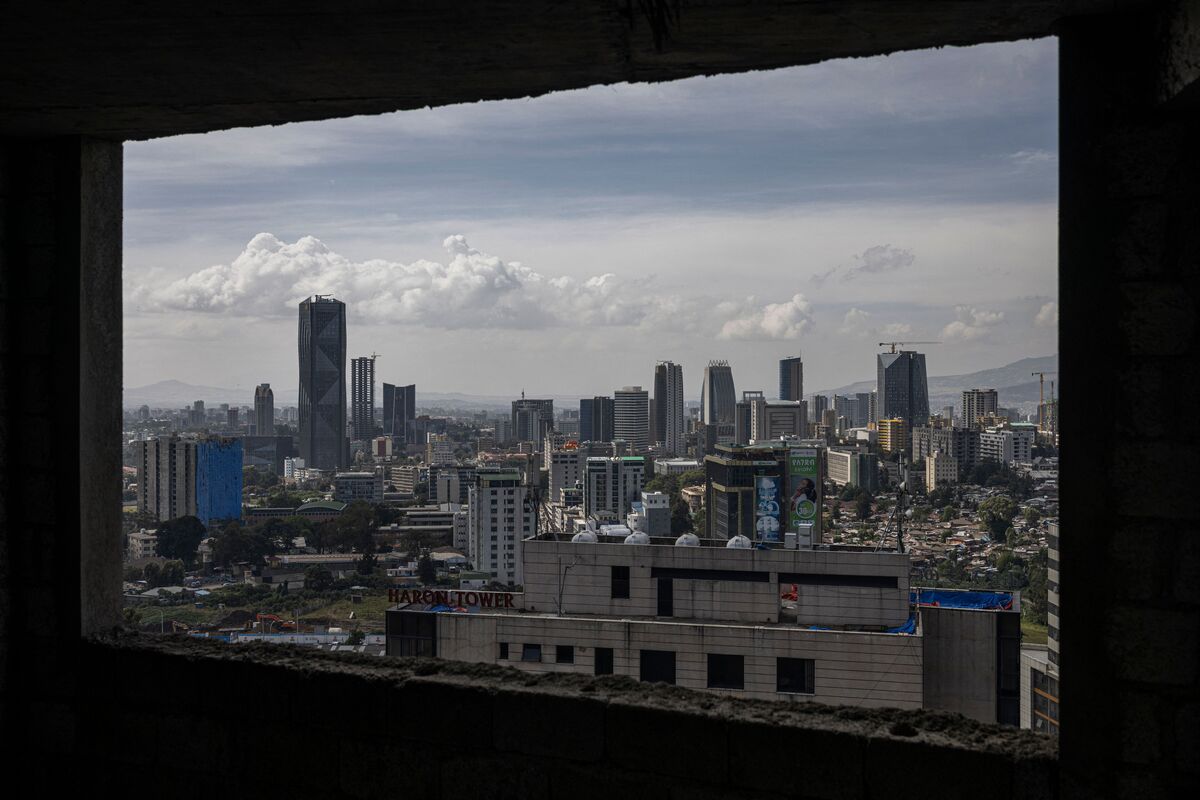
Two explosions were reported overnight in Addis Ababa, including one near the Ethiopian National Defense Force headquarters, as unrest intensified in the northern Tigray region. Drone flights were suspended, underscoring heightened domestic-security and conflict risks for Ethiopia, with potential implications for regional stability and investor risk appetite.
Analysis
The investable transmission is primarily through sovereign-risk repricing, aviation/logistics disruption and regional risk appetite rather than a direct Ethiopian equity exposure. A sustained deterioration would widen risk premia across East African hard-currency debt and raise cargo and war-risk insurance costs on the Addis Ababa hub, with downstream pressure on trade-dependent Kenyan and Djiboutian businesses. The most vulnerable assets are illiquid frontier-market vehicles, where modest outflows can produce disproportionately large NAV discounts and execution gaps.
Near-term market impact should remain contained unless unrest impairs airport operations, telecommunications, fuel distribution or the federal government’s ability to service external obligations. Over 1-3 months, a broader security event could force risk reduction in Africa-focused funds and increase financing costs for regional banks and infrastructure projects; over 6-18 months, prolonged instability would reduce foreign-exchange inflows, worsening import constraints and credit risk. The contrarian point is that broad Africa ETF selling is likely an overreaction absent evidence of cross-border disruption: Ethiopia has limited representation in liquid global benchmarks, so contagion into South African or Nigerian risk assets should be faded rather than chased.
This is not yet a standalone directional trade. The key falsifiers are verified operational disruptions at the main aviation hub, a material move wider in Ethiopia’s external-debt spreads, evidence of capital controls tightening, or security incidents extending into neighboring transport corridors. Without those confirmations, the event is best treated as a liquidity and headline-risk alert rather than a fundamental earnings revision for widely held listed companies.
AllMind Terminal
AI-powered research, real-time alerts, and portfolio analytics for institutional investors.
Request TrialMarket Sentiment
Overall Sentiment
strongly negative
Sentiment Score
-0.65
Key Decisions for Investors
- Do not initiate a broad Africa risk short solely on this headline; avoid shorting AFK or FM unless ETF discounts widen materially versus NAV and regional sovereign spreads confirm contagion. These funds are thinly traded, making headline-driven shorts vulnerable to sharp reversals.
- Place alerts on Ethiopia external-debt pricing, Addis aviation-operational notices and East African sovereign CDS/spreads over the next 5 trading days. A confirmed airport or corridor disruption would justify reducing frontier-market beta before longer-only outflows accelerate.
- For portfolios holding Kenya-listed exposure through regional mandates, review Safaricom Kenya and large Kenyan-bank positions for second-order FX and trade-finance sensitivity over the next 1-3 months; hedge only if Kenyan shilling pressure and regional funding spreads move together.
- If broad AFK/FM selling exceeds the move in underlying South African and Nigerian liquid constituents without corroborating regional disruption, consider a small tactical long in the more liquid vehicle with a 2-4 week horizon; stop on confirmed cross-border transport disruption or a further meaningful deterioration in sovereign credit pricing.
More News
- US to send third aircraft carrier towards Iran: US official to Al Jazeera
- Dollar at 17-month high as global bond rout hits euro
- Trump says US may ask Europe to release diesel reserves
- Latin America most exposed to any US ban on diesel exports, Goldman Sachs says
- Trump launches midterms campaign blitz amid record low approval ratings
- Latest Oil Market News and Analysis for Oct. 2