
Hypershell ridefinisce la mobilità umana con Halo, l'esoscheletro per gamba di punta progettato per la mobilità su tutti i terreni
Source: PR Newswire
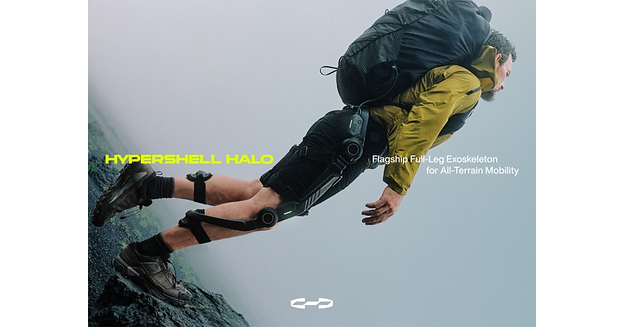
Hypershell presented at IFA 2026 the Hypershell Halo™ consumer exoskeleton, featuring four motored hip-knee joints coordinated as a single system plus HyperIntuition™ 2.0 AI control. Peak leg power is up to 1,490W across the full leg, with a 370g removable battery delivering up to 20km autonomy, and the device weighs 2.6kg. The Origin Edition opens for pre-order at €2,299 for the first 200 units, with initial sales and deliveries starting in November across the US/Canada/Europe/UK.
Analysis
This is more category-validation than a monetizable revenue event. The market mechanism is not “new AI hardware demand” so much as whether consumer robotics can move from demo to repeatable usage; until there is evidence of return rates, channel pull, and repair/service burden, the launch mostly accrues to the founder brand and to low-profile component suppliers, not to broad hardware multiples. For DELL, there is no obvious direct linkage: this is not a server-cycle catalyst, and any sympathy bid would be sentiment-driven rather than fundamentals-driven.
The bigger second-order effect is on adjacent competitors and substitutes: outdoor gear, fitness wearables, and industrial exoskeleton vendors could see the category framed as more usable and less niche, but that is a 6-18 month adoption question, not a near-term earnings story. The key risk is that consumer exoskeletons often look compelling in controlled demos yet struggle with comfort, fit, battery degradation, and after-sales support in real-world use. Those frictions usually show up in reviews and refund data before they show up in financial statements.
Contrarian take: the market may be overestimating how quickly “AI-enabled mobility” converts into meaningful shipment volume. A premium price point means this needs either affluent hobbyist demand or a pathway into higher-value use cases; absent that, the product remains a niche accessory, not a platform. For DELL specifically, the right trade is probably patience: if the stock is bid on generic AI/robotics enthusiasm, that move looks vulnerable because the launch does not create incremental Dell revenue or margin leverage.
AllMind Terminal
AI-powered research, real-time alerts, and portfolio analytics for institutional investors.
Request TrialMarket Sentiment
Overall Sentiment
mildly positive
Sentiment Score
0.35
Key Decisions for Investors
- No direct DELL position on this headline; treat the event as non-fundamental unless there is evidence of an OEM/supply relationship in future disclosures.
- If DELL trades up on sympathy by >1-2% intraday, fade the move with a short-dated put spread or sell-the-rally discipline; thesis breaks only if management later ties AI edge/robotics demand to a material order upswing.
- Set a 1-3 month watch item on consumer robotics adoption metrics (reviews, return rates, preorder conversion, distributor expansion); do not underwrite a revenue model without third-party sell-through data.
- If a broader robotics basket rallies, prefer to express it via diversified automation exposure rather than DELL; this headline is about category optionality, not Dell-specific cash flow.
More News
- Susan Dell is the one running the Dells’ $10 billion giving operation—and her biggest bets are on kids, health care, and UT Austin
- AI stocks plunge. Inflation heats up. Where we're still finding opportunities
- Bending Spoons wants to revive software castoffs. Berkshire is backing the plan
- AI rapidly improving, could vastly boost U.S. GDP, Anthropic's Clark tells policymakers
- ‘How many canaries have we killed in the coal mine?’ — Wall Street debates if the latest AI bubble warnings are another head fake or the real thing
- Semiconductor market to remain solid ‘at least through next year,’ South Korea finance minister says