
FarEye establece cuatro medidas para controlar el aumento de los costes de entrega en EMEA 2026
Source: PR Newswire
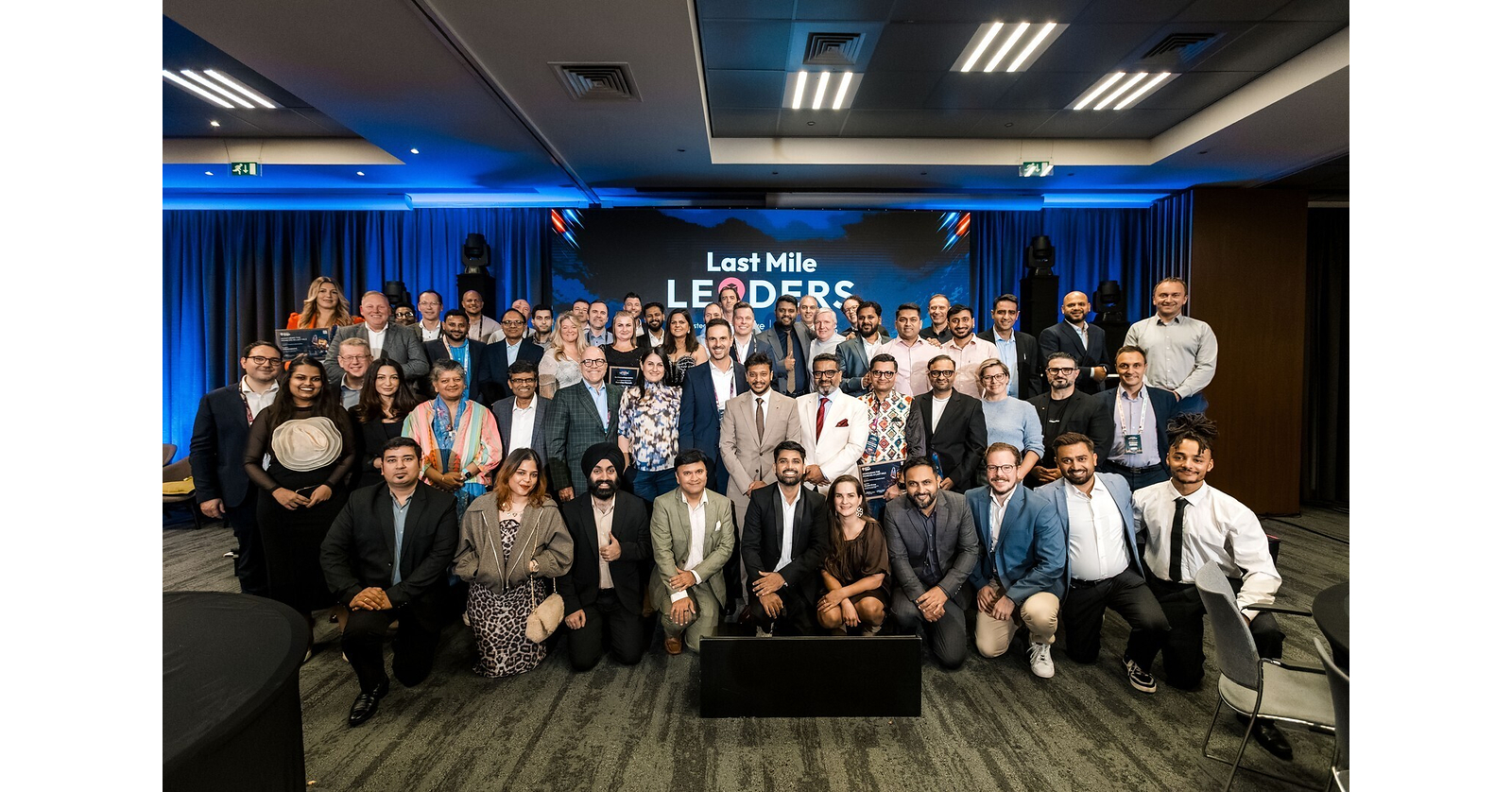
FarEye’s Eye on the Last Mile EMEA 2026 report found that last-mile delivery costs rose an average of 9% over the past year, with 96% of companies paying more per delivery. Among companies that fully outsource operations, 51% cited unreliable carrier information as their biggest challenge, versus 22% citing costs; FarEye CEO Kushal Nahata proposed four priorities focused on visibility, total service costs, delivery options and data-led AI with human oversight. The report drew on more than 4,000 data points from over 500 respondents.
Analysis
The investable signal is not the reported cost increase itself, but a potential shift in bargaining power: retailers that can compare carrier performance and total cost may reallocate volume toward reliable, lower-cost networks. That could reward scaled carriers with clean data and dependable service while disadvantaging fragmented operators that compete mainly on headline rates. Retailers may retain savings only if they use them to reduce fulfillment expense rather than give them back through free or faster delivery.
Treat the survey as a vendor-sponsored demand signal, not proof of realized software ROI. The cited operational pain points support interest in orchestration and analytics, but do not establish adoption rates, customer payback, or FarEye revenue conversion. AI claims are especially contingent on standardized, sufficiently complete carrier data; poor inputs can automate bad decisions and increase exception costs.
Near term (days): limited basis for a trade; the release supplies no listed-company earnings revisions or independently verified financial outcomes. Over 1–3 months, watch retailer and carrier commentary for evidence that cost-per-delivery, failed attempts, or carrier mix are improving. Over 6–18 months, broader standardization could shift procurement toward measurable service quality and expose smaller carriers to volume loss. The thesis weakens if retailers cannot integrate systems economically, carrier data remains unreliable, or delivery costs ease without orchestration investment.
AllMind Terminal
AI-powered research, real-time alerts, and portfolio analytics for institutional investors.
Request TrialMarket Sentiment
Overall Sentiment
mixed
Sentiment Score
-0.10
Key Decisions for Investors
- No event-driven position is warranted from this press release alone. Treat FarEye as a private-company/vendor signal; the supplied data provides no investable ticker or evidence of commercial conversion.
- Set an alert for earnings from parcel carriers such as UPS and FedEx and large retailers: look for quantified changes in cost per package, delivery exceptions, service reliability, and contract or volume mix. Consider relative exposure only after those metrics corroborate the survey.
- For a conditional 6–18 month thesis, monitor logistics-software and automation providers against lower-scale last-mile operators. Prefer the software side only if customer adoption and payback become independently visible; otherwise the likely near-term beneficiaries are retailers with procurement scale, not vendors whose ROI remains unproven.
- Falsifiers: retailer guidance showing rising fulfillment cost despite technology investment; no improvement in delivery exceptions or reliability; or carrier disclosures indicating stable allocation and pricing power despite greater shipper transparency.
More News
- SK Hynix Posts Record Profit Amid AI Rush
- SK Hynix third-quarter profit sharply beats estimates on AI memory boost
- Anthropic's IPO could be 'speculative fiction' or a 'generational moment' — investors are split
- Anthropic IPO Seeks Investors, With Risks of Catastrophe, Rogue AI
- Iran’s calculations as US escalation looms: Trust, midterms, Hormuz
- Tech's relief rally extends as attention turns to tough decisions for the Fed