
Salesforce Stock Looks Enticing After Dreamforce 2026
Source: seekingalpha.com
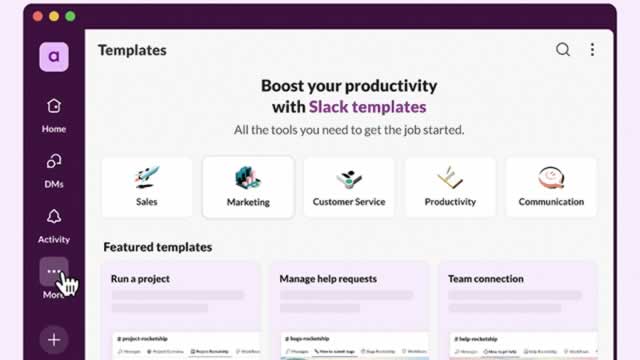
Salesforce reported Q2 revenue growth of 11% year over year to $11.3B, while Agentforce ARR increased more than 240% and constant-currency cRPO growth accelerated to 14%. The results indicate strengthening enterprise demand despite concerns over a potential SaaS downturn. AIforce and Koa product launches bolster Salesforce's AI positioning and support management's target of more than $63B in revenue by 2030.
Analysis
The investable question is not whether CRM can attach AI features, but whether those features raise net revenue retention and reduce selling costs faster than inference and partner-revenue sharing dilute gross margin. The disclosed AI growth rate is not independently meaningful without its ARR base, paid-seat penetration, consumption mix, and renewal cohorts; a small base can support a large percentage figure with immaterial EPS impact. The near-term re-rating catalyst is evidence that AI is converting from pilot budgets into broader Sales/Service Cloud expansions, visible in remaining-performance-obligation durability and FY guidance rather than product-launch commentary.
CRM is relatively insulated from the "SaaSpocalypse" narrative because its system-of-record position makes switching risk low, but it is exposed to a subtler risk: AI agents can reduce the number of human service and sales seats, cannibalizing per-seat monetization unless usage-based agent revenue exceeds displaced licenses. This creates a 6-18 month split between CRM and lower-value workflow SaaS: CRM, NOW, and MSFT can monetize orchestration and proprietary data, while single-function seat-based vendors face a more direct volume headwind. The key competitive read-through is whether customers standardize on Salesforce's agent layer or use hyperscaler models and integration platforms to avoid application-vendor lock-in.
Consensus may be underestimating margin risk from AI implementation costs and overestimating the immediacy of revenue conversion. A strong cRPO print supports demand, but it does not establish AI-specific pricing power; if bookings increasingly include discounted bundles or multi-year credits, billings quality may lag. Over the next 1-3 months, the setup favors CRM only if management quantifies paid Agentforce deployments, consumption economics, and gross-margin trajectory; absent that disclosure, bullish positioning is vulnerable to a "good growth, lower-quality mix" reaction.
AllMind Terminal
AI-powered research, real-time alerts, and portfolio analytics for institutional investors.
Request TrialMarket Sentiment
Overall Sentiment
strongly positive
Sentiment Score
0.72
Ticker Sentiment
Key Decisions for Investors
- Maintain or initiate a measured long CRM ahead of the next earnings print, targeting a 3-6 month catalyst window; add only if paid AI deployment metrics and forward cRPO remain at or above the current growth trajectory. Exit or hedge if FY revenue guidance is maintained while operating-margin guidance falls, signaling AI costs are being absorbed without monetization.
- Express relative quality rather than broad SaaS beta: long CRM / short IGV in equal dollar amounts for 3-6 months. The trade isolates durable enterprise data/workflow franchises from lower-switching-cost SaaS exposure; reassess if IGV outperforms CRM by 10% without a corresponding deterioration in CRM bookings or retention.
- Use a defined-risk bullish structure rather than chasing spot after product-event enthusiasm: buy 6-month CRM call spreads financed, where liquidity permits, with a short call near a 10-15% upside target. The thesis requires a measurable AI revenue disclosure or upward guidance revision; otherwise time decay and valuation compression are the primary risks.
- Set an earnings watch item—not a position trigger—for AI cannibalization: flag any disclosure of declining net seat growth, rising implementation expense, or weak current billings despite elevated cRPO. Two consecutive quarters of this pattern would favor reducing CRM and reassessing a short against MSFT or NOW, whose enterprise AI distribution is broader.
More News
- Warsh spooks investors, OpenAI's 'concerning' incidents, Boeing's production problems and more in Morning Squawk
- Intel and Micron lead our portfolio higher, and J&J's strengthens our case for owning it
- Figma stock analysis: IPO hangover, strong fundamentals, and a contested valuation
- Real-Economy Corporate Events Investors Should Watch This Month
- JPMorgan reiterates Overweight on Salesforce stock, $265 target
- Salesforce's Anthropic Bet Likely Worth 'Tens of Billions' — And Benioff Plans to Cash In
From AllMind Research
- Anthropic IPO Preview: Valuation, Timing, and What to Watch
- Shein After the IPO: Venue, Valuation, and What Must Be Proved
- What AI Research Tools Should a Small Hedge Fund Buy First?
- Bitcoin's 52% Crash Proves It's a Tech Stock: Here's What That Means for Portfolio Construction
- What Is an AI Investment Research Platform?