
Natural Gas, WTI Oil, Brent Oil Forecasts – Oil Rallies As Houthis Attack Saudi Airports
Source: fxempire.com
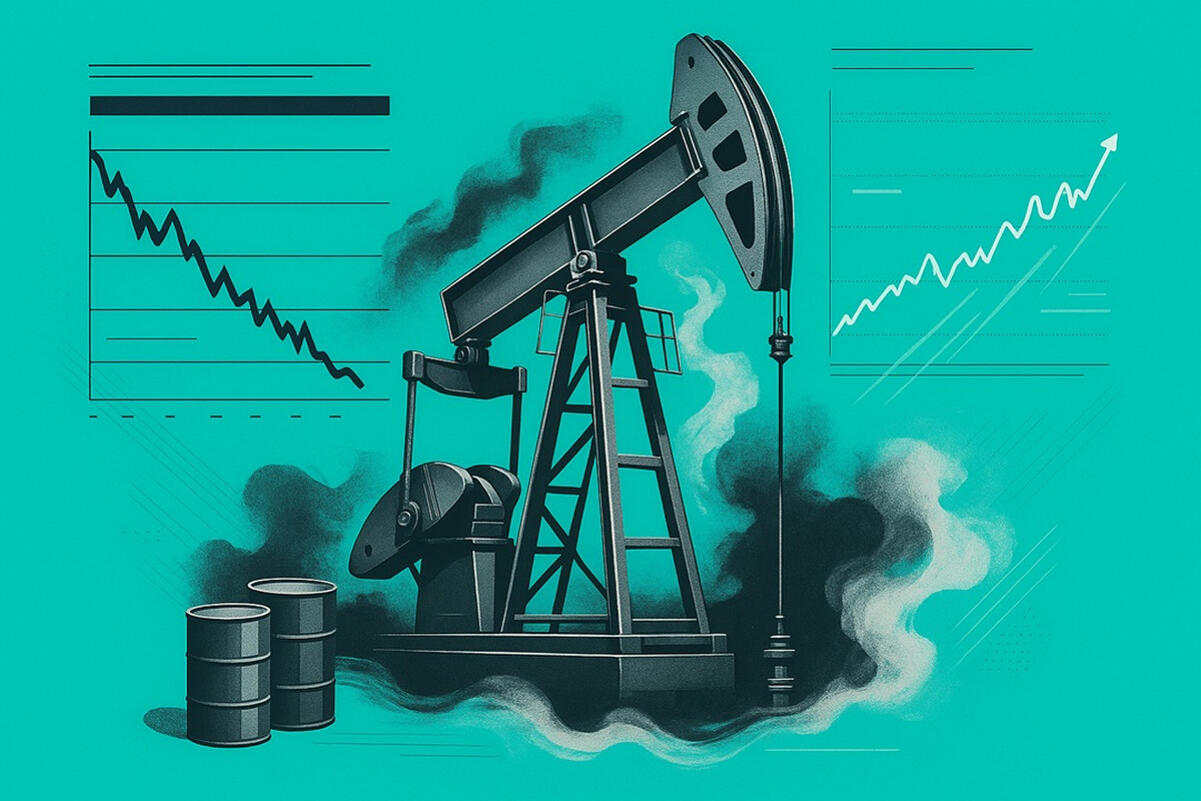
WTI is attempting to settle above resistance at $92.50–$93.00, with a break above $93.00 pointing to $96.50–$97.00; Brent has moved above $105 and is testing $107, with next resistance at $109.00–$109.50. The article attributes crude’s gains to supply-risk concerns after Houthi attacks on Saudi Arabia and broader regional escalation risks. Natural gas is retreating after Hurricane Isaias caused no major supply disruptions and Gulf production restarted; a break below $3.15 could expose $3.00–$3.05 support.
Analysis
The setup is a potential divergence, not a broad energy signal: crude carries an escalation premium while gas is exposed to production and weather balances. A crude breakout would benefit unhedged upstream producers, but the premium can reverse quickly if Saudi retaliation, attacks on infrastructure, or U.S. involvement fail to materialize. Refiners and fuel-sensitive transport would face the opposite exposure; pass-through timing and product cracks matter more than crude alone. Do not treat the article’s claim about Iran’s motives or support for the Houthis as verified—confirm independently before assigning it probability.
Near term, the stated WTI $93 and Brent $107 thresholds are technical triggers, not evidence of a durable supply deficit. A failed breakout could unwind quickly, particularly if positioning has crowded into geopolitical risk. Over 1–3 months, monitor verified physical disruptions, shipping/insurance costs, Saudi export flows, sanctions enforcement, and inventories. Gas should be assessed separately: absent weather or infrastructure disruption, rising production can outweigh crude’s risk premium. Over 6–18 months, sustained crude strength would support producer cash flows but could also accelerate demand destruction and substitution; a transient spike mainly raises input-cost risk for consumers.
The contrarian opportunity is to avoid buying headline risk indiscriminately. No company-specific earnings or valuation data are provided, and the article’s technical levels may be stale; verify live prices, positioning, and physical-market indicators before sizing.
AllMind Terminal
AI-powered research, real-time alerts, and portfolio analytics for institutional investors.
Request TrialMarket Sentiment
Overall Sentiment
mildly positive
Sentiment Score
0.20
Key Decisions for Investors
- Treat crude as a conditional momentum trade: consider a small, defined-risk WTI call spread only after a confirmed settlement above the article’s $93 trigger; avoid chasing an intraday breach. Falsify on a close back below the breakout or evidence that physical supply is unaffected and escalation risk is receding.
- Keep natural gas exposure distinct from crude. A move below the cited $3.00 area would support a tactical bearish bias only if live production and storage data confirm oversupply; weather-driven demand or a production interruption invalidates it.
- As a relative-value watch, evaluate crude-long versus gas-short exposure only after checking contract expiries, seasonal balances, and current volatility. The spread can lose on an abrupt gas weather shock or crude risk-premium unwind; use limited risk rather than a leveraged outright position.
- Monitor refiners and fuel-sensitive transport for downside sensitivity if crude holds higher, but do not short the sectors solely on this article: verify refining cracks, fuel surcharges, and company guidance first.
More News
- Houthis threaten Saudi Arabia’s Aramco facilities and airports
- Just 32 countries are driving 95% of global growth as the IMF warns of an increasingly uneven economy
- Huge profits at tech and energy companies are masking this key trend
- Why this little known Chinese chipmaker has caused a global stock rout
- ‘The cost to us, the United States, is high’: Trump’s ‘financial lifeline’ diesel deal with Putin sparks bipartisan backlash in Congress
- Russia's Oil Exports Slow as Black Sea Loading Takes Longer