
InkSonic lanza la Spark F13, una impresora DTF de 13 pulgadas diseñada para pequeñas empresas
Source: PR Newswire
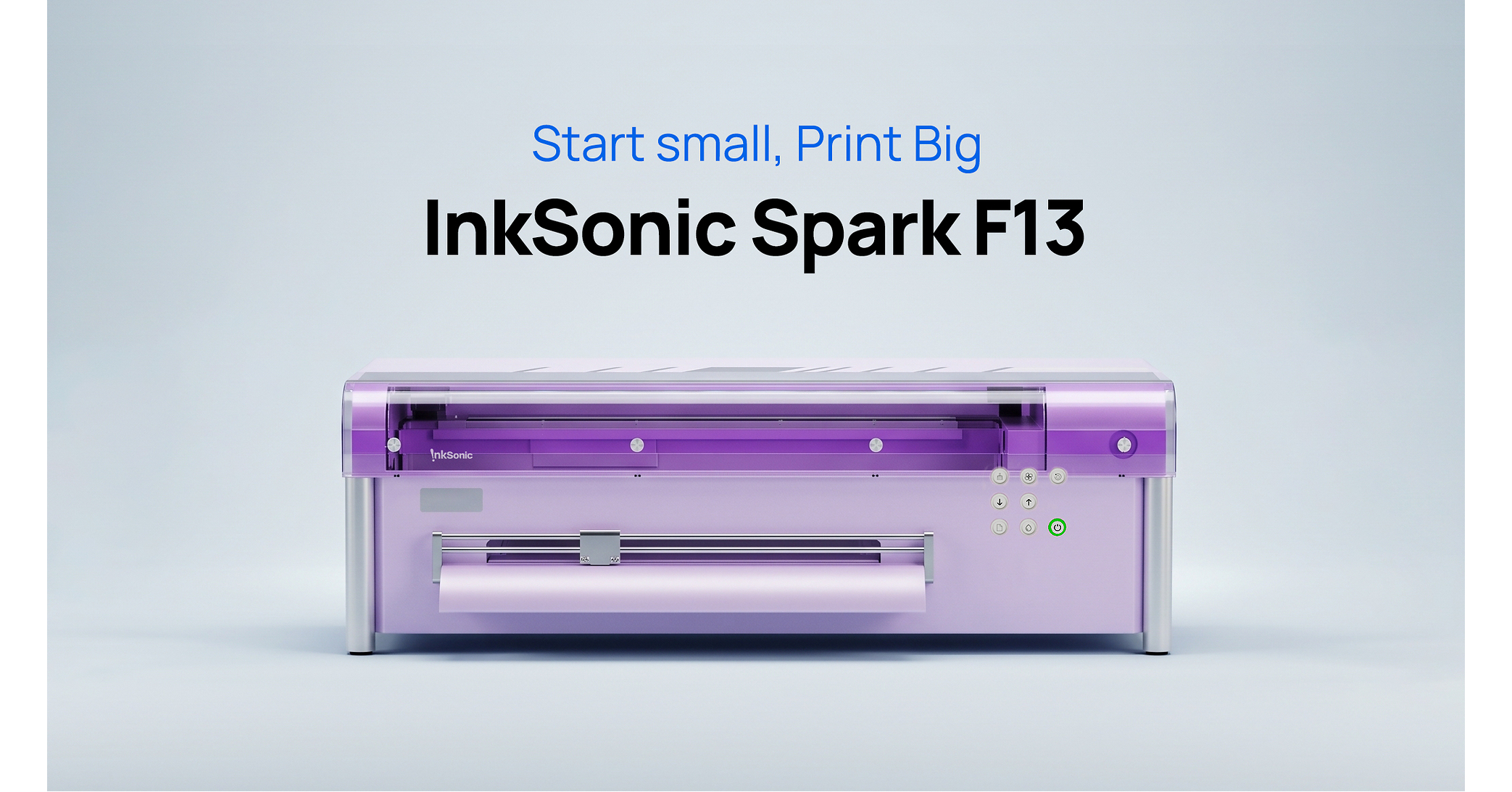
InkSonic launched the 13-inch Spark F13 DTF printer on September 15, 2026, targeting Etsy and Shopify sellers, small apparel shops, and home-based entrepreneurs. The product features ink-level alerts, automated printhead maintenance, and real-time visual workflow monitoring designed to reduce downtime and simplify small-batch customized garment production. The launch is a positive product-development update, but no pricing, sales targets, or financial impact were disclosed.
Analysis
This is not material to SHOP or ETSY near-term earnings, but it marginally lowers the operational friction for micro-merchants to add customized apparel and merchandise SKUs. The relevant mechanism is higher seller attachment and potentially greater GMV frequency, not a meaningful change in marketplace take rates; most incremental production is likely to displace local print shops or existing sublimation/screen-print workflows rather than create entirely new demand.
The second-order risk is marketplace saturation. Easier DTF production reduces minimum viable scale for apparel sellers, increasing SKU proliferation and paid-ad competition; that can pressure conversion and unit economics for incumbent Etsy sellers even as platform listing activity rises. SHOP is better positioned than ETSY if sellers use direct-to-consumer storefronts to retain customer data and avoid marketplace fees, although fulfillment, acquisition costs, and quality-control failures remain the binding constraints—not printer access.
Over the next 1-3 months, the only observable signal is whether DTF-related merchant tools, consumables, and storefront integrations show unusual search, app-install, or seller-onboarding traction. Over 6-18 months, a broad decline in entry-level DTF equipment costs could support long-tail commerce creation, but the financial effect for public platforms remains too diffuse to underwrite from a vendor press release. The thesis is falsified if seller growth and GMV per seller do not improve despite broader adoption of low-cost production tools, or if returns/quality complaints rise as inexperienced operators enter customized apparel.
AllMind Terminal
AI-powered research, real-time alerts, and portfolio analytics for institutional investors.
Request TrialMarket Sentiment
Overall Sentiment
mildly positive
Sentiment Score
0.32
Ticker Sentiment
Key Decisions for Investors
- No standalone trade on SHOP or ETSY: the claimed productivity improvement lacks independently verifiable unit shipments, installed-base data, or merchant GMV linkage, and the expected earnings sensitivity is immaterial.
- Maintain any existing SHOP-over-ETSY structural preference over 6-18 months only if direct-store merchant additions and subscription-solutions revenue continue outpacing marketplace seller growth; this channel modestly favors owned storefronts, but is not a catalyst by itself.
- Set an alert around Etsy seller-services metrics and Shopify merchant additions in the next two earnings cycles: sustained seller growth without GMV-per-seller improvement would indicate competition-driven dilution rather than demand creation and would weaken the long-tail commerce thesis.
- Watch apparel customization demand proxies—Google Trends for DTF printing, blank-garment pricing, and Etsy custom-apparel search conversion—before considering a sector expression. A simultaneous rise in seller entry and falling conversion would be a negative read-through for ETSY seller economics.
More News
- OpenAI's new sponsored agents are happy to chat about selling you things
- US official says upcoming spectrum auctions could generate more than $100 billion
- 'Science fiction': Transport companies — the backbone of economy — are sounding alarm on fuel prices
- What to know about US Federal Reserve’s first interest rate hike in 3 years
- Investors react to Fed hike and market sell-off: Brace for 'higher for longer' rates
- AI Buildout Hits Inflation as Fed Hikes Rates
From AllMind Research
- Anthropic IPO Preview: Valuation, Timing, and What to Watch
- Shein After the IPO: Venue, Valuation, and What Must Be Proved
- What AI Research Tools Should a Small Hedge Fund Buy First?
- Run Cost-Controlled Financial Research in AllMind Agent Studio
- State of Public Markets, June 2026: Higher for Longer Meets the AI Supercycle