
Best High-Yield Savings Accounts Today, Oct. 13, 2026: Earn up to 5.00% APY
Source: fool.com
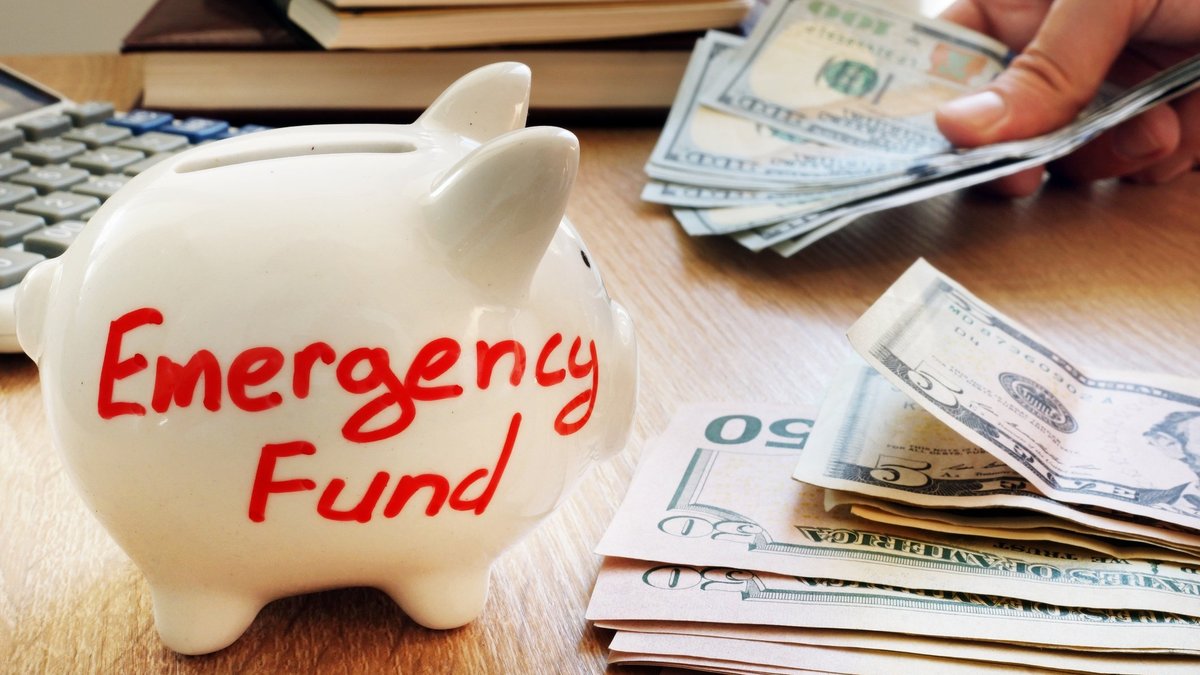
High-yield savings accounts are advertised at rates of up to 5.00% APY, with the article listing top rates mostly between 4.25% and 5.00%. It attributes rising savings yields to banks responding to the Federal Reserve’s September rate hike, described as its first hike since mid-2023, while noting that APYs are variable and can change. The article says a $20,000 balance would earn over $800 in a year at 4.00% APY, versus less than $80 at the cited 0.37% national average.
Analysis
The investable signal is deposit pricing pressure, not a clean earnings tailwind from higher policy rates. Higher advertised APYs can help online banks attract balances, but those balances are economically valuable only if incremental funding replaces costlier sources or supports profitable asset growth; otherwise, deposit beta rises and net interest margins compress. The promotional, conditional, and variable-rate offers here do not establish actual deposit inflows or durable funding costs.
AX (Axos Financial) is the clearest company-level watch: the article highlights an Axos-branded offer, but gives no balance growth, retention, or funding-cost evidence. Treat the placement cautiously—the publisher discloses a position in and recommendation of Axos Financial. SOFI and, if Happen Bank is consolidated within HAPN, HAPN may gain customer acquisition, but introductory boosts and activity requirements can make acquisition costly and balances rate-sensitive. Verify the Happen corporate relationship before attributing account economics to HAPN. For BCS, the article provides no basis to map a US savings offer into parent-company earnings.
Near term, the September hike may prompt repricing and deposit competition; over 1–3 months, earnings disclosures on deposit costs, balances, and deposit beta matter more than advertised APYs. Over 6–18 months, a reversal in policy rates could rapidly reduce these variable rates and trigger balance migration. Contrarian point: “higher rates” are not automatically positive for bank equities—asset yields may reset more slowly than funding costs, and promotional rates are not durable evidence of franchise strength. The article is a product-ranking piece, not independently verified deposit-flow data.
AllMind Terminal
AI-powered research, real-time alerts, and portfolio analytics for institutional investors.
Request TrialMarket Sentiment
Overall Sentiment
mildly positive
Sentiment Score
0.15
Ticker Sentiment
Key Decisions for Investors
- No outright trade on the article alone. Put AX and SOFI on an earnings watchlist; verify deposit growth, interest-bearing deposit costs, deposit beta, and whether acquired balances persist after promotional terms expire.
- Consider a relative-value position only after confirming fundamentals: favor banks with demonstrable low-cost deposit retention over those relying on rate-led acquisition. Do not infer that AX outperforms from the product ranking; the article supplies no comparative funding or valuation data.
- Use the next 1–3 months of earnings and guidance as the catalyst check. Falsify the deposit-franchise thesis if deposit costs rise faster than asset yields, balances stagnate after promotions, or management guides to weaker net interest margins.
- Treat APY tables as a consumer-pricing snapshot, not a rate forecast. Track Fed decisions and actual account terms; variable rates can fall, and introductory or activity-qualified offers may not represent ongoing economics.
More News
- Meta shares rise for a second straight day as new AI model family impresses
- Goldman Sachs quarterly profit rises on equities strength
- Stock Market Today, Oct. 13: Rate Pressures and Analyst Downgrades Weigh on Rocket Companies
- Stock futures are little changed as traders await consumer inflation report: Live updates
- SoFi has lost nearly half of its value in 2026. StoneX sees recovery ahead
- Alphabet’s Ruth Porat brings a pragmatic optimism to the AI race—and a warning about the possible downsides