
Rigetti Builds Commercial Momentum With Hybrid Quantum-HPC Strategy
Source: zacks.com
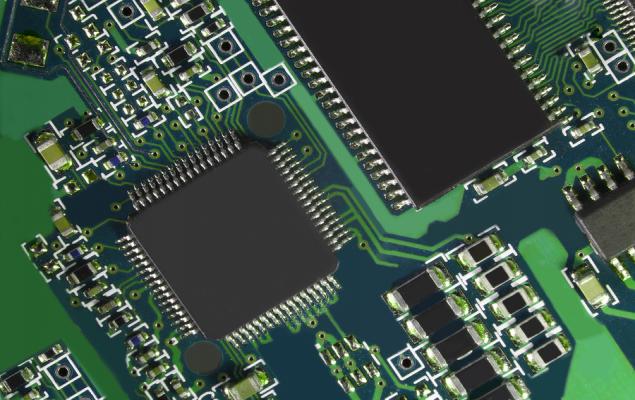
Rigetti will supply a 9-qubit Novera quantum system to the Pittsburgh Supercomputing Center's TangleLab for integration with HPE high-performance computing infrastructure, with deployment expected in 2027. The company cites 50-60 nanosecond gate speeds as an advantage for hybrid quantum-classical workloads and has delivered two 9-qubit systems to commercial research customers in 2026. The collaboration supports Rigetti's commercialization strategy as it improves its 108-qubit Cepheus platform and targets a chiplet-based roadmap toward roughly 1,000 qubits, though deployments remain pre-production.
Analysis
This is strategically useful validation of quantum-HPC integration, but not a near-term earnings event. For RGTI, the economic bottleneck remains error-corrected performance, uptime and customer conversion—not gate speed alone; a small research deployment has immaterial revenue impact relative to ongoing cash burn. HPE gains option value as a quantum orchestration and services vendor, but its revenue exposure is too small to alter the core server, networking and enterprise-AI valuation.
The more important competitive read is that physical installations create ecosystem lock-in: users build workflows, talent pipelines and data interfaces around a hardware stack before production quantum advantage is proven. IONQ's larger-system campus deployment is therefore commercially stronger evidence than RGTI's research-scale footprint, while QUBT's academic framework is least monetizable until it discloses funded orders, milestones, or recurring software/services revenue. Over 6-18 months, the winner will be the vendor demonstrating repeatable paid access or system utilization, rather than the highest nominal qubit count.
Consensus likely overweights partnership headlines and underweights dilution risk. These companies trade on milestone optionality, so delays in fidelity, installation acceptance, or customer-paid follow-on contracts can produce sharp multiple compression even if technical roadmaps remain intact. A constructive thesis requires evidence within the next 1-3 quarters of backlog growth, cash runway extending beyond 12 months without punitive issuance, and disclosed contract economics; absent those data, this is a watchlist catalyst rather than a directional fundamental long.
AllMind Terminal
AI-powered research, real-time alerts, and portfolio analytics for institutional investors.
Request TrialMarket Sentiment
Overall Sentiment
moderately positive
Sentiment Score
0.42
Ticker Sentiment
Key Decisions for Investors
- Maintain no standalone RGTI long on this announcement; set an alert for a paid follow-on order, disclosed system ASP/service revenue, or utilization metrics within 1-3 quarters. Reassess only if those indicators improve without a material equity raise.
- Prefer a 6-12 month long IONQ / short RGTI pair in equal dollar risk only after confirming relative valuation and borrow availability: IONQ has the stronger installation-scale commercialization signal, while RGTI remains more exposed to execution and financing risk. Exit if RGTI reports a binding production-scale order or IONQ reduces forward revenue guidance.
- Treat HPE as a low-beta ecosystem beneficiary rather than a quantum trade. Add only on broader AI/HPC infrastructure weakness; quantum-related revenue is unlikely to be a material catalyst over the next 12 months.
- Avoid QUBT momentum exposure until its agreements translate into disclosed contracted revenue, cash receipts, or a funded backlog. A non-binding academic or co-marketing announcement should not justify a valuation rerating.
More News
- Anthropic warns government attitudes may hurt customer ties, IPO prospectus shows: Reuters
- Stocks remain under the thrall of higher yields and higher oil. Here's what's ahead
- FAA says Boeing 737 Max software glitch not a flight-safety issue
- Broadcom, Amazon Test Limits of Investor Demand for AI Buildout
- September Jobs Miss Shocks Markets
- Anthropic to invest $100 million to train AI engineer talent
From AllMind Research
- Anthropic IPO Preview: Valuation, Timing, and What to Watch
- Shein After the IPO: Venue, Valuation, and What Must Be Proved
- What AI Research Tools Should a Small Hedge Fund Buy First?
- AI Research Systems for Hedge Funds: A Pilot Design
- Weekly Update: New Reporting Features, UI Improvements, and Chat Optimizations