
Iran Nuclear Issue in Play as Part as Part of Efforts to End Conflict With US
Source: Bloomberg
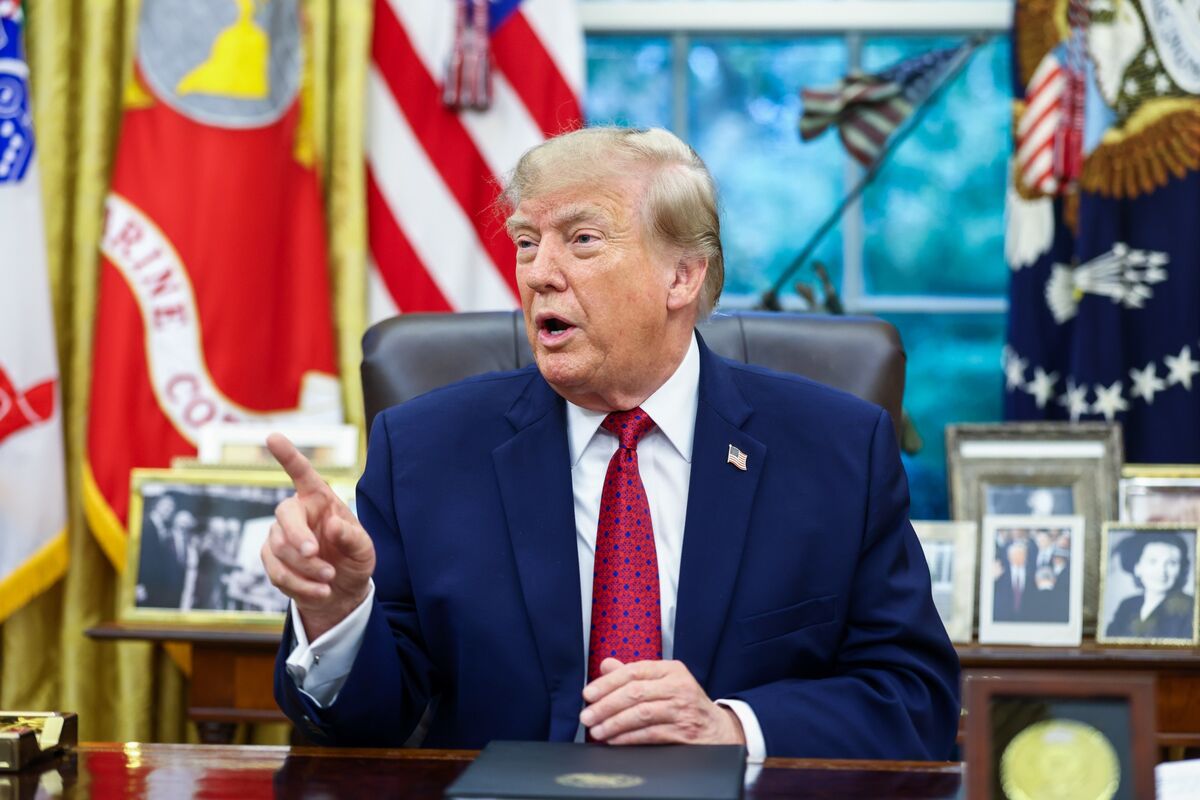
Efforts to end the US-Iran conflict may be nearing a breakthrough, with Tehran reportedly willing to discuss its nuclear program—an issue previously off the table. Negotiations had stalled after an interim peace deal agreed in June collapsed, and the extent of Iran’s nuclear activities since the conflict began remains unclear.
Analysis
The tradable channel is a possible reduction in the crude-risk premium—not yet a dependable forecast of additional barrels. A nuclear framework would still need verification, sanctions changes and an export ramp; each creates delay and reversal risk. If those steps become credible, front-end crude and implied volatility could reprice before physical flows change. Later, Iranian supply could pressure competing Atlantic and Middle East barrels, but an OPEC+ response could absorb much of the increase and cap the downside. A secondary effect would be lower regional shipping and insurance risk premiums; that is likely smaller and less durable than the crude reaction.
The near-term signal is fragile: the reporting does not establish what Tehran would concede or whether Washington would ease sanctions. Headline-driven oil weakness could therefore reverse quickly on stalled talks, verification concerns or renewed regional escalation. Over 1–3 months, watch for a published framework and concrete sanctions steps; over 6–18 months, monitor export volumes and OPEC+ compensation. Contrarian point: markets may price diplomatic optimism faster than supply can return, while treating all sanctions relief as durable. No high-conviction directional trade on this report alone.
AllMind Terminal
AI-powered research, real-time alerts, and portfolio analytics for institutional investors.
Request TrialMarket Sentiment
Overall Sentiment
mildly positive
Sentiment Score
0.30
Key Decisions for Investors
- Do not initiate an outright crude short on the headline. Treat it as an alert; confirm terms, sanctions implementation and export evidence before sizing exposure.
- If a credible framework and sanctions pathway emerge, consider a defined-risk bearish Brent put spread rather than a naked short. The thesis is near-term risk-premium compression; cap risk because negotiations can reverse abruptly.
- Track Brent prompt-versus-deferred spreads, oil options volatility, tanker/war-risk insurance pricing and verified Iranian export data. A fading prompt premium without physical-flow evidence would support a tactical trade, not a structural short.
- Falsify the bearish-oil thesis if talks stall or regional escalation lifts prompt crude and volatility, or if OPEC+ signals credible offsetting supply cuts. Reassess once actual sanctions relief and export volumes—not proposals—are observable.
More News
- Russia to UAE, Iran steps up diplomacy amid Trump threats: What we know
- FTSE 100 today: Stocks slump as global tech rout deepens
- Soaring freight rates give US refiners edge as crude discounts widen
- The Iran war has cost U.S. households nearly $2,000 each. New strikes could keep the bill climbing
- ‘Everyone knows why we lost,’ JD Vance points to the Iran war — which has already cost at least $38 billion and 19 American lives
- Democrat sweep gives markets a reason to rethink path of interest rates
From AllMind Research
- AllMind Platform Feature Updates - Fall 2026
- AI Credit Covenant Monitoring: From Clause to Review
- AI-Led Expert Interviews vs. Transcript Libraries
- State of M&A and Private Markets, June 2026: A $4.9 Trillion Rebound, Underwritten on Money That Never Got Cheaper
- Quartr Alternatives for Institutional Research Teams