
Nearly 6 in 10 Parents of A and B Students Say Their Child Struggled or Fell Behind This Year, National Survey Finds
Source: PR Newswire
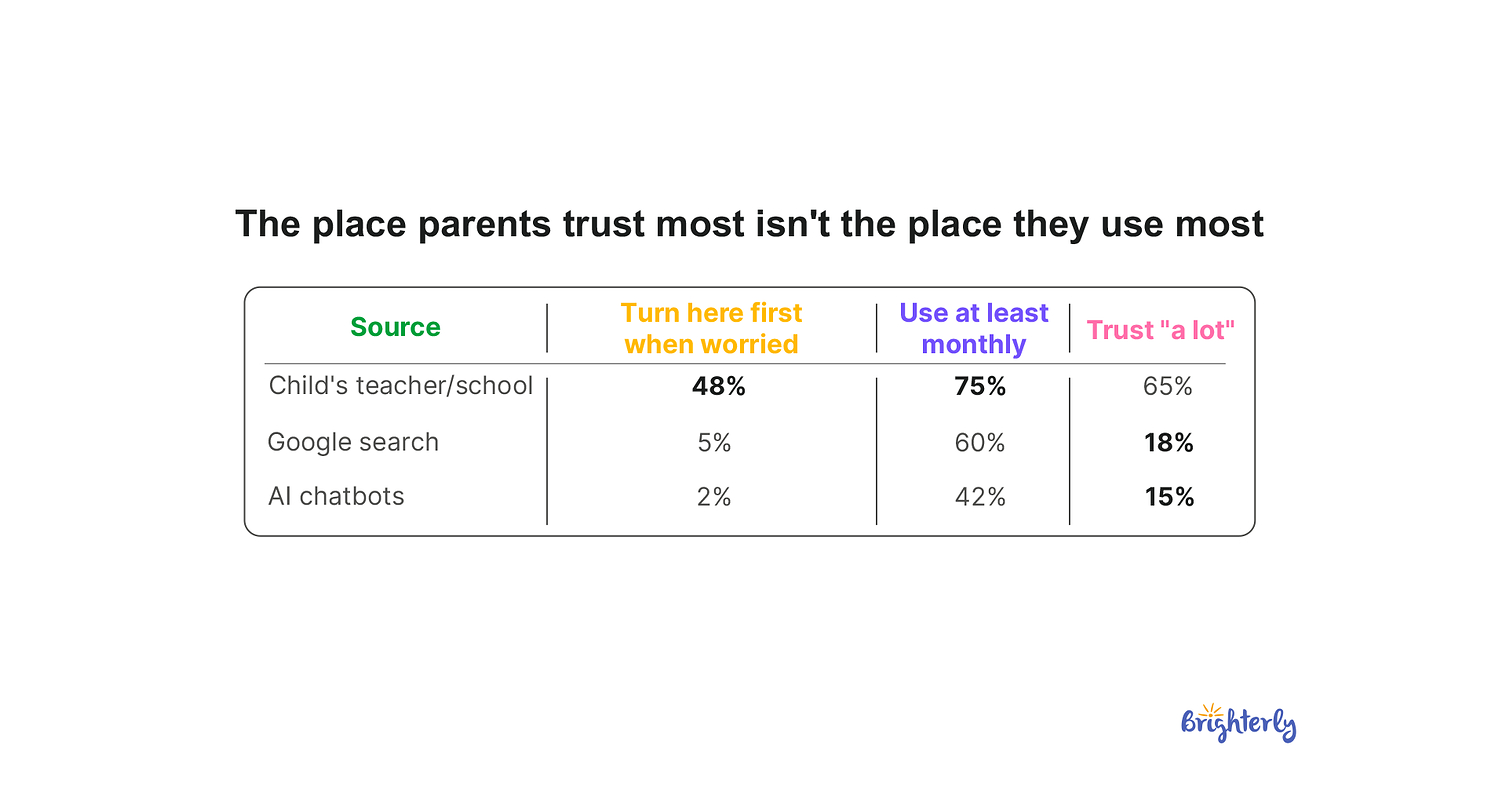
A Brighterly survey of 1,177 U.S. parents found that 58.6% of parents of mostly A/B students said their child struggled or fell behind in math or reading over the past year, nearly matching the 60.7% rate across all respondents. The findings follow PISA 2025 data showing U.S. 15-year-old reading scores fell 14 points from 2022 to 490, among the country’s weakest recorded results. More than half of parents said AI tools can help children conceal comprehension gaps, while math persistence lagged engagement in games or apps by 11.7 percentage points.
Analysis
This is not yet a tradable demand signal: the source is a private tutoring vendor, the sample is self-reported, and there is no evidence of incremental paid conversion, retention, or customer-acquisition economics. The more relevant mechanism is a widening gap between reported grades and independently demonstrated mastery, which can increase demand for diagnostics, assessment, and targeted remediation rather than broad content libraries. Pearson (PSO) is better positioned than consumer-learning apps if districts respond through formal intervention programs, while Instructure (INST) could benefit only if schools add assessment and workflow tools rather than standalone tutoring.
AI’s near-term effect on consumer edtech is ambiguous. It may create more perceived need for human tutoring, but free chatbot substitution and higher skepticism around homework completion can reduce willingness to pay for generic digital-practice products; that is unfavorable for businesses without measurable learning-outcome differentiation. Over 6-18 months, the likely institutional response is more proctored assessment, baseline diagnostics, and restrictions on unverified take-home work—supportive of assessment vendors, but not sufficient to underwrite a sector-wide revenue acceleration.
Contrarian view: consensus may overstate the immediate monetization opportunity from education anxiety. Families often first seek teacher-led remediation, and school budgets move on academic-year procurement cycles; a September concern signal is unlikely to translate into public-company revenue before spring booking periods. The thesis becomes actionable only if district intervention spending, tutoring utilization, or paid-conversion data accelerates independently of vendor surveys.
AllMind Terminal
AI-powered research, real-time alerts, and portfolio analytics for institutional investors.
Request TrialMarket Sentiment
Overall Sentiment
mildly negative
Sentiment Score
-0.30
Key Decisions for Investors
- No immediate sector position: treat this as a watch item rather than a catalyst, given weak source quality and no disclosed spend or conversion data.
- Place a 1-3 month alert on PSO for evidence of accelerating U.S. assessment/remediation bookings or raised education guidance; initiate only if bookings growth reaccelerates while margin guidance holds, as institutional demand would be more durable than consumer tutoring demand.
- Monitor INST quarterly commentary for incremental assessment, academic-integrity, or AI-governance module adoption. Avoid extrapolating a benefit unless net revenue retention or attach rates improve; otherwise the feature set is likely bundled with limited revenue impact.
- Avoid using this survey as a basis to buy consumer edtech or tutoring exposure. A long thesis requires independently verified growth in paid tutoring hours, CAC payback, and retention through the next school term; failure to show these metrics would falsify the demand-conversion case.
More News
- 'Hostile act': Trump threatens EU with tariffs over Canada associate-membership proposal
- Oil prices extend losses as fears of Middle East supply disruptions ease
- US official says upcoming spectrum auctions could generate more than $100 billion
- Investors react to Fed hike and market sell-off: Brace for 'higher for longer' rates
- Fed delivers its first hike in 3 years. Plus, what's moving Starbucks and GE Vernova
- Fed’s Warsh lays out forces driving up bond yields
From AllMind Research
- Anthropic IPO Preview: Valuation, Timing, and What to Watch
- Shein After the IPO: Venue, Valuation, and What Must Be Proved
- What AI Research Tools Should a Small Hedge Fund Buy First?
- Run Cost-Controlled Financial Research in AllMind Agent Studio
- State of Public Markets, June 2026: Higher for Longer Meets the AI Supercycle