
Britain Has a Renewable Energy Edge, as Europe Braces for Winter
Source: Bloomberg
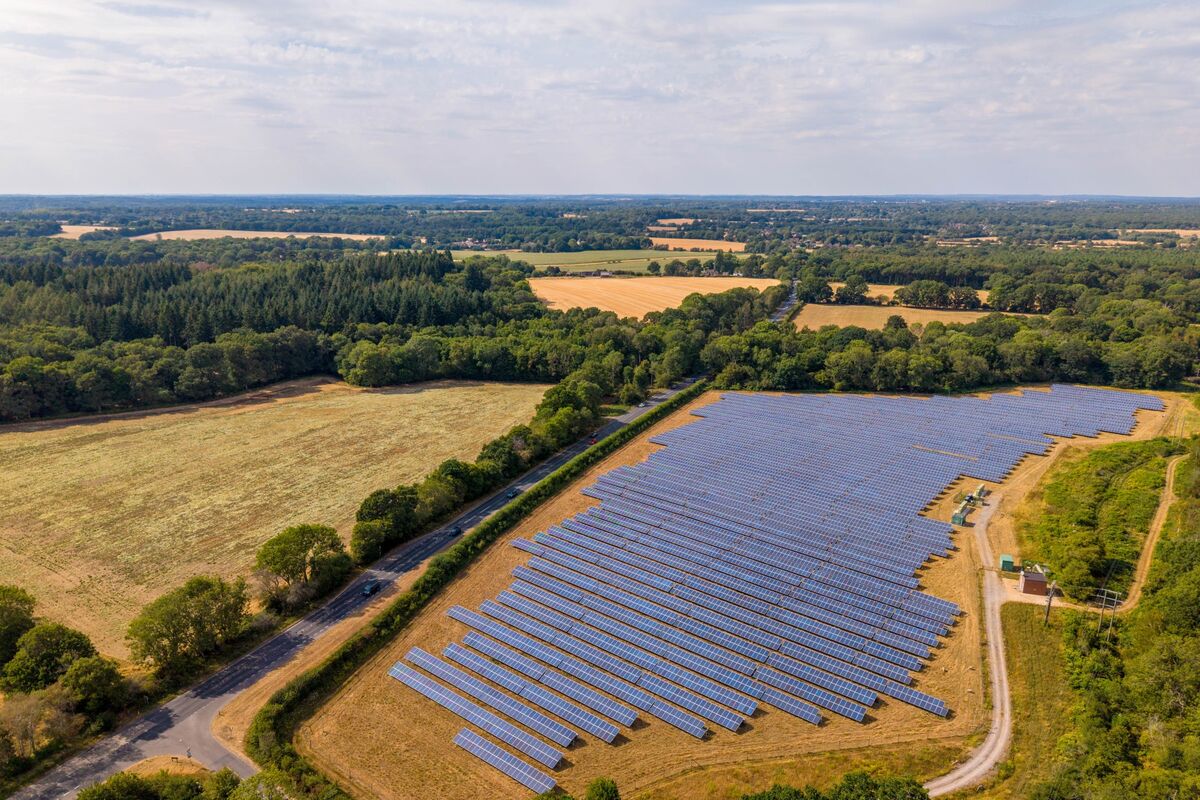
Britain is using more renewables and less energy per pound of economic output, while Kraft Heinz is using solar panels to reduce its exposure to energy-price swings. Continental Europe faces another costly winter: surging gas prices are benefiting its shrinking coal fleet, and two power suppliers are leaving the household market, forcing hundreds of thousands of customers to find new providers.
Analysis
The investable point is not that onsite solar makes KHC an energy winner; it may reduce volatility at selected facilities while leaving exposure to grid power, gas, packaging and freight. The earnings sensitivity depends on the share of production covered, project ownership or contract terms, and whether savings exceed capital and integration costs—none is established here. Treat the solar example as a resilience signal, not evidence of a material consolidated margin uplift.
Over the next 1–3 months, European gas-price spikes can improve dispatch economics for remaining coal plants, but that is a tactical benefit vulnerable to milder weather, gas-price reversal, and emissions or operating constraints. Household supplier exits may shift customers to incumbents, yet can also invite regulatory intervention; they are not, by themselves, evidence of durable sector profitability. Over 6–18 months, energy efficiency and onsite generation could widen cost differences between manufacturers, but only where project economics and operating coverage are disclosed.
The contrarian angle is that lower energy intensity improves resilience without eliminating price risk: markets may over-credit a single solar example, while underpricing the value of reduced volatility. The key falsifiers are a reversal in European gas prices, weak winter demand, or KHC disclosures showing immaterial generation coverage or no realized energy-cost benefit.
AllMind Terminal
AI-powered research, real-time alerts, and portfolio analytics for institutional investors.
Request TrialMarket Sentiment
Overall Sentiment
mixed
Sentiment Score
0.10
Ticker Sentiment
Key Decisions for Investors
- No immediate KHC trade on this evidence. Before changing exposure, verify in filings or earnings commentary the facilities covered, share of electricity supplied, ownership/PPA structure, capex, and realized savings; an isolated project may not move group earnings.
- Set an alert for European gas prices and winter weather forecasts. A sustained gas-price decline or mild winter weakens the near-term coal-generation windfall thesis; renewed price spikes increase pressure on energy-intensive European manufacturers and household affordability.
- Use KHC versus food peers such as GIS and CAG as a watchlist comparison, not a recommended pair: consider relative positioning only if disclosures show materially different energy-cost exposure and measurable savings. Reassess if KHC reports negligible coverage or revises energy-related cost guidance adversely.
- Do not infer durable returns for European power suppliers from customer transfers alone. Revisit only after identifying the exiting suppliers and seeing evidence that incumbents retain customers at profitable tariffs rather than face regulated transfers or margin compression.
More News
- The drumbeat to buy battered shares of CoreWeave is growing louder on Wall Street
- Alphabet stock analysis: stalled near 200-day average ahead of Q3 earnings
- Kimberly-Clark is having its best week in four years. Here's what is propelling shares higher
- For one grocery chain, the cost to ship lettuce now tops the lettuce itself, showing how high fuel prices are sinking their teeth across the economy
- Schwab to create 'tax-aware' strategy that's been attracting billions from wealthy investors
- After years of U.S. export bans, China plans its own: 40 AI, chip and solar technologies could be restricted
From AllMind Research
- Anthropic IPO Preview: Valuation, Timing, and What to Watch
- Shein After the IPO: Venue, Valuation, and What Must Be Proved
- What AI Research Tools Should a Small Hedge Fund Buy First?
- What Is an AI Investment Research Platform?
- What Exactly Does Post-Training in LLMs and Finance-Focused AI Actually Mean for Asset Managers?