
Chemours Launches Faizeon™ Two-Phase Liquid Cooling Solutions for AI Data Centers
Source: PR Newswire
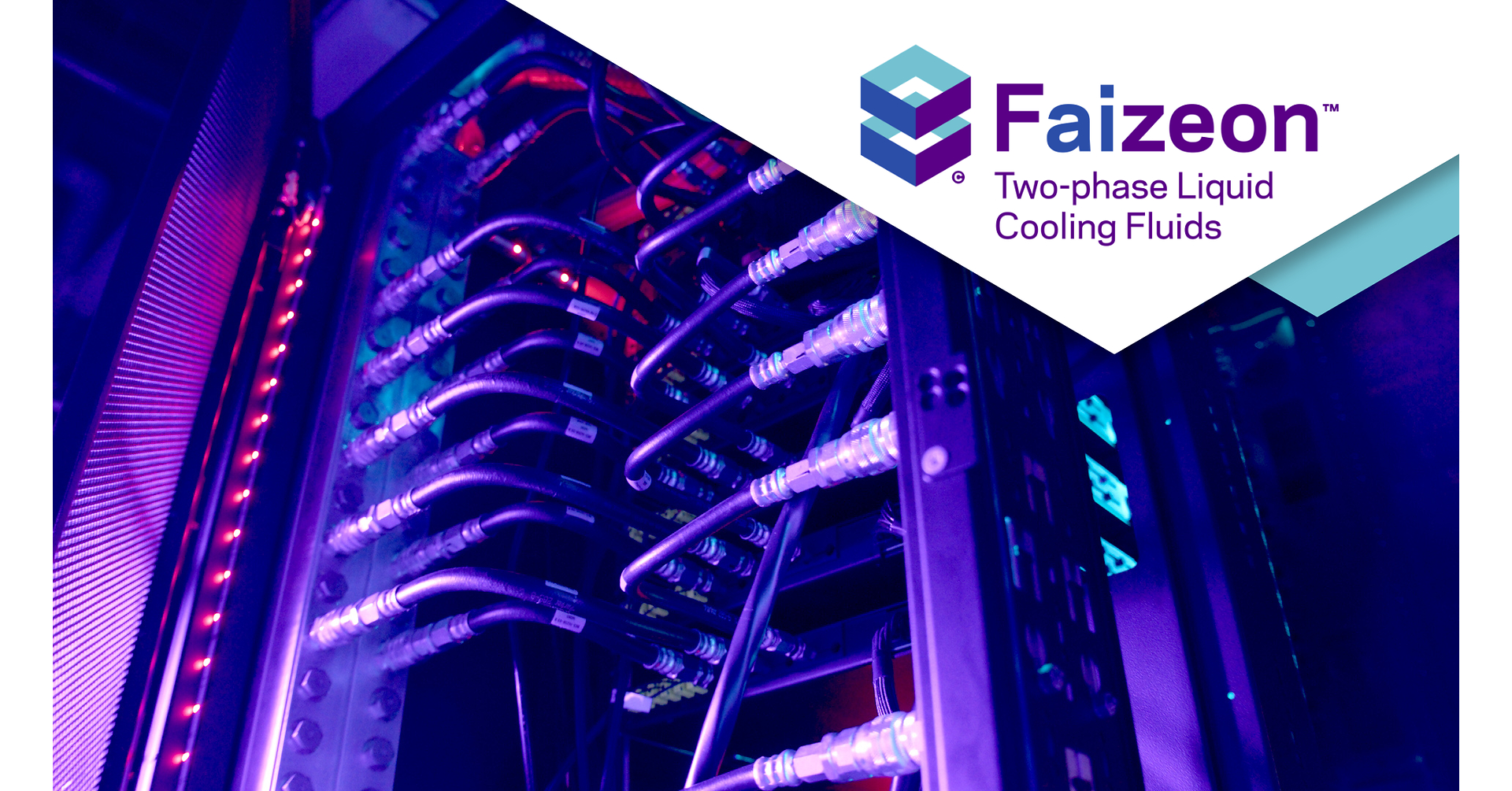
Chemours launched its Faizeon™ portfolio of two-phase direct-to-chip and immersion cooling fluids for AI, HPC, and high-density data centers. In third-party testing, a system using Faizeon™ 200 kept a GPU up to 19°C cooler than a single-phase, water-based fluid while using a lower coolant flow rate; Chemours says the systems can reduce cooling energy demand and nearly eliminate cooling-related water use, depending on design and operating conditions. The release provides no sales projections or financial guidance, so commercial impact remains uncertain.
Analysis
The strategic upside is less about a new fluid SKU than potential qualification-driven customer lock-in: once a fluid is validated against server materials, seals, service procedures and OEM warranties, switching costs may favor an incumbent supplier. But value capture is unproven. Cooling-system integrators and server OEMs control architecture decisions, and may multi-source fluids or retain leverage over pricing. The launch could also expand the addressable market for two-phase specialists such as Accelsius and ZutaCore; it is not automatically a displacement threat to all conventional data-center cooling vendors.
For Chemours, this is an option on AI infrastructure growth, not yet an earnings catalyst. The cited thermal result is a single system comparison; it does not establish fleet-level reliability, total cost of ownership, or commercial volumes. Water savings matter most in water-constrained locations; power efficiency and achievable rack density are more likely to drive broad adoption. Fluorinated-fluid regulation is a material adoption gate: verify each product’s composition and jurisdiction-specific status rather than equating zero ozone depletion potential with low climate or regulatory risk.
Near term, expect limited fundamental repricing absent customer orders or quantified revenue contribution. Over 1–3 months, watch OEM qualification, repeat deployments and customer economics. Over 6–18 months, adoption could support mix and growth, but commoditization, competing architectures and regulatory restrictions could cap returns. The thesis weakens if deployments stall, customers standardize on alternatives, or Chemours cannot demonstrate compliant supply and recovery at scale.
AllMind Terminal
AI-powered research, real-time alerts, and portfolio analytics for institutional investors.
Request TrialMarket Sentiment
Overall Sentiment
mildly positive
Sentiment Score
0.35
Ticker Sentiment
Key Decisions for Investors
- Do not chase the launch as a standalone CC catalyst. Treat it as strategic optionality until Chemours discloses commercial deployments, repeat orders, capacity plans or a measurable contribution to segment results.
- Set an adoption alert around OEM/server qualification and customer-reported total-cost-of-ownership data. A small, staged long in CC becomes more defensible only after evidence of repeat deployments and favorable fluid economics; avoid assigning value from the temperature test alone.
- Before underwriting the product pipeline, verify product-specific composition, regulatory exposure by major market, recovery/reuse performance and supply capacity. Any restriction, delayed qualification or inability to scale compliant recovery would falsify the adoption case.
- Monitor whether system partners capture most of the economics. If data-center deployments accelerate but Chemours reports no volume or pricing traction, the cooling theme may benefit integrators more than CC; reassess rather than extrapolating AI capex directly into Chemours earnings.
More News
- Marvell to buy Lumentum in $115 billion deal in AI data-center bet
- Marvell, Lumentum tout historic $115B deal to create ‘category leader' in AI connectivity
- Palantir reports booming U.S. commercial revenue growth, topping government for first time
- Anthropic releases amended IPO prospectus with third-quarter financials
- Coinbase has been battered over the past month. Morgan Stanley says steer clear
- The AI boom is facing another supply crunch. This time it’s the amount of capital available to feed Silicon Valley’s endless need for cash