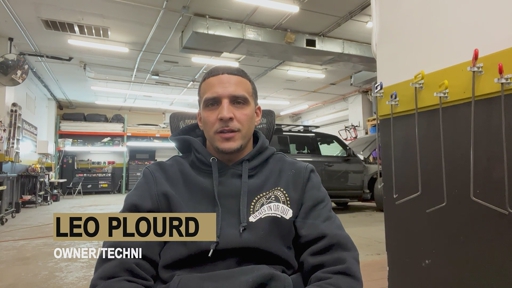
The article argues paintless dent repair (PDR) can be cheaper than traditional body work for minor dents/door dings by avoiding sanding, primer, repainting, and paint blending, which lowers both labor hours and materials costs. It also claims PDR is faster—often same-day versus days for conventional work—potentially reducing rental/alternate-transport costs, with limitations when dents are deep, cracked the paint, or are at certain panel edges. Overall, PDR is positioned as a cost- and time-efficient option that may reduce the likelihood of filing insurance claims for small damage.
This is a micro severity story, not a top-line growth catalyst. If PDR adoption keeps displacing low-complexity body work, the first-order winner is personal auto insurers: lower repair severity, shorter rental-car duration, and less supplement leakage should help combined ratios more than it moves premium growth. The effect is real but incremental; I would not model it as a major P&L driver until we see a sustained shift in claim severity data over 1-2 quarters.
The more interesting second-order effect is on the collision ecosystem. Traditional body shops and refinish-material suppliers lose the easiest jobs first, which can leave them with a worse mix of complex repairs, lower throughput, and more volatile labor utilization. That creates a subtle margin pressure on the supply chain even if unit volumes look stable. On the other side, lease-heavy finance books and fleet operators can benefit from better residual values and lower turn-in reconditioning costs over 6-18 months, especially if the preserved factory finish translates into higher resale values.
The contrarian point is that the addressable market may be smaller than the narrative implies. PDR is constrained by access, paint integrity, edge damage, and technician availability, so penetration is likely to plateau at the easy end of the book. In practice, the trade only matters if insurers start documenting lower average severity and faster cycle times; absent that, this is a watch item rather than a conviction idea. Falsifiers are simple: no improvement in auto loss ratios, no decline in rental days, or no commentary from insurers on PDR-driven severity relief in the next earnings season.
AI-powered research, real-time alerts, and portfolio analytics for institutional investors.
Request TrialOverall Sentiment
mildly positive
Sentiment Score
0.18
