
HUAWEI WATCH D3 debiutuje na Kongresie ESC 2026. Nowa era monitorowania ciśnienia tętniczego za pomocą pomiarów na nadgarstku
Source: PR Newswire
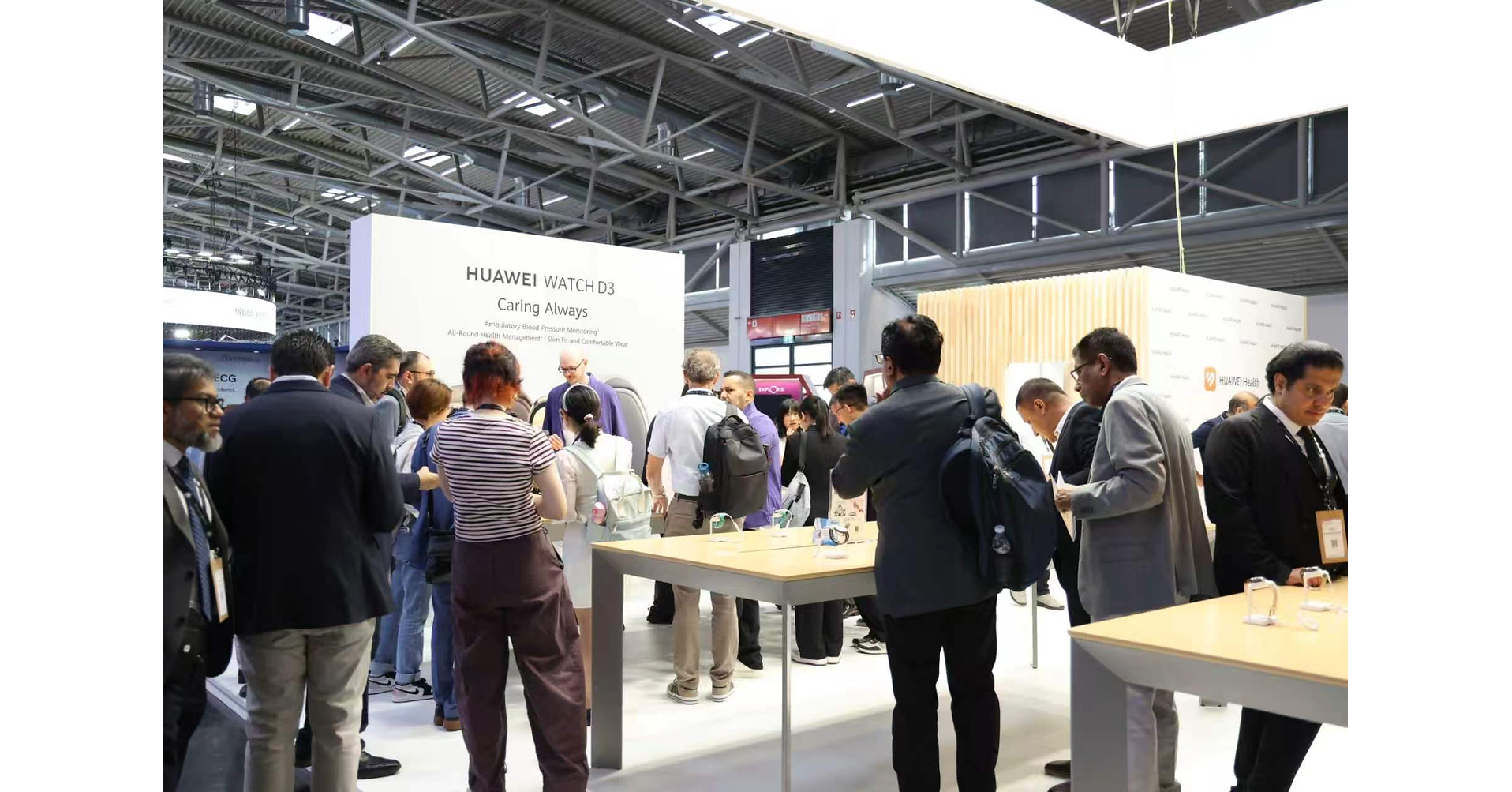
Huawei previewuje HUAWEI WATCH D3 podczas ESC 2026 w Monachium, a oficjalna premiera ma nastąpić 2 września. Smartwatch ma ulepszyć całodobowe ambulatoryjne monitorowanie ciśnienia tętniczego, w tym pomiary przed i po wysiłku oraz dodatkowe przypomnienia (m.in. warunki wysokogórskie i nagłe zmiany temperatury). Urządzenie uzyskało certyfikat CE MDR w UE obejmujący m.in. pojedyncze pomiary i ambulatoryjne monitorowanie, przy czym cena i pełna specyfikacja będą podane w oficjalnych kanałach.
Analysis
This is primarily a category-validation event, not a near-term earnings event. The market mechanism is that wrist-based BP monitoring lowers the friction of daily compliance, which expands the addressable market for consumer-led hypertension tracking but does not automatically convert to durable revenue unless it drives recurring services, device replacement cycles, or reimbursement-backed adoption. The first listed names to feel pressure are cuff-based home BP incumbents such as OMRON (6645.T), where the risk is gradual substitution at the low end rather than an overnight demand shock.
The more interesting second-order effect is competitive normalization: once one large hardware ecosystem proves that medical-grade BP on a watch can clear European regulatory hurdles, it raises the bar for Apple and Samsung wearables to match the feature set. That shifts competition from pure hardware aesthetics toward health-data credibility, software retention, and longitudinal analytics; the winners are whoever can monetize the data layer, not just ship the sensor. In the next 1-3 months, the key catalyst is launch pricing and whether Huawei pairs the device with a sticky app/service offering; without that, this remains a headline-driven product cycle.
Contrarianly, consensus may be overestimating substitution. Wrist BP is most compelling in edge cases where cuffs are inconvenient, but cuff devices remain the reference standard and physician trust will lag consumer enthusiasm. Over 6-18 months, the base case is category expansion rather than destruction; the thesis breaks if usage stays novelty-level or if follow-up clinical data shows poor adherence/accuracy in real-world conditions.
AllMind Terminal
AI-powered research, real-time alerts, and portfolio analytics for institutional investors.
Request TrialMarket Sentiment
Overall Sentiment
mildly positive
Sentiment Score
0.10
Key Decisions for Investors
- No immediate short in AAPL or broad wearables: wait for post-launch pricing, availability, and any service bundle before expressing a view; current signal is too small to justify paying spread costs.
- Initiate a small tactical short in OMRON (6645.T) on any strength over the next 1-2 weeks if the market starts pricing wrist-BP substitution into home monitoring volumes; target a 6-12 month horizon with ~2:1 upside if growth expectations reset.
- Use a conditional pair trade: short OMRON (6645.T) vs long XLV only if upcoming channel checks show Huawei/Samsung/Apple feature parity accelerating consumer adoption; this isolates BP-monitor displacement from broader healthcare beta.
- Set an alert on Huawei launch pricing and EU rollout timing: if the device lands at a premium ASP with limited country support, the substitution thesis weakens materially and the short should be covered.
- If Apple announces native BP monitoring in the next product cycle, re-evaluate the entire wearable-health basket; that would validate the category and likely shift the best trade from device incumbents to data/software winners.
More News
- CoreWeave credit default swaps hit distress levels as investors sour on AI debt
- Penske Automotive agrees to be taken private by Penske, Mitsui
- Supermicro promised a new CFO in December 2024. A $2.5 billion smuggling case and a co-founder’s arrest later, it has one
- Blackstone President Jon Gray Bets Big on AI Boom
- What's behind the sell-off in AI neocloud stocks like CoreWeave and Nebius
- Giant Taiwanese chipmaker TSMC confirms it’s in talks with Elon Musk to join ‘Terafab’ complex in Texas: ‘The AI market continues to be very strong’
From AllMind Research
- Anthropic IPO Preview: Valuation, Timing, and What to Watch
- Shein After the IPO: Venue, Valuation, and What Must Be Proved
- What AI Research Tools Should a Small Hedge Fund Buy First?
- AI in Asset Management: 2026 Statistics That Hold Up
- What is Broker Research and RMS Systems (And How to Actually Use Them)