
Oil Supertankers Reportedly Struck by Projectiles in Hormuz
Source: youtube.com
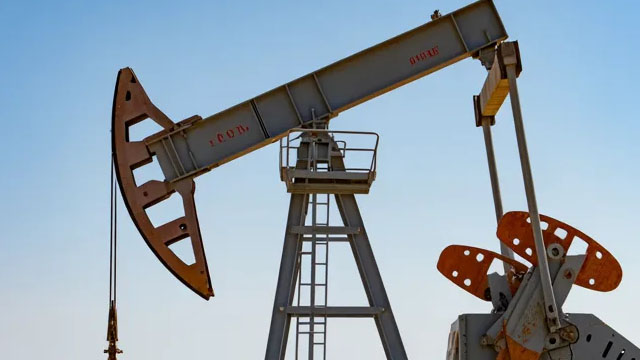
Two oil supertankers were hit by projectiles while trying to exit the Strait of Hormuz, raising near-term disruption risk to global oil flows. Iran also signaled it will take "reciprocal action immediately" if the US does not return to its June Memorandum of Understanding commitments, further increasing geopolitical and supply-risk premia for energy markets.
Analysis
The immediate beneficiary set is broader than just crude: anything tied to the marginal barrel or the risk premium should outperform first, while fuel-intensive sectors are exposed to a delayed squeeze as insurers, freight, and prompt physical differentials reprice. The higher-probability second-order winner is not the integrated majors, but the logistics layer around seaborne oil — tanker owners and anyone with exposure to spot vessel rates and war-risk premia — because their earnings leverage can expand even if outright crude only holds elevated for a few weeks.
The losers are the sectors that cannot pass through higher input costs quickly: airlines, trucking, chemicals, and import-heavy consumer names. The key distinction is timing: the first move is a portfolio de-risking event over days, but the real earnings impact only shows up over 1-3 months if the disruption lifts delivered energy costs or forces longer routing. If traffic through the Strait normalizes quickly, the market may treat this as a headline spike rather than a structural supply shock.
The contrarian view is that this may be a volatility event, not a lasting shortage. Unless there is repeat damage, a sustained insurance repricing, or evidence of diverted barrels failing to reach market, the risk premium can decay fast; that would hurt late buyers of crude beta and favor fading the move in high-beta energy once the first spike exhausts itself. The falsifier for the bullish energy thesis is a swift retracement in front-month crude and a lack of follow-through in tanker rates within the next 1-2 weeks.
AllMind Terminal
AI-powered research, real-time alerts, and portfolio analytics for institutional investors.
Request TrialMarket Sentiment
Overall Sentiment
moderately negative
Sentiment Score
-0.45
Key Decisions for Investors
- Buy XLE on a pullback over the next 1-3 sessions; use a tight stop if front-month crude retraces back toward pre-incident levels. Best risk/reward is for a 2-6 week trade on a sustained geopolitical premium rather than a permanent supply shock.
- Pair long tanker exposure (FRO, STNG, INSW) vs short JETS for 1-3 months. The trade works if war-risk insurance and spot freight stay elevated even after crude stabilizes; invalidate if tanker rates fail to move within 5-10 trading days.
- Use USO call spreads or a short-dated call overlay for a tactical 1-4 week expression of upside skew, but size modestly. This is a headline-risk trade, not a conviction structural long unless physical disruptions widen.
- Avoid chasing airlines and transport shorts immediately after the first gap-down; wait for confirmation from jet-fuel cracks and fuel surcharge guidance. If crude spikes but cracks do not widen, the equity selloff may reverse quickly.
More News
- ‘I told you so’: China’s chip sector is making breakthroughs—and U.S. export controls are the reasons why
- UK's Healey Plans to Raise Bank Taxes
- One Singapore ship was sunk, but here's why others are still transiting the Strait of Hormuz
- Treasuries Soar as Tech Slump Threatens Growth
- Order to limit Starshield for Ukraine came from inside White House: Reuters reports
- EU Seeks New Trade Powers to Cut Trade Deficit