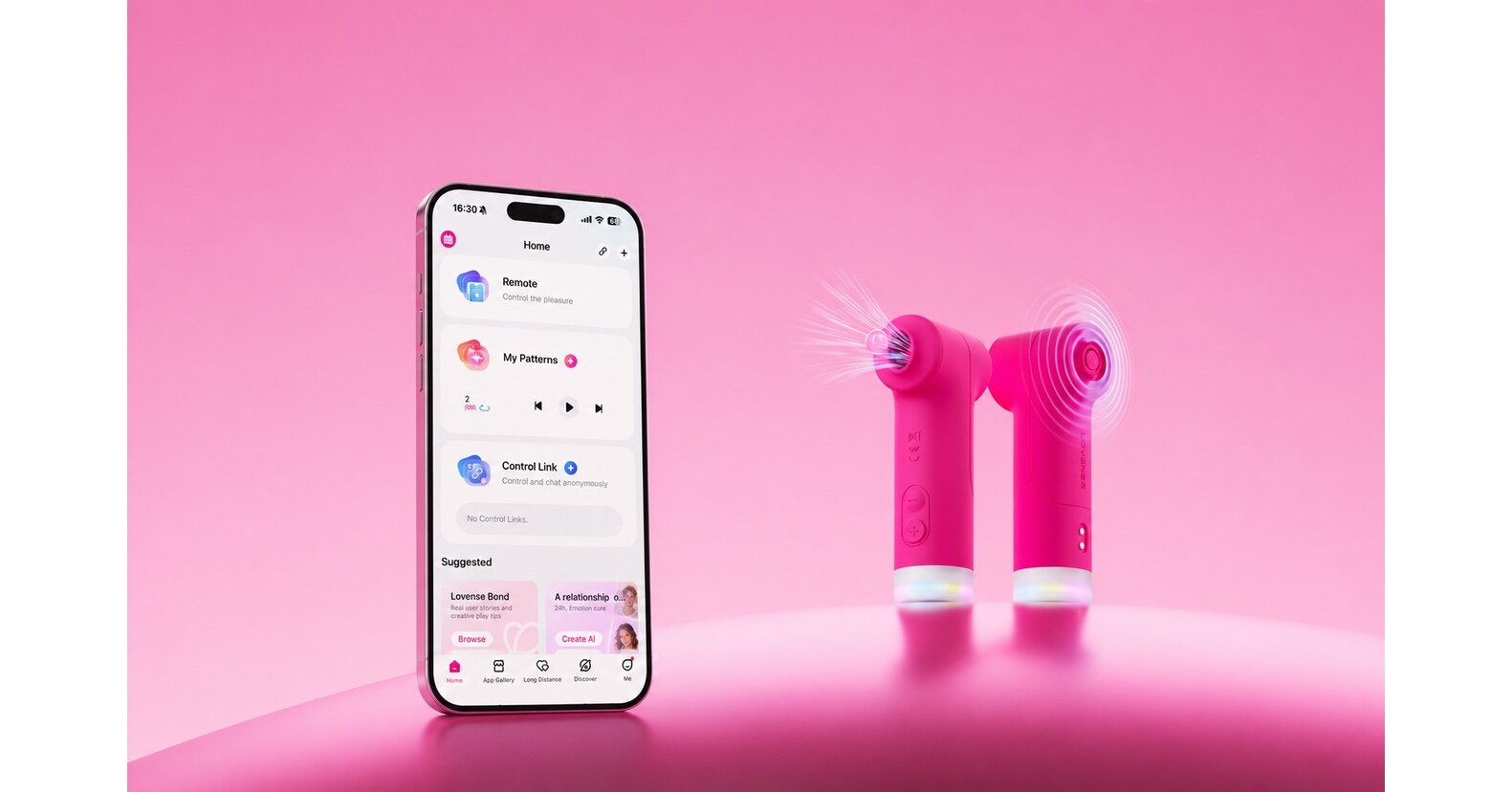
Lovense launched Fizz, a dual-head app-programmable clitoral stimulator, priced at $129 and available globally starting July 20, 2026. The device delivers two distinct controllable sensation modes—air-pulse suction and rhythmic tapping—integrated into Lovense’s connected app ecosystem. The article frames this as a response to rising demand for more varied, user-directed sexual wellness experiences, but with limited evidence of near-term financial impact beyond the product rollout.
The investable signal is less about the product and more about whether a niche brand can convert novelty into recurring usage. The real winner, if this category scales, is the operator with an app ecosystem and first-party data that can lift repeat purchase rates and support higher gross margins; commodity one-feature devices are vulnerable to ASP compression and faster imitation.
The main second-order risk is distribution friction. Sexual-wellness brands still face platform, payment, and ad-targeting constraints, so customer acquisition can spike just as hype peaks; that makes launch-week demand a poor proxy for durable economics. The first real test is 60-120 days out: web traffic, review quality, repeat-device attach, and whether the product expands basket size or merely cannibalizes existing SKUs.
Contrarian view: the market may be overestimating TAM expansion and underestimating mix shift. Much of the upside may be substitution within a capped category rather than a true step-up in total spend, which means the beneficiaries are likely the best-distributed DTC brands and marketplaces, not necessarily the loudest launch. Falsifiers are simple: weak sell-through, falling search interest, app-store/payment restrictions, or a reversal in category growth once the novelty window closes.
AI-powered research, real-time alerts, and portfolio analytics for institutional investors.
Overall Sentiment
mildly positive
Sentiment Score
0.35
Ticker Sentiment
