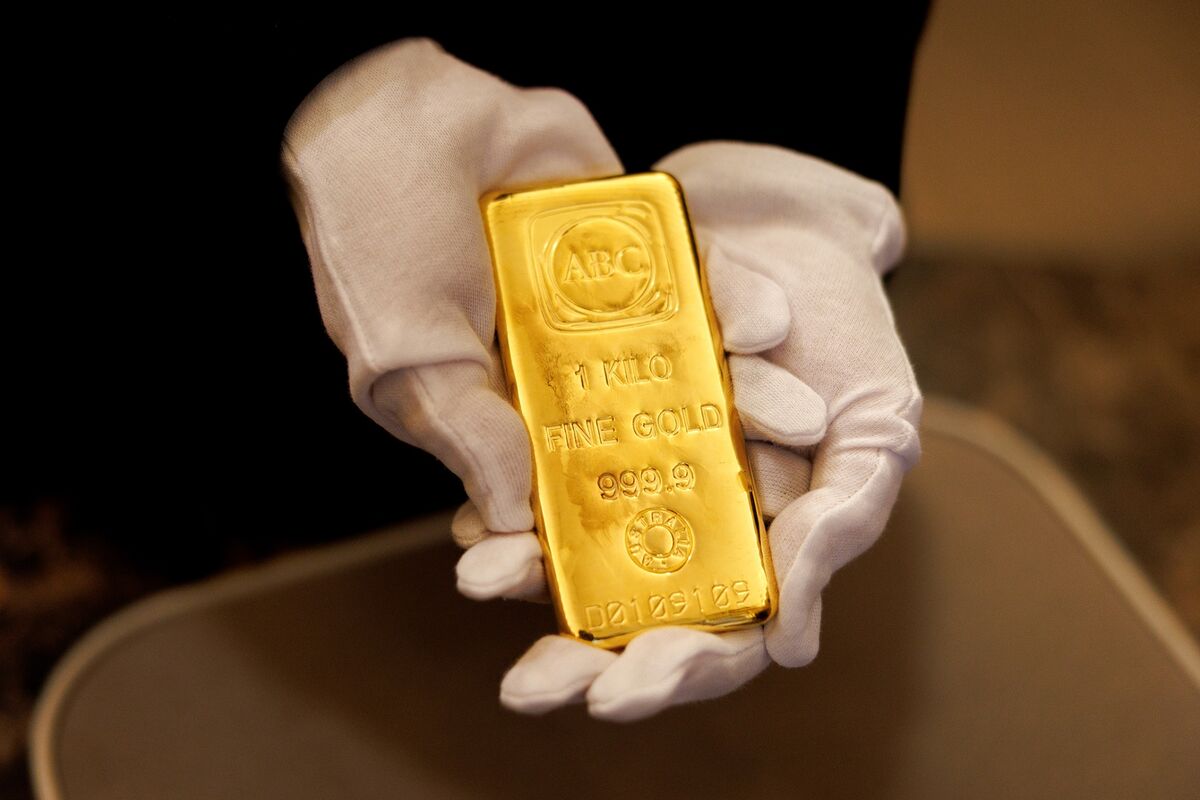
Gold was steady in a tight range around $4,000/oz after ending the prior session down 0.2%, as traders watched Middle East developments for inflation implications. Oil was little changed after two days of gains despite fresh US strikes on Iranian targets, with Trump saying Tehran “will pay” after the killing of three US soldiers. Net effect is a cautious, uncertainty-driven commodity setup rather than a clear directional catalyst.
The market is still pricing this as a headline-driven risk event, not a durable supply shock. That matters because the first round of inflation repricing usually comes through expectations and term premia, while the actual CPI/PCE impulse only shows up if there is a sustained move in refined products, shipping insurance, or a chokepoint disruption. In other words, the immediate beneficiaries are volatility sellers and energy hedges, not necessarily outright commodity longs.
The clearest second-order winners are upstream energy names and oil services if the conflict keeps a risk premium in crude for weeks; the losers are fuel-sensitive transport, airlines, and industrials with weak pricing power. Gold at these levels is acting more like a geopolitical barometer than a clean macro trade: it can catch a tail-risk bid, but high real rates cap the follow-through unless the conflict bleeds into growth expectations or central banks pivot.
The consensus may be overestimating how fast this becomes inflationary. Historically, the real transmission channel is a lag: freight rates, crack spreads, and consumer energy expectations move first; headline CPI follows only if physical supply is impaired. The key falsifier is simple: if crude cannot hold a breakout and tanker/shipping data stay clean over the next 1-3 weeks, the premium should fade quickly, making long-vol and outright commodity exposure vulnerable over a 1-3 month horizon.
AI-powered research, real-time alerts, and portfolio analytics for institutional investors.
Overall Sentiment
neutral
Sentiment Score
-0.05
