
Aramco Tower in Riyadh’s Financial Hub Damaged After Attack
Source: Bloomberg
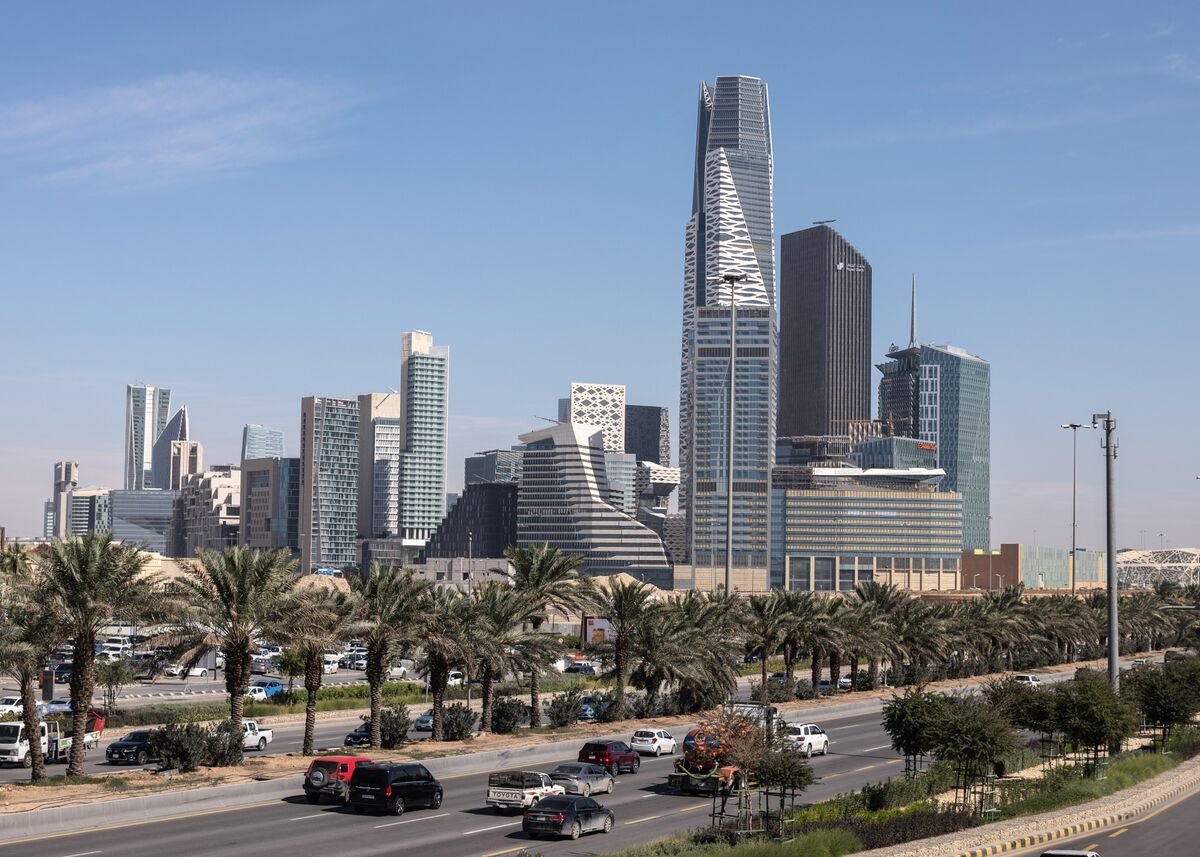
Saudi Aramco said its administrative building in Riyadh sustained limited damage from debris after an attempted attack on Sunday, according to the state-run Saudi Press Agency. No injuries or deaths were reported; the article provides no indication of damage to oil production or exports.
Analysis
The market-relevant question is whether this remains a symbolic/security incident or raises the probability of disruption to producing, processing, or export infrastructure. Damage to an administrative site alone does not establish any change in Aramco’s output or export capacity, so a durable earnings or valuation revision is not yet supported. The immediate risk is a short-lived geopolitical premium in crude and regional risk assets; the second-order exposure is higher insurance and security costs if incidents become recurrent, with spillovers to shipping and air travel if threats broaden geographically.
Over days, crude may react more to escalation headlines than to this incident’s direct supply impact. Over 1–3 months, the key catalysts are evidence of repeated attacks, a change in target set, or disruption to energy logistics; over 6–18 months, persistent threat elevation could weigh on investment confidence and raise the cost of protecting regional infrastructure. The contrarian point: the headline can overstate near-term supply risk, but markets may underprice the tail if future attacks reach operational assets. No company-specific financial impact can be inferred from the available facts.
AllMind Terminal
AI-powered research, real-time alerts, and portfolio analytics for institutional investors.
Request TrialMarket Sentiment
Overall Sentiment
mildly negative
Sentiment Score
-0.20
Key Decisions for Investors
- No directional equity trade on this incident alone. Avoid treating limited damage to an administrative building as evidence of lost production or export capacity.
- For a tactical hedge, consider modest, defined-risk upside exposure to crude only if escalation indicators emerge; avoid chasing an initial headline spike. Reassess if crude gives back the risk premium without any operational disruption.
- Monitor verified reports on production, processing and export operations, shipping/insurance conditions, and the geographic scope of subsequent attacks. These are the data points needed to distinguish a security headline from a supply shock.
- Falsification: no further incidents or operational/logistics disruption and a fading crude risk premium over coming weeks would argue against a sustained geopolitical trade; confirmed damage to energy infrastructure or export flows would invalidate the benign-impact case.
More News
- US launches task force to disrupt Iran’s land-based supply routes
- Saudi Aramco building in Riyadh damaged after attempted attack
- Qeshm island and Hormuz hit, as mediators try to prevent US-Iran escalation
- Risk of Iran war escalation remains high despite Democratic sweep in U.S. midterm elections
- Iran’s IRGC says building underground sites for weapons production, storage
- Saudi Arabia intercepts Houthi missiles targeting Riyadh, Eastern province