
Geely Farizon představuje na veletrhu IAA Transportation 2026 kompletní řadu elektrických užitkových vozidel
Source: PR Newswire
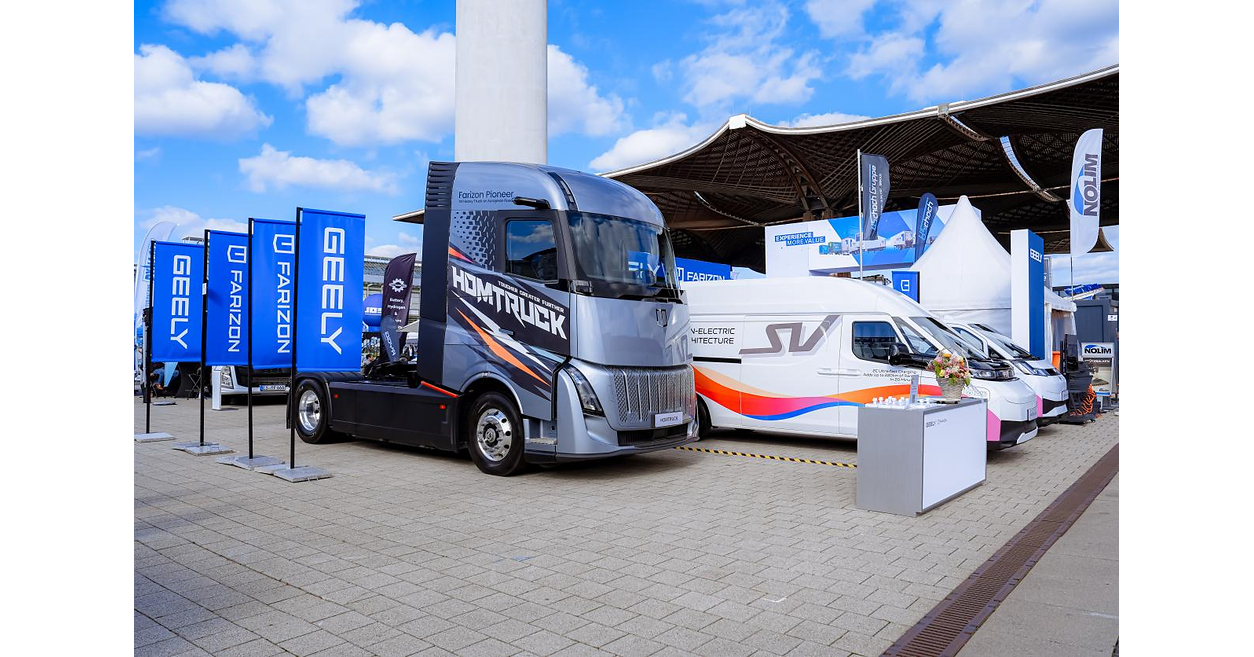
Geely Farizon debuted its European electric commercial-vehicle portfolio at IAA Transportation 2026, including the Farizon SV and V7E vans and the zero-emission heavy-duty Homtruck. The company expanded distribution to 28 European countries after launching the SV and V7E in Germany and France in April 2026, supported by a German parts warehouse promising delivery within one to six business days. The SV has earned a five-star Euro NCAP rating, while the forthcoming MY27 version will add upgraded battery and motor performance plus all-wheel drive.
Analysis
The investable implication is incremental price and utilization pressure in European electric vans, not a near-term volume shock. STLA, RNO and F are most exposed where fleet tenders are increasingly decided on monthly lease cost, uptime guarantees and residual-value support rather than headline vehicle price; a lower-cost entrant can force higher incentive spend before it wins material share. Suppliers with European content and service exposure—such as VLVLY, DTG and TRATON—are less vulnerable in the near term because heavy-duty fleet purchasing remains constrained by charging access, financing and demonstrated service reliability.
The key second-order risk is residual values. If Chinese OEMs subsidize fleet leases or aggressively price replacement parts, incumbent captive-finance arms may need to raise residual-value assumptions less aggressively or increase lease provisions, creating an earnings drag disproportionate to unit-share losses over the next 12-24 months. Conversely, an immature used-vehicle market, weak independent repair coverage or parts-fill-rate misses would quickly make low-TCO claims non-credible and push buyers back toward established OEMs.
This is a low-conviction, 1-3 month trading signal because the announcement is company-sourced and lacks order, pricing, dealer-throughput and financing data. The more material catalyst window is the next European fleet-tender cycle and 2027 guidance: evidence of price cuts, rising incentives or captive-finance reserve changes at STLA/RNO would validate competitive disruption. A tightening of EU trade measures, an adverse tariff determination, or evidence that Chinese imports require materially higher service/warranty spending would falsify the bearish incumbent-margin thesis.
AllMind Terminal
AI-powered research, real-time alerts, and portfolio analytics for institutional investors.
Request TrialMarket Sentiment
Overall Sentiment
mildly positive
Sentiment Score
0.38
Key Decisions for Investors
- Maintain a watch, not a directional position, on STLA and RNO into the next earnings cycle; initiate a tactical short only if European commercial-vehicle pricing/incentives deteriorate or captive-finance residual-value provisions rise. Target 8-12% downside on an earnings-reset scenario; cover if management holds van margins and incentive intensity stable.
- For a 6-18 month relative-value expression, consider long TRATON or DTG versus short STLA only after confirming tender losses or discounting in European eLCVs. The pair isolates the light-commercial pricing risk from broader European auto demand; invalidate if Chinese entrants demonstrate meaningful heavy-truck share or European charging deployment accelerates faster than expected.
- Set alerts for EU tariff/trade-policy decisions affecting Chinese-built commercial BEVs, European registration data by van brand, and fleet-leasing residual-value disclosures. These are the missing variables required before underwriting a broader short in European OEMs or a long in Geely Auto (0175 HK).
More News
- Trump signs sweeping Russia sanctions over Ukraine war
- Saudi Oil Cuts Tied to War Hit Europe: Evening Briefing Americas
- Houthis accuse Saudi Arabia of launching 26 strikes in 24 hours
- Stocks face a key hurdle in next week’s U.S.-China summit. Here’s what’s at stake
- European Economies Eye Another Energy Crisis Heading Into Winter
- European Oil Supply Pressure Mounts After Saudi Cuts