
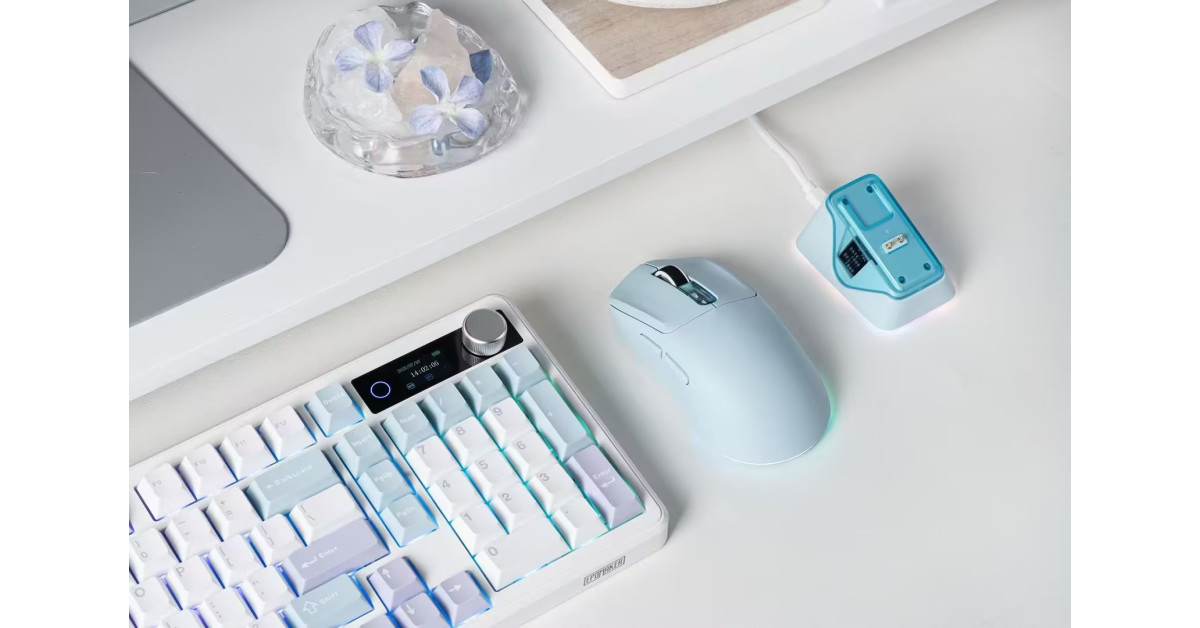
Epomaker launched the Nex Lite mouse, positioning it as an ergonomic, low-power option with the PAW3311 sensor and tri-mode connectivity (wired, 2.4GHz, Bluetooth). Key features include rapid-fire and adjustable debounce plus six DPI levels, with status shown via integrated displays on the mouse and 2.4GHz receiver dock. The product is priced at $32.39 and is available via Epomaker’s website, Amazon, and AliExpress, with limited expected impact beyond consumer electronics demand.
This is a platform-level micro-signal, not a company-level catalyst. For AMZN, the economic takeaway is that another low-AOV, high-velocity accessory SKU deepens long-tail selection and can modestly improve search monetization and Prime attachment, but the direct contribution to retail profit is de minimis. The more important mechanism is marketplace fee capture: Amazon benefits from being the default distribution rail for commoditized hardware, even when the branded economics sit with the seller.
The second-order effect is competitive pressure on entry-level peripherals players such as LOGI, where features that used to support a brand premium are being normalized at sub-$35 price points. That can compress pricing in the 25-50 dollar tier and shift share toward marketplace-native or private-label offerings over the next 1-3 quarters. The flip side is that low-end electronics also tend to carry elevated return and defect risk, so the platform can win on gross merchandise volume while still absorbing hidden fulfillment and service costs.
There is no clean standalone trade here on the news itself. The relevant catalyst path is the next 1-2 earnings prints: watch hardlines growth, third-party services take rate, ad attach, and return-rate commentary. The thesis is falsified if Amazon shows no improvement in marketplace monetization while electronics mix keeps dragging margins, or if consumer spending weakens enough that low-ticket gadget demand rolls over.
Contrarian view: the market may be overreading "product launches on Amazon" as proof of incremental demand. In reality, more commodity listings often mean more selection, not more profit, and the economics accrue to distribution, not the brand. This is a breadth/engagement story for AMZN, not an earnings story.
AI-powered research, real-time alerts, and portfolio analytics for institutional investors.
Request TrialOverall Sentiment
mildly positive
Sentiment Score
0.12
Ticker Sentiment
