
TruLife Distribution Completes 37 Buyer Meetings at ECRM, Accelerating U.S. Retail Strategy for Emerging and International Wellness Brands
Source: PR Newswire
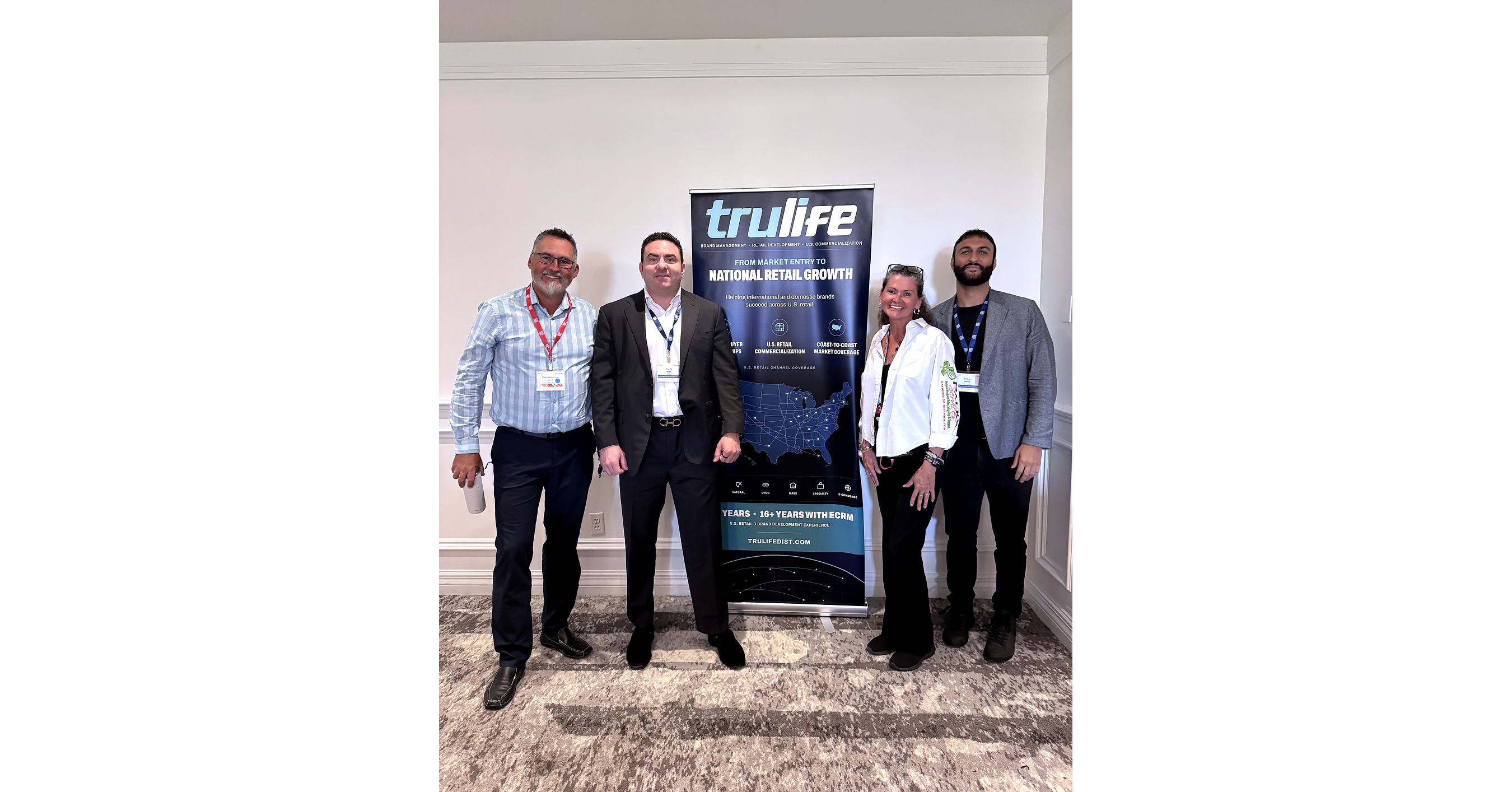
TruLife Distribution completed 37 buyer meetings at the Sept. 14–17 ECRM Vitamin, Weight Management & Sports Nutrition Session, generating follow-up opportunities across retail, pharmacy, grocery, e-commerce, distribution and private-label channels. The company said discussions produced product-evaluation, pricing, margin, supply-chain and marketplace feedback to guide U.S. commercialization strategies for emerging and international wellness brands. No retail listings, contracts, revenue figures or financial commitments were announced, limiting near-term market significance.
Analysis
This is not investable information for AMZN at the current level of disclosure. Buyer meetings and follow-up discussions are a weak leading indicator: conversion into authorized SKUs, initial purchase orders, reorder rates and funded marketing commitments typically determines whether emerging wellness brands become meaningful marketplace or retail revenue. The event marginally reinforces the pipeline of third-party sellers and brands seeking U.S. distribution, but that supply is already abundant and immaterial to Amazon’s consolidated growth or margin outlook.
The more relevant second-order read is category economics. Retail buyers’ emphasis on margin, compliance and execution favors scaled platforms with fulfillment, advertising and consumer-acquisition infrastructure; AMZN can benefit if brands defer costly physical-store launches and prioritize Marketplace/FBA and sponsored ads. Conversely, a successful push of international wellness brands into U.S. brick-and-mortar channels could modestly increase competitive assortment at WMT, TGT, CVS and specialty retailers, but the effect is too diffuse to support a position without identifiable brands, expected distribution doors or category sell-through data.
Over the next 1-3 months, monitor whether any represented brands disclose Amazon launch plans, FBA adoption, meaningful ad budgets, or retailer authorizations. A broader 6-18 month implication would require evidence that regulatory-ready international supplements are taking share in high-growth wellness subcategories; regulatory enforcement, unfavorable unit economics after marketplace fees, or weak repeat purchase would quickly invalidate the commercialization narrative.
AllMind Terminal
AI-powered research, real-time alerts, and portfolio analytics for institutional investors.
Request TrialMarket Sentiment
Overall Sentiment
mildly positive
Sentiment Score
0.28
Key Decisions for Investors
- No standalone trade in AMZN: the stated activity has no measurable effect on GMV, advertising revenue, fulfillment volumes or consensus estimates.
- Create an event-driven watchlist for disclosed participating brands and their public suppliers; upgrade only after independently verifiable purchase orders, retail-door counts, Amazon category-rank improvement and reorder data emerge.
- For consumer-retail books, use this only as a qualitative signal to monitor wellness-category assortment and promotional intensity at AMZN, WMT and TGT during the next two quarterly category resets; do not position ahead of evidence of share transfer.
More News
- Meta is breaking out after introducing Muse AI agent. Where the stock is going, according to the charts
- Meta’s Muse AI is exploding in popularity—and already drawing heated backlash from another tech giant
- Meta's quick success with Muse puts consumers back in the driver's seat of the AI trade
- The SaaS debt trap
- $2.5 billion Amazon Prime settlement update: See if you qualify for a $200 payout and learn how to cancel unwanted subscriptions
- Alibaba Cloud plans six-year stroll to 20GW of datacenters, reveals chip to power them
From AllMind Research
- Anthropic IPO Preview: Valuation, Timing, and What to Watch
- Shein After the IPO: Venue, Valuation, and What Must Be Proved
- What AI Research Tools Should a Small Hedge Fund Buy First?
- AI Financial Research Benchmarks: What the Scores Mean
- State of M&A and Private Markets, June 2026: A $4.9 Trillion Rebound, Underwritten on Money That Never Got Cheaper