
Keeping Farmers Fueled Is Mission Critical for Governments
Source: Bloomberg
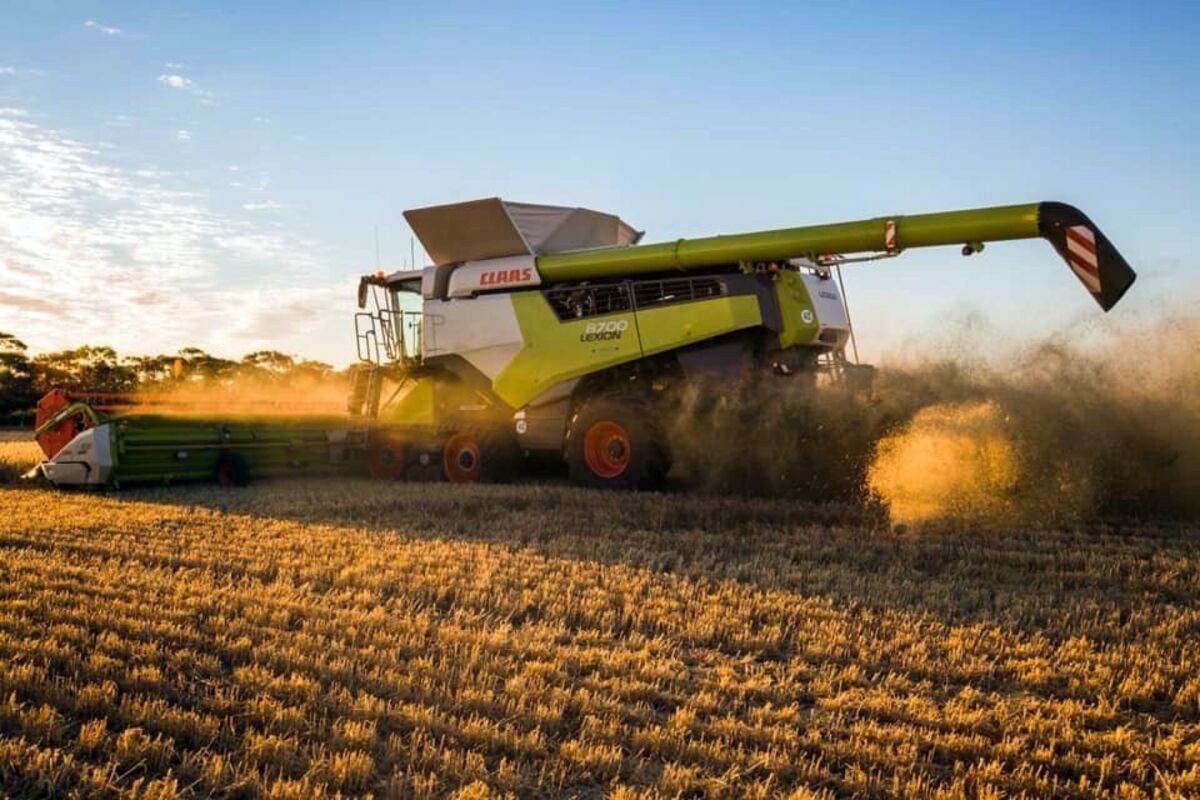
Rising diesel prices are pressuring farmers as planting and harvest seasons begin, while Russia’s war is snarling exports of an earlier harvest. Russian farmer Rodion Belitsky says he is taking unspecified drastic action to get seeds planted; the excerpt provides no price figures or details of government interventions.
Analysis
The key transmission is not simply higher farm fuel expense: it is whether fuel is available at planting and harvest windows. A temporary price spike can be absorbed; rationing, export restrictions, or delayed deliveries can reduce acreage or yields, tightening grain availability months later. That creates a lagged food-inflation channel and raises the odds of government subsidies or price controls—supportive for farmers near term, but potentially negative for fiscal balances and private fuel distribution if controls discourage supply. Refiners and fuel distributors may benefit from higher prices only where they retain pricing power and can deliver product; regulated prices can reverse that advantage.
The near-term market reaction may overstate the structural crop impact: higher diesel costs do not automatically translate into lower output, and harvest/export disruptions are not evidence of a broad global supply shortfall. Over 1–3 months, watch local diesel availability, planting progress, Russian grain export volumes, and policy measures. Over 6–18 months, persistent fuel constraints could affect acreage, yields, and food inflation; a normalization in diesel prices or logistics would unwind that risk. The excerpt provides no price, volume, or policy detail, so avoid sizing a directional trade off the headline alone. Verify whether the shock is a global crude/refining issue or a localized distribution and export bottleneck.
AllMind Terminal
AI-powered research, real-time alerts, and portfolio analytics for institutional investors.
Request TrialMarket Sentiment
Overall Sentiment
mildly negative
Sentiment Score
-0.20
Key Decisions for Investors
- No immediate outright trade: the excerpt lacks diesel-price magnitude, affected regions, and details of the intervention. Track diesel cracks and farm-gate availability alongside planting progress and grain export data before adding commodity risk.
- Conditional hedge: if diesel availability remains impaired through planting and Russian export volumes weaken, consider a tactical long in wheat futures against a short in a broad food/beverage equity basket; size modestly and reassess as crop-condition data arrive. The thesis is falsified by normal planting progress, recovering exports, or a sustained easing in diesel costs.
- Watch food processors for delayed input-cost pressure rather than shorting on this item alone. Confirm fuel and freight cost exposure and evidence of limited pricing pass-through in company guidance; stronger pricing or stable margins would negate the relative-value case.
- Monitor intervention design: subsidies may cushion farm demand, while administered prices or export limits can shift costs to public budgets and worsen physical availability. A credible supply response or rapid logistics normalization would reduce the medium-term grain and food-inflation risk.
More News
- Trump's diesel agreement with Putin accused of contradicting Russia sanctions law
- Authorities said Houthi-claimed attacks on Riyadh airport killed three Saudi citizens, as airlines suspend at least 124 flights
- Trump reaches Russian diesel supply deal as U.S. fuel prices surge
- RBI Announces Special Oil Window, Regulatory Steps for Rupee
- Putin tells Trump peace talks are unlikely, cites Ukraine drone attacks
- Rising fuel costs slashed Delta’s profit outlook despite strong demand