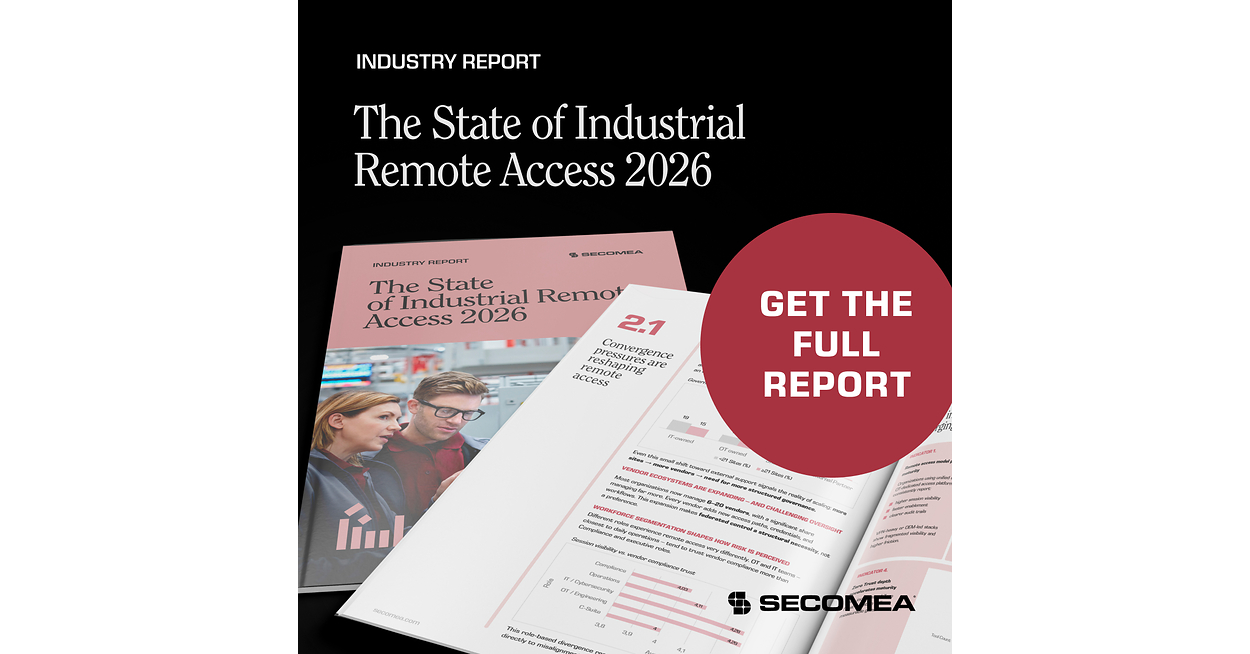
L’étude sectorielle « The State of Industrial Remote Access 2026 » met en évidence un écart croissant entre sécurisation du remote access vers les réseaux OT et gouvernance des accès tiers. En Amérique du Nord, 57% des organisations gèrent au moins 6 prestataires externes, mais seulement 46% indiquent des sessions fournisseurs entièrement vérifiables et 23% vérifient les identifiants au moins une fois par mois, ce qui crée un risque de visibilité/traçabilité limitée. L’article pousse vers des modèles de gouvernance centralisés (identité, accès « juste à temps », audit, révocation rapide) plutôt que de simples connexions VPN fragmentées, sans annoncer d’impact financier direct chiffré sur des entreprises.
The investable read-through is not “more cyber spend,” but a shift in budget mix from basic secure connectivity toward identity, approval, and audit orchestration. That favors privileged-access and governance layers such as CYBR and, to a lesser extent, OKTA/MSFT identity workflows, while pressuring commoditized VPN/remote-access vendors whose differentiation gets absorbed into broader platforms. For industrial software and service integrators, the winner is the vendor that can make compliance invisible to operations; the loser is the point product that adds friction without reducing staffing burden.
This is a slow procurement cycle, so the near-term earnings impact is minimal; the first real catalyst is a breach, audit mandate, or a major OEM/customer requiring centralized third-party access controls. Over 6-18 months, the structural effect is more interesting: once manufacturers standardize on one governance plane, attach rates for logging, session recording, and just-in-time access can expand faster than headline seat counts. The key risk is bundle economics — Microsoft, Palo Alto, Fortinet, and other platform vendors can fold enough of this functionality into existing stacks to cap standalone TAM.
Contrarian view: the market tends to overestimate how quickly “zero trust for OT” becomes incremental spend. A lot of this is a reclassification of existing remote-support budgets, so the revenue opportunity may be more about vendor displacement than net-new dollars. Gartner/IT is only a weak second-order beneficiary via higher research intensity and board-level scrutiny; there is no obvious direct earnings catalyst here unless security advisory demand or enterprise spending commentary improves materially.
AI-powered research, real-time alerts, and portfolio analytics for institutional investors.
Request TrialOverall Sentiment
neutral
Sentiment Score
-0.05
Ticker Sentiment
