
Huawei Digital Power predstavuje na veľtrhu IDEE 2026 riešenia pre viacero scenárov s využitím tvorby siete a AI
Source: PR Newswire
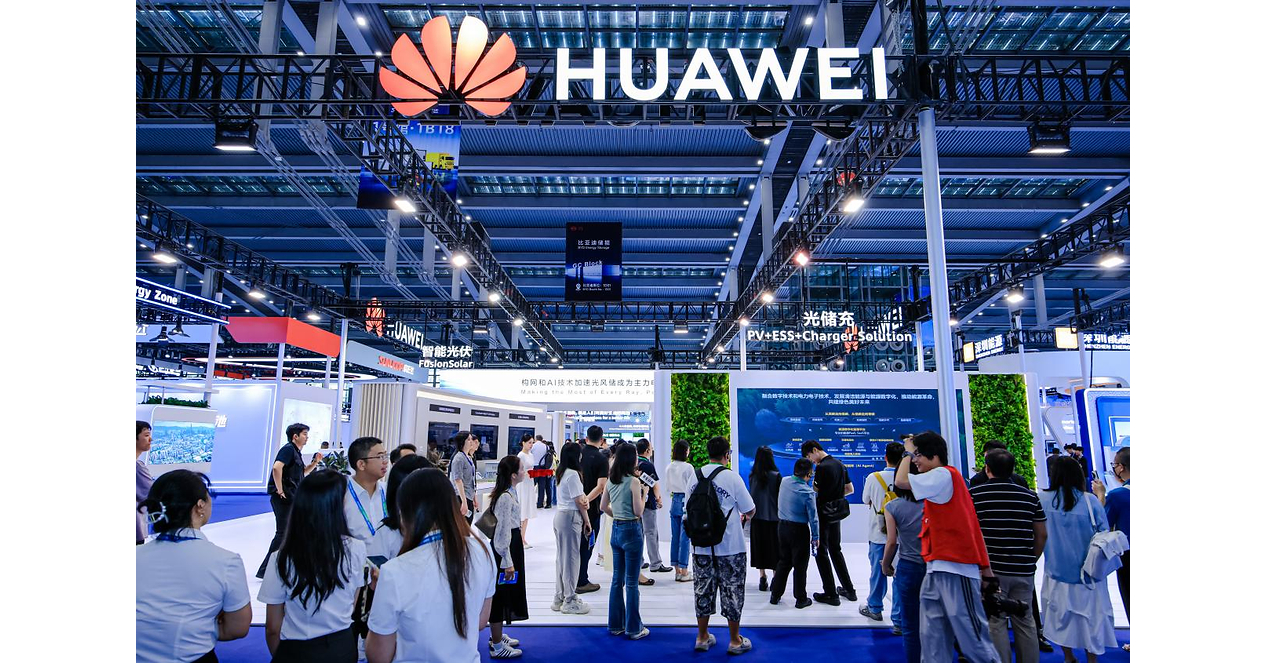
Huawei Digital Power unveiled grid-forming and AI-enabled renewable-energy solutions at IDEE 2026, spanning utility-scale solar, energy storage, microgrids, commercial energy systems, EV charging and AI data centers. Key specifications include a 12.5MW/50MWh grid-forming ESS, a 241kWh C&I storage system with 91.8% round-trip efficiency and 100% depth of discharge, and 40ms medium-voltage microgrid switching. Huawei said its AI-scheduled FusionCharge platform can lift charging-station revenue by more than 15%, while its I-V curve diagnostic solution received L5 certification, the highest level, in China.
Analysis
This is not an immediate equity catalyst: Huawei is private and the product-performance claims lack project-level orders, pricing, warranty terms, or third-party bankability data. The investable implication is a gradual shift in renewable procurement from lowest-cost hardware toward grid-support functionality, where qualification cycles and utility interconnection rules matter more than module/inverter unit volumes. That favors suppliers with installed base, service networks, and regulatory credibility—Eaton (ETN), Schneider (SU.PA), and ABB (ABBN.SW)—while raising the competitive bar for pure-play inverter and storage vendors such as Sungrow (300274.SZ), Solis (300763.SZ), and Fluence (FLNC).
Over the next 1-3 months, the relevant read-through is whether grid-forming requirements become explicit in Chinese provincial tenders or in export-market utility RFPs. If they do, storage economics improve because projects can monetize capacity, ancillary services, and interconnection advantages rather than rely solely on energy-arbitrage spreads; that is structurally positive for battery-system integrators and grid-equipment suppliers over 6-18 months. Conversely, broader deployment of Chinese integrated systems would pressure Western pricing and gross margins, particularly FLNC and Nextracker (NXT) where customers may increasingly bundle power conversion, controls, and storage procurement.
The underappreciated second-order effect is on AI data-center power infrastructure. Grid-interactive storage can reduce the need for oversized standby generation and accelerate power-delivery timelines in constrained regions, supporting ETN, Vertiv (VRT), and Generac (GNRC) only if hyperscalers accept storage as a resilience asset rather than a discretionary sustainability add-on. The key risk is that utilities restrict islanding/grid-forming operating modes, or that safety incidents raise insurance and warranty costs; either outcome would convert claimed efficiency gains into higher lifecycle capex.
Consensus may overestimate the near-term disruption to listed Western vendors. Utility-scale buyers prioritize financing, local service, cybersecurity review, and long-duration performance guarantees, so technical specifications alone rarely displace incumbents quickly. A meaningful competitive inflection requires evidence of export wins, independently disclosed system pricing, and repeat orders—not exhibition announcements.
AllMind Terminal
AI-powered research, real-time alerts, and portfolio analytics for institutional investors.
Request TrialMarket Sentiment
Overall Sentiment
moderately positive
Sentiment Score
0.48
Key Decisions for Investors
- No directional trade solely on this announcement; create a 1-3 month alert for grid-forming storage mandates in China, GCC, Australia, and Europe, plus disclosed Huawei utility-scale export awards. Escalate only if tender specifications begin requiring grid-forming capability rather than treating it as optional.
- Maintain a 6-18 month quality tilt long ETN and ABBN.SW versus short FLNC as a basket hedge: grid-code complexity should favor diversified electrical incumbents with service and switchgear content, while FLNC remains more exposed to storage-system price competition. Falsify if FLNC demonstrates sustained gross-margin expansion and backlog growth despite falling average system prices.
- Watch NXT for margin risk rather than shorting preemptively. A bundled PV-plus-storage-plus-controls procurement model could reduce standalone tracker bargaining power, but NXT should be protected if utility solar additions remain strong; a sustained decline in gross margin or attach-rate commentary is the required trigger.
- For AI-power exposure, retain VRT/ETN longs but do not add on this news. Add only if hyperscaler capex commentary identifies storage-backed power delivery as shortening grid-connection timelines; reduce if order growth decelerates while working capital rises, indicating capacity build ahead of realizable demand.
More News
- All Iranian airlines to be 'shut down' from Wednesday, Bessent tells CNBC
- Taiwan benchmark Taiex rises to record intraday high as tech stocks advance
- AMD joins the $1 trillion club as chip rally surges - our AI Strategy saw it early
- Jamie Dimon says hyperscaler AI spending could hit $1 trillion next year
- Factbox-Key issues for this week’s Trump-Xi summit in Washington
- Latest Oil Market News and Analysis for Sept. 22