
Zendure predstavuje na veľtrhu IFA 2026 systém Agentic HEMS: „Domáce energetické centrum éry AI"
Source: PR Newswire
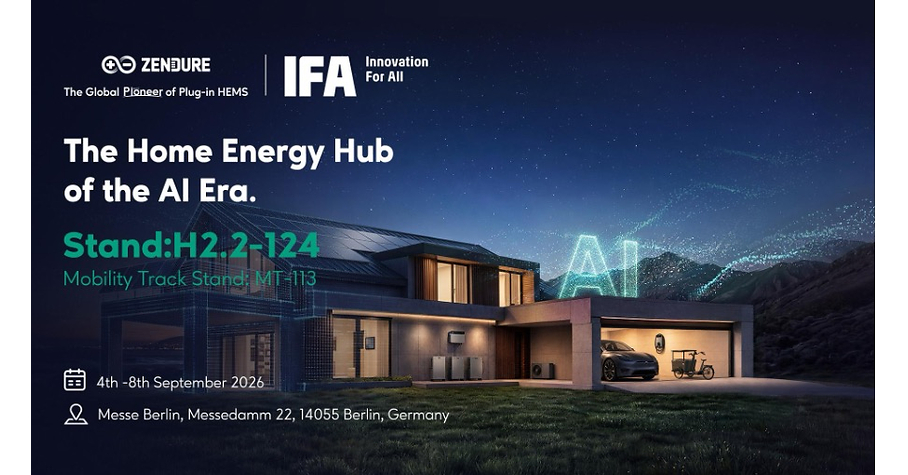
Zendure predstavil na IFA 2026 „Agentic HEMS“ s AI vrstvami ZenPulse (predikčný model), AI agentmi ZENKI™ a otvorenou platformou Zen+OS, zameranými na autonómne plánovanie a riadenie domácej energie. Platforma uvádza integrácie (napojenie na MQTT/Home Assistant/Homey, kompatibilita s >90 % spotrebičov v domácnosti, integrácia s >870 dodávateľmi energie a kompatibilita s >5000 modelmi TČ) a tiež vlastnú dynamickú tarifu ZenWave™ pre automatické nákupy pri najnižších cenách. Ide o produktové oznámenie s potenciálne dlhodobejším dopadom na segment HEMS, no bez uvedenia finančných výsledkov či cenového/objemového čísla.
Analysis
The investable read-through is not the product launch itself; it is the shift of bargaining power from standalone hardware toward the orchestration layer. If autonomous optimization actually works, the margin pool migrates to the controller/software stack and the installer channel, while commodity storage/inverter vendors face faster pricing pressure and lower switching costs than the marketing implies. Open APIs are a double-edged sword: they accelerate adoption, but they also make the “platform” easier to replicate or disintermediate by larger home-energy ecosystems.
Near term, this is mostly a narrative event, so public-market impact should be muted unless channel checks show real attach-rate lift in Europe. The first material catalyst would be evidence that households with EVs + heat pumps are increasing battery utilization and reducing payback periods enough to pull forward purchases; that would matter over 1-3 months. Over 6-18 months, the structural issue is whether dynamic tariffs and regulatory metering rules allow enough arbitrage for the software layer to monetize, or whether utilities and grid operators clamp down on automated load shifting.
The contrarian miss is that “AI” may be overstated as a moat and understated as a feature. If the system’s edge comes mainly from price signals plus device integration, the durable winners are likely the incumbents with distribution, warranties, and existing installed base rather than a niche brand. Falsifiers: weak installer pull-through, slower-than-expected European tariff adoption, or any evidence that autonomous control increases support/cybersecurity costs enough to compress margins.
AllMind Terminal
AI-powered research, real-time alerts, and portfolio analytics for institutional investors.
Request TrialMarket Sentiment
Overall Sentiment
mildly positive
Sentiment Score
0.15
Key Decisions for Investors
- No immediate standalone equity trade; treat as a watch item until we get third-party channel data on installer pull-through, gross-margin mix, and retention of the control software layer.
- If follow-up checks confirm real adoption, use a 3-6 month pair trade: long ENPH / short SEDG. Thesis: the market will pay up for integrated control software and ecosystem quality, while weaker hardware franchises remain exposed to commoditization. Falsifier: SEDG stabilizes margins and order growth reaccelerates.
- Set an alert on European dynamic tariff policy and metering rules over the next 1-3 months. If regulators restrict automated load shifting or export arbitrage, the entire HEMS monetization path weakens quickly.
- For a higher-risk expression, buy small TSLA exposure only as a secondary beneficiary of home-energy integration and EV charging orchestration, but size modestly because the impact is distant and mostly already embedded in broader energy storage expectations.
More News
- Iran says two tankers catch fire after hitting mines in Strait of Hormuz
- Why Marco Rubio’s visit to Mumbai has ruffled feathers in India
- US and Iran both claim control of Strait of Hormuz amid attacks on vessels
- AI stocks plunge. Inflation heats up. Where we're still finding opportunities
- Bending Spoons wants to revive software castoffs. Berkshire is backing the plan
- AI rapidly improving, could vastly boost U.S. GDP, Anthropic's Clark tells policymakers