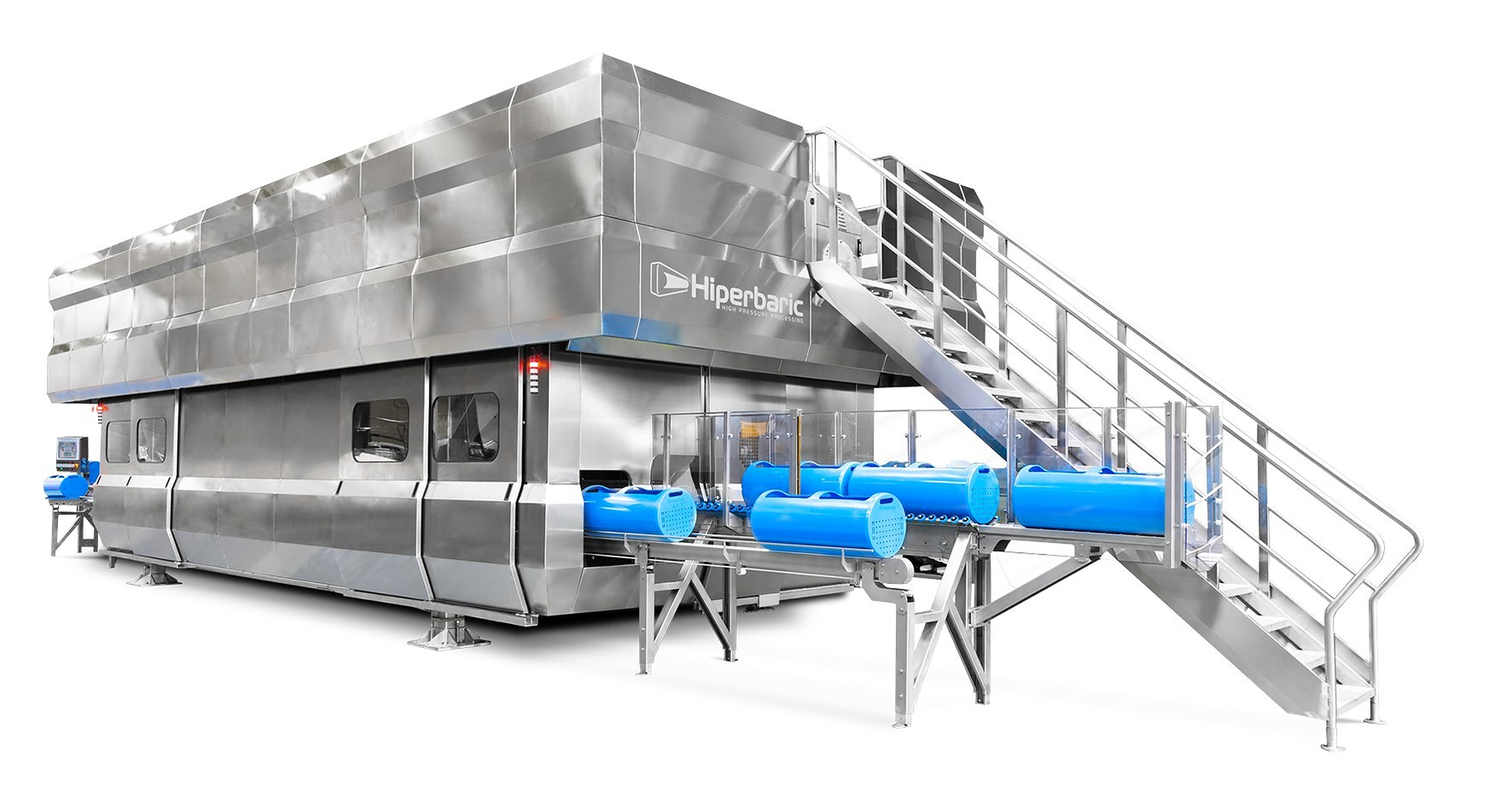
Universal Pure commissioned an additional Hiperbaric 525i HPP machine at its Malvern, Pennsylvania facility, bringing the site to five HPP systems and raising processing capacity to meet growing Eastern U.S. demand for non-thermal food safety solutions. The network expanded to 24 HPP systems across 8 U.S. facilities, supporting expanded storage, inventory management, packaging, and distribution capabilities.
The economic read-through is less about one machine and more about the continued monetization of a capacity-constrained, outsourced food-safety node. That tends to widen the moat for the largest network operator because scale improves scheduling density, customer stickiness, and utilization leverage; smaller regional processors are the ones most likely to lose pricing power if the incumbent keeps adding nodes.
The cleaner public-market beneficiaries are cold-chain infrastructure names such as COLD and LINE rather than the private operator itself. More HPP capacity typically pulls through adjacent refrigerated storage, inventory staging, and distribution, but the effect is incremental and will not re-rate the sector unless utilization data shows the network is actually tight. Over 6-18 months, the second-order winner is premium refrigerated/private-label food innovation, where longer shelf life lowers shrink and makes wider distribution viable.
Contrarian view: the market may over-interpret this as new demand when the signal could be mostly refurbishment and maintenance capex. If volumes don’t accelerate into the next 1-2 quarters, this is just housekeeping, not a secular step-up. The thesis is falsified if management commentary shows flat machine utilization, price concessions, or no meaningful increase in throughputs after the new unit comes online.
AI-powered research, real-time alerts, and portfolio analytics for institutional investors.
Overall Sentiment
mildly positive
Sentiment Score
0.25
Ticker Sentiment
