
DISA Uranium Hosts Government, Tribal and Industry Leaders at its First NRC-Licensed AUM Cleanup Project in Colorado
Source: PR Newswire
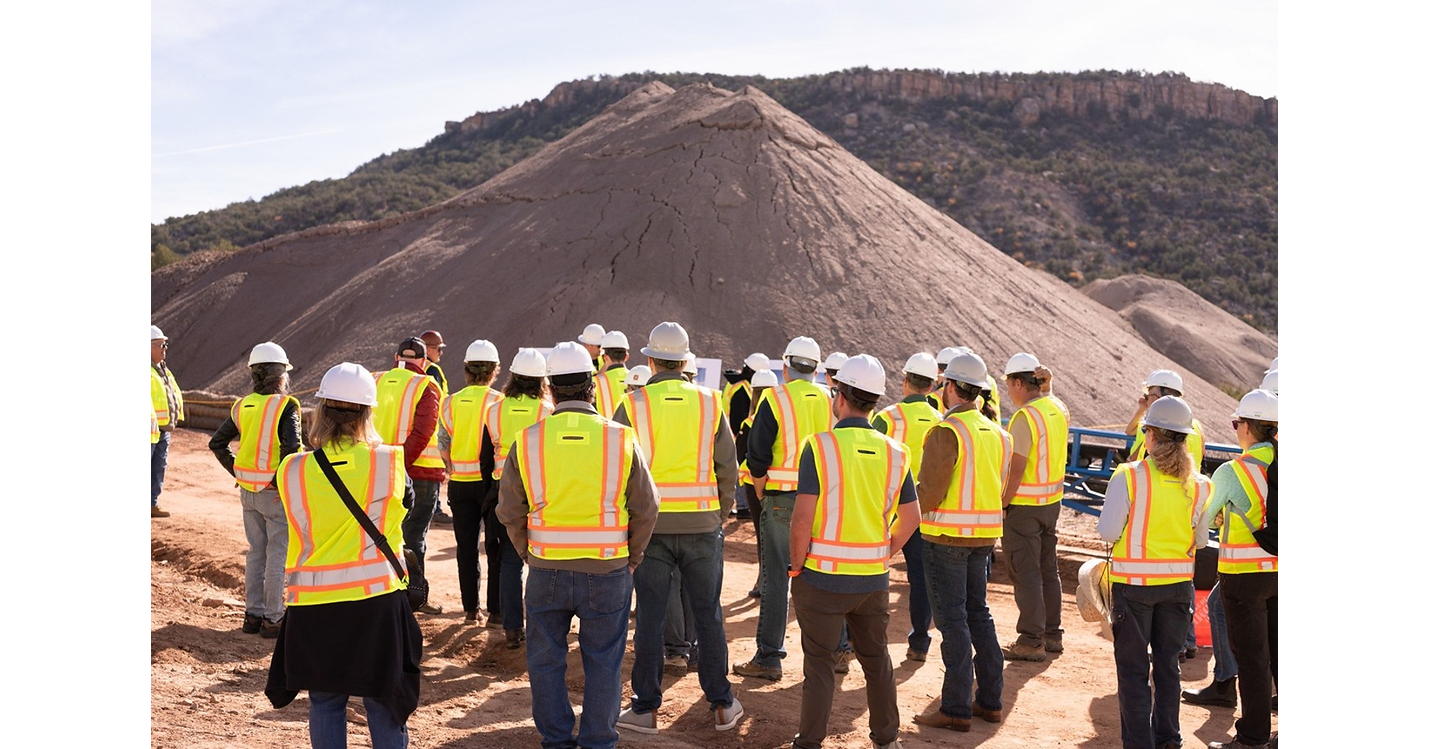
DISA Uranium began its first abandoned uranium mine remediation project under its NRC Service Provider License at the Mary Ann site in Colorado, using its mobile HPSA technology to separate uranium-bearing material from waste rock. The company says it has agreements covering more than 375 legacy AUM sites, though Mary Ann is an initial demonstration rather than evidence of scaled results. Navajo Nation officials said a USEPA-approved Phase 2 verification study is expected to be fully implemented in spring 2027.
Analysis
The investable signal is regulatory and technical optionality, not near-term uranium supply. A service-provider license and a first field deployment lower one barrier to testing a mobile remediation model, but they do not establish commercial recovery rates, all-in site economics, repeatable permits, or saleable concentrate. The claimed portfolio of site agreements should therefore be valued as an opportunity set—not contracted revenue or reserves.
The key second-order question is who pays for cleanup relative to the value of recovered material. If uranium proceeds do not cover mobilization, treatment, transport, and residual-waste obligations, adoption depends on public or site-owner remediation budgets; that creates procurement and funding-cycle risk even if the technology works. Conversely, successful independent verification could make remediation a source of secondary supply and improve the economics of otherwise stranded cleanup projects, while adding little near-term volume to the broader uranium market.
Near term, the press release is a weak standalone catalyst. Over the next 1–3 months, seek independently verifiable Mary Ann throughput, uranium mass balance, concentrate assays, and cost data. The more consequential 6–18 month test is the Navajo Nation’s planned spring 2027 field-scale verification and whether Tribal, federal, and state stakeholders support deployment beyond the pilot. A failed verification, unresolved residue-disposal pathway, or community opposition would impair the repeatability thesis. The contrarian point: the release’s large site count may invite premature scale assumptions; regulatory access and social license, not resource inventory, are likely the binding constraints.
AllMind Terminal
AI-powered research, real-time alerts, and portfolio analytics for institutional investors.
Request TrialMarket Sentiment
Overall Sentiment
mildly positive
Sentiment Score
0.35
Key Decisions for Investors
- No direct security trade on this announcement: the supplied data identifies no ticker, and the release provides no independently verified project economics. Treat DISA Uranium’s pipeline claims as unproven optionality.
- Set a diligence alert for Mary Ann operating data: tonnes treated, uranium recovered per tonne, recovery and mass-balance results, concentrate quality, operating cost, and the route and cost for final disposition of remaining material. Do not underwrite scale without these measures.
- Track the spring 2027 Navajo Nation Phase 2 verification as the principal catalyst. Evidence of field-scale performance plus documented Tribal and regulator acceptance would strengthen the commercialization case; delay, adverse results, or objections would falsify it.
- For public uranium exposure, avoid treating this as a material near-term supply shock. Reassess sector supply assumptions only if multiple sites secure approvals and funding and demonstrate repeatable, economically viable output.
More News
- NextDC shares surge 43% after Goodman, Digital Realty stake purchases
- Voters rebuff data centers in every ballot measure except one during the 2026 midterms
- Oil and data centre stocks sink after US midterms
- Qualcomm issues disappointing earnings forecast as memory shortage weighs on smartphone sales
- China Blocks SoftBank Acquisition of ABB Robot Unit, FT Says
- After the midterms, a bigger clash over data centers could be coming