
Around 100 Former Heads of State and Government Call on Current Leaders to Renew International Cooperation
Source: PR Newswire
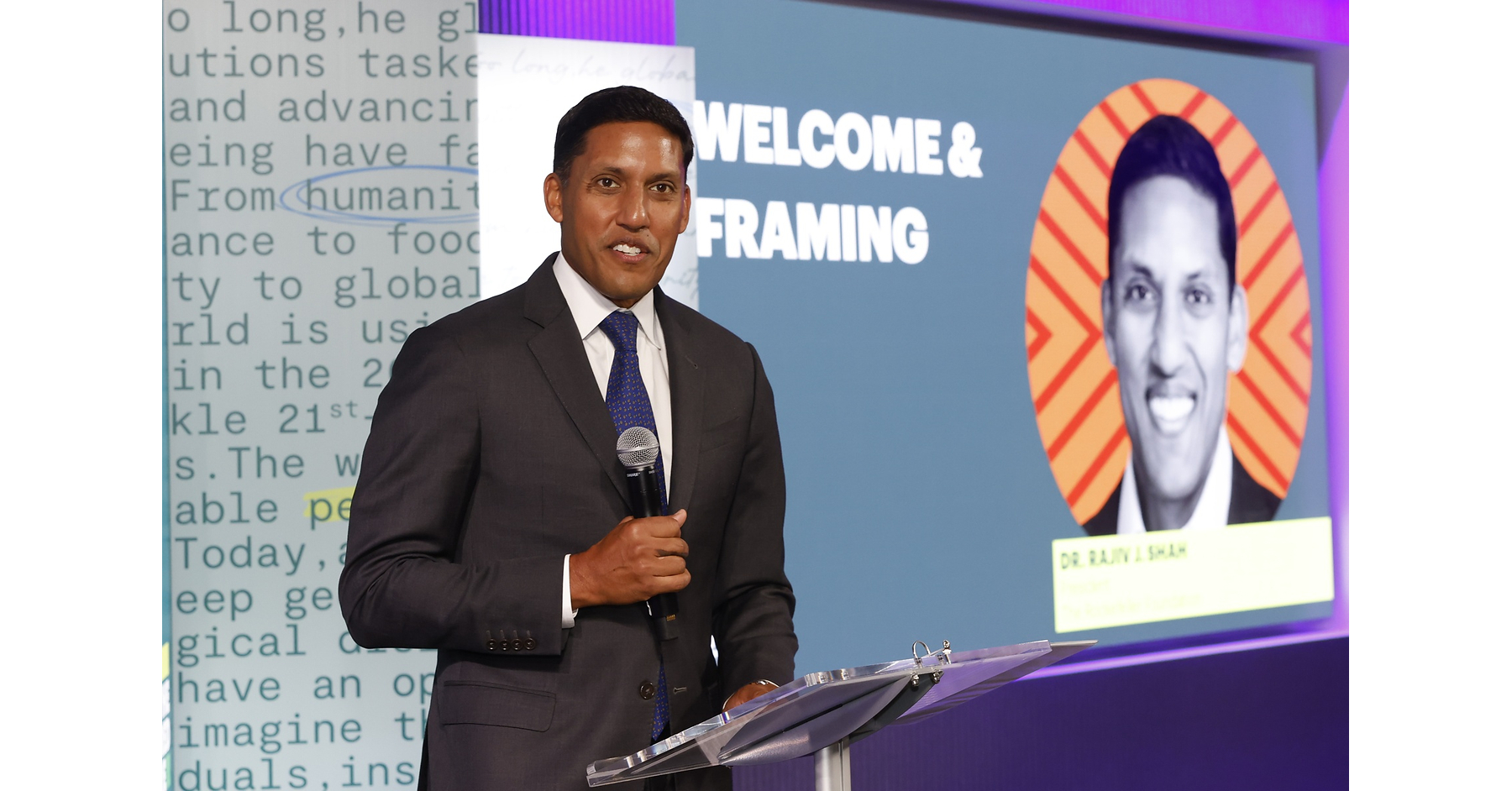
Nearly 100 former heads of state and government endorsed the Rockefeller Foundation-backed Principles of Cooperation initiative, calling for renewed multilateral action amid conflict, climate risks, pandemics, migration and AI-driven change. A Focaldata survey across 34 countries found 57% support international cooperation even when national compromises are required, versus 10% opposed; more than 80% backed commitments to human dignity and collective action on peace and security. The initiative is primarily a policy and civil-society effort rather than a binding government action, limiting its immediate market relevance.
Analysis
This is non-binding advocacy rather than a policy commitment, so it has no direct earnings, regulatory, or capital-allocation implication. The market-relevant signal is limited to a potential medium-term normalization of cooperation narratives around climate finance, pandemic preparedness, AI governance, and cross-border infrastructure; none has a credible implementation timetable or identified funding source.
The second-order risk is that investors may over-read broadly favorable public opinion as political capacity. Cooperation-sensitive assets—renewables, multilateral-development-bank beneficiaries, vaccine suppliers, and global trade proxies—remain driven by elections, fiscal constraints, sanctions, and bilateral negotiations, not former-leader statements. Any near-term sector move on this item would be sentiment-driven and likely fade absent a government-backed framework, budget, treaty, procurement program, or enforcement mechanism.
Over 6-18 months, the useful watchpoint is whether this initiative converts into concrete Global South financing commitments. That would modestly improve demand visibility for grid equipment and distributed-power suppliers such as Eaton (ETN), Schneider Electric (SU.PA), and ABB (ABBN.SW), while supporting climate-finance intermediaries. The thesis is falsified if major-country budgets continue to prioritize defense, domestic industrial policy, and tariff protection over cross-border climate or development spending.
AllMind Terminal
AI-powered research, real-time alerts, and portfolio analytics for institutional investors.
Request TrialMarket Sentiment
Overall Sentiment
mildly positive
Sentiment Score
0.12
Key Decisions for Investors
- No standalone trade: treat the item as low-impact narrative risk rather than an investable catalyst over the next 1-3 months.
- Create an alert for government-backed climate-finance, grid-investment, pandemic-procurement, or AI-governance announcements tied to G20, COP, World Bank, or regional development-bank meetings; only then evaluate long ETN, ABBN.SW, or SU.PA on incremental order-book visibility.
- Do not add to broad clean-energy exposure solely on cooperation rhetoric; require evidence of funded procurement or lower financing costs. A continued rise in real yields or renewed tariff escalation would outweigh any narrative benefit.
- For geopolitical portfolios, maintain hedges around trade fragmentation rather than reducing them: concrete tariff, sanctions, or export-control actions are the nearer-term transmission channel and would invalidate a cooperation-led risk-on interpretation.
More News
- All Iranian airlines to be 'shut down' from Wednesday, Bessent tells CNBC
- Taiwan benchmark Taiex rises to record intraday high as tech stocks advance
- AMD joins the $1 trillion club as chip rally surges - our AI Strategy saw it early
- Jamie Dimon says hyperscaler AI spending could hit $1 trillion next year
- Factbox-Key issues for this week’s Trump-Xi summit in Washington
- Latest Oil Market News and Analysis for Sept. 22