
New Book Reveals Why Even Well-Drafted Estate Plans Fail
Source: PR Newswire
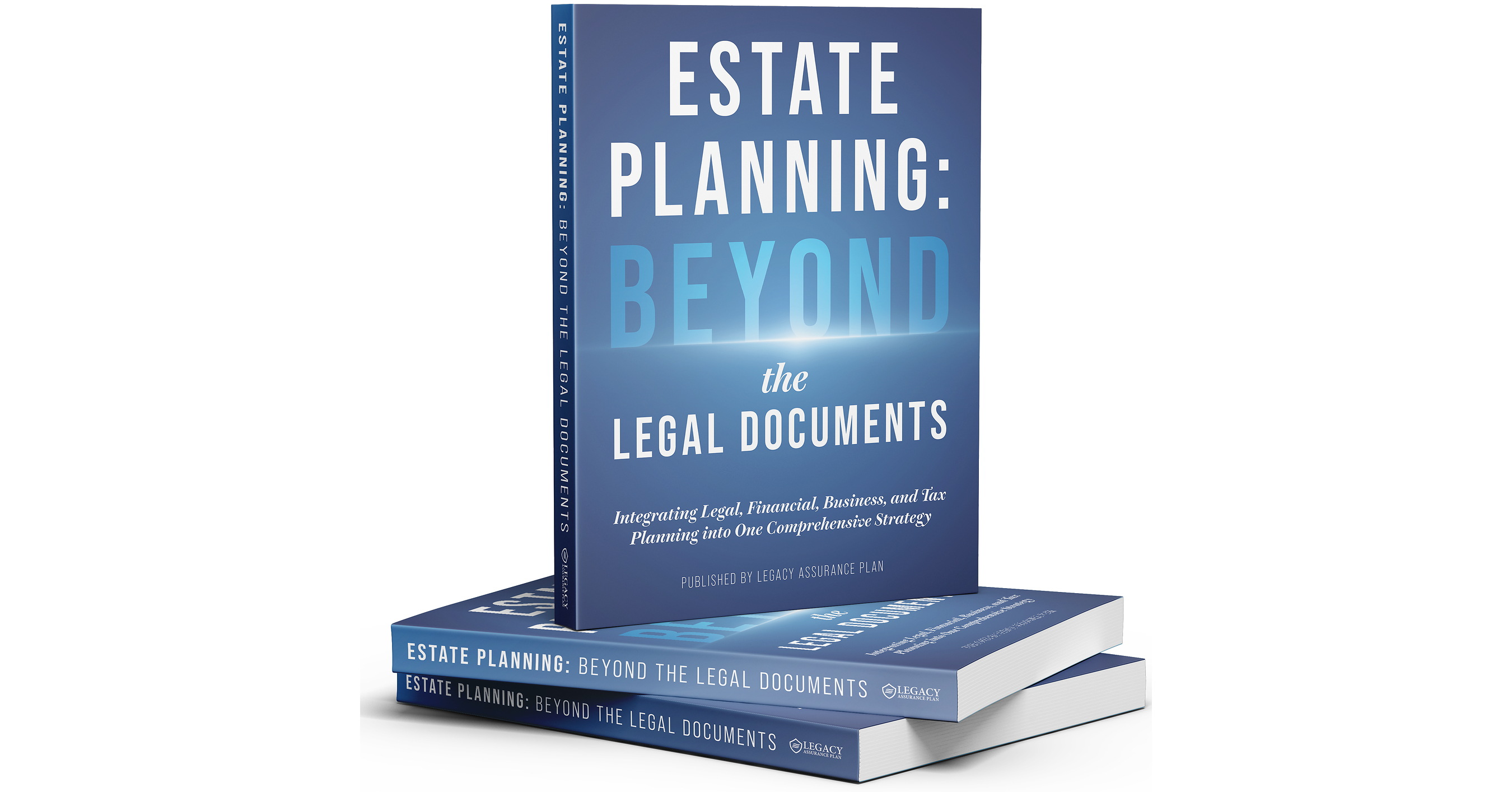
A 454-page guide from Legacy Assurance Plan argues estate plans often fail due to execution gaps—e.g., unfunded trusts and beneficiary/account titling mismatches that can override a will’s intent. It highlights recent regulatory changes affecting inherited retirement accounts and evolving SECURE 2.0 required minimum distribution timelines, and notes the federal estate tax exemption is $15 million per individual, shifting focus toward coordination for state taxes and beneficiary designations.
Analysis
This is not a revenue event so much as a distribution event: if there is any public-market read-through, it sits with Amazon’s long-tail Kindle marketplace and book-adjacent services, but the implied contribution is de minimis relative to AMZN’s scale. The more relevant takeaway is that estate-planning demand is being reframed from a one-time legal purchase to an ongoing maintenance product, which is constructive for subscription-like legaltech and trust-administration models rather than for a bookseller.
The second-order winner set is outside the named tickers: wealth managers, trust banks, and estate-planning software/workflow vendors should benefit if this messaging nudges consumers toward annual plan reviews, beneficiary audits, and trust-funding services. That said, there is no evidence here of incremental spend, only marketing around a fragmented and highly advice-driven category, so any valuation impact should be negligible unless paired with a measurable lift in lead generation or conversion.
From a risk perspective, the thesis dies quickly if there is no observable uptick in Amazon sales rank, review velocity, or advisor-sourced inbound over the next 2-6 weeks. Structurally, the legal/tax backdrop does support more frequent estate-plan refreshes over 6-18 months, but that is a slow-burn demand driver, not a tradable near-term catalyst. Consensus should not mistake a content launch for a durable monetization signal.
AllMind Terminal
AI-powered research, real-time alerts, and portfolio analytics for institutional investors.
Request TrialMarket Sentiment
Overall Sentiment
neutral
Sentiment Score
0.05
Ticker Sentiment
Key Decisions for Investors
- No trade in AMZN on this item; treat as immaterial to earnings and margin over the next 1-3 months unless Amazon book-ranking data shows an outsized spike.
- Set a 2-6 week watchlist on any public wealth-management or trust-admin names with estate-planning exposure; only engage if management commentary shows higher client review activity or AUM retention benefits.
- If forced to express the theme, prefer a basket approach: long a wealth-management/estate-services proxy, short AMZN as a hedge only if Kindle/book-sales data becomes meaningful — otherwise the spread is too small to matter.
- Monitor for falsification via Amazon bestseller rank, Kindle download trends, or Amazon retail/media disclosures; absent that, this is a non-event for public equities.
More News
- British watchdog seeks tougher terms around Microsoft's dominance of business software
- Amazon pulled a $4 ‘sterling silver’ ring that was 92% cancer-causing cadmium. A jewelry expert warns it’s back
- UK watchdog says AWS and Microsoft must do more to ease cloud switching
- Drivers who own Tesla's new ‘flying' Roadster may need more than driver's license to operate
- Jeff Bezos sold his Seattle mansion for a record $63 million before Washington passed a millionaires tax—he now lives in a $237 million Miami compound
- Anthropic and General Catalyst: the market is mispricing resilience