
InkSonic bringt den Spark F13 auf den Markt, einen 13-Zoll DTF-Drucker speziell für kleine Unternehmen
Source: PR Newswire
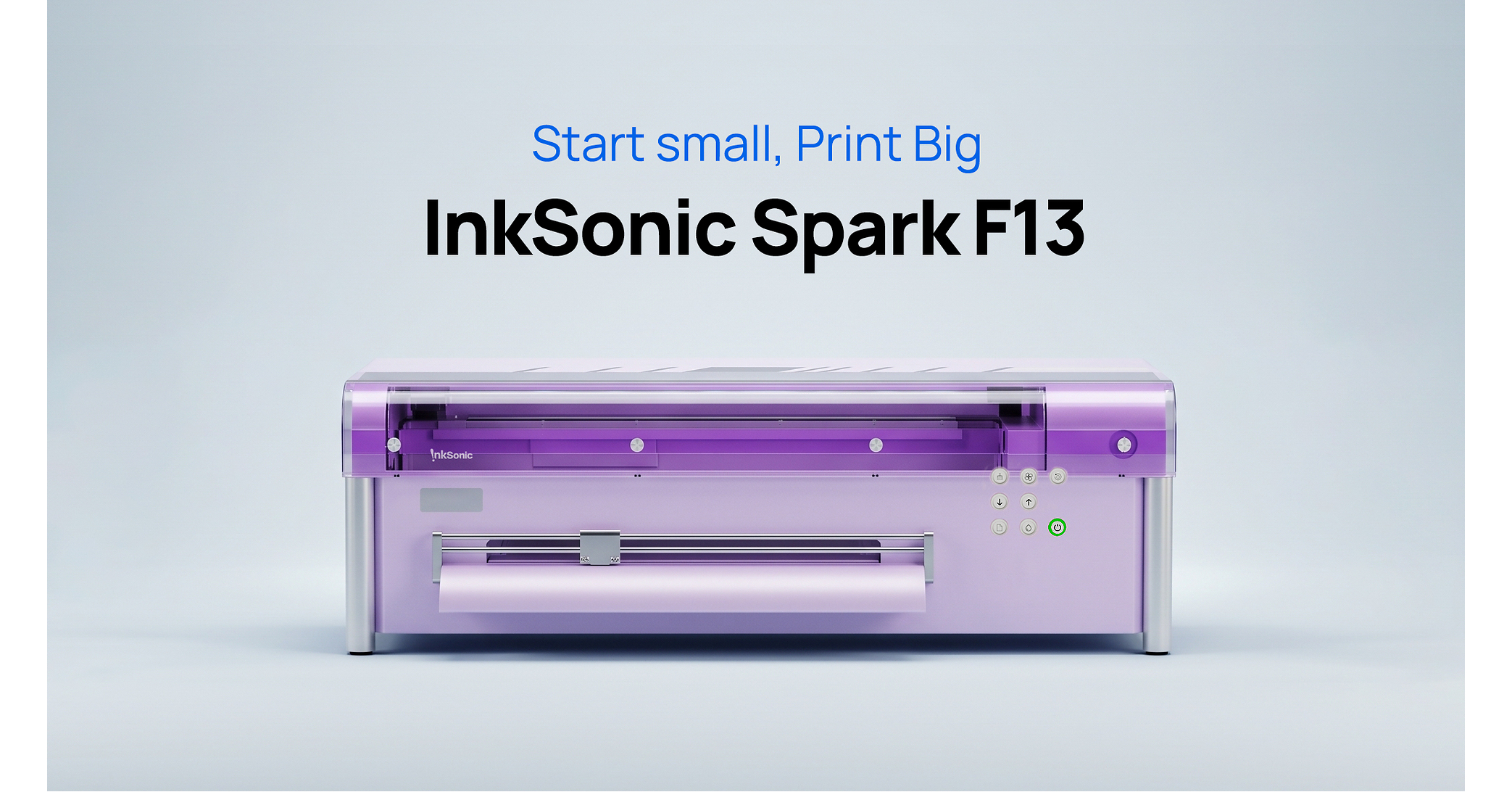
InkSonic launched the Spark F13, a 13-inch direct-to-film printer designed for small businesses, Etsy and Shopify sellers, and home-based apparel entrepreneurs. The product adds ink-level alerts, automated printhead maintenance and real-time visual workflow monitoring to reduce downtime and simplify small-batch customized apparel production. The Spark F13 has been available through InkSonic's website since September 15, 2026, with launch offers accessible via a waitlist.
Analysis
The investable read-through to SHOP and ETSY is immaterial near term: a lower-friction production tool may increase long-tail seller SKU velocity and reduce reliance on print-on-demand intermediaries, but it does not meaningfully alter either platform’s take rate, paid-marketing economics, or buyer demand. If adoption is real, the first-order benefit accrues to merchants through better unit economics on small batches; the second-order pressure falls on outsourced on-demand apparel fulfillment providers and, at the margin, entry-level craft-equipment vendors such as CRCT rather than the marketplaces themselves.
The key uncertainty is total cost of ownership, not the claimed workflow features. Consumables, failed-transfer rates, printhead replacement, color consistency, compliance, and support burden determine whether home-based operators can profitably internalize production; a low upfront price can instead raise seller churn and marketplace quality complaints. Over 6-18 months, broader DTF accessibility could intensify undifferentiated apparel supply on ETSY, worsening discovery and ad-auction intensity unless demand expands commensurately—potentially favorable for ETSY ad revenue but unfavorable for seller retention.
There is no standalone trade signal from this launch. For SHOP, the relevant catalyst would be evidence that merchants using in-house customization produce higher GMV and attach more fulfillment, payments, and advertising products; for ETSY, watch whether customized-apparel listings grow without a deterioration in conversion, repeat purchase, or active-seller retention. Absent independently reported unit sales, consumables revenue, or marketplace cohort data, the announcement should be treated as promotional rather than a forecastable earnings event.
AllMind Terminal
AI-powered research, real-time alerts, and portfolio analytics for institutional investors.
Request TrialMarket Sentiment
Overall Sentiment
mildly positive
Sentiment Score
0.28
Ticker Sentiment
Key Decisions for Investors
- No directional position in SHOP or ETSY on this news; the expected earnings sensitivity is below a tradable threshold over the next 1-3 months.
- Add CRCT to a 6-12 month competitive-risk watchlist: reassess a short only if DTF entry pricing undercuts comparable crafting workflows and CRCT reports renewed hardware-unit weakness or materially lower gross-margin guidance. Falsifier: sustained accessories/materials growth and stable active-user engagement.
- For existing ETSY longs, monitor customized-apparel category supply, seller-services revenue, and marketing efficiency through the next two quarterly prints. A rise in active sellers paired with weaker GMS per seller or falling repeat-buyer metrics would support trimming exposure; stable conversion and ad penetration would negate the congestion thesis.
- For SHOP, use merchant cohort disclosures and merchant-solutions growth as the decision trigger rather than product-launch headlines. Consider adding only if customization-led merchants demonstrably increase payments/fulfillment attachment while SHOP maintains gross-profit growth; otherwise this is not a catalyst for multiple expansion.
More News
- Shopify Stock Is More Than 10% Below Its Record. Should You Buy Before Its Nov. 3 Report?
- Companies promised AI gains— here's how the payoff showed up in earnings
- Bangladesh to form wage board after garment protests shut factories
- U.S workers just took home their smallest share of capital since at least 1947—and the lowest ever recorded
- Fears over $828 billion AI capex spending spree help erase $1 trillion in market value
- Intel stock plunges 29%. Analysts urge caution on buying the dip