
Global Bond Yields Surge as Inflation Fears Rise
Source: Bloomberg
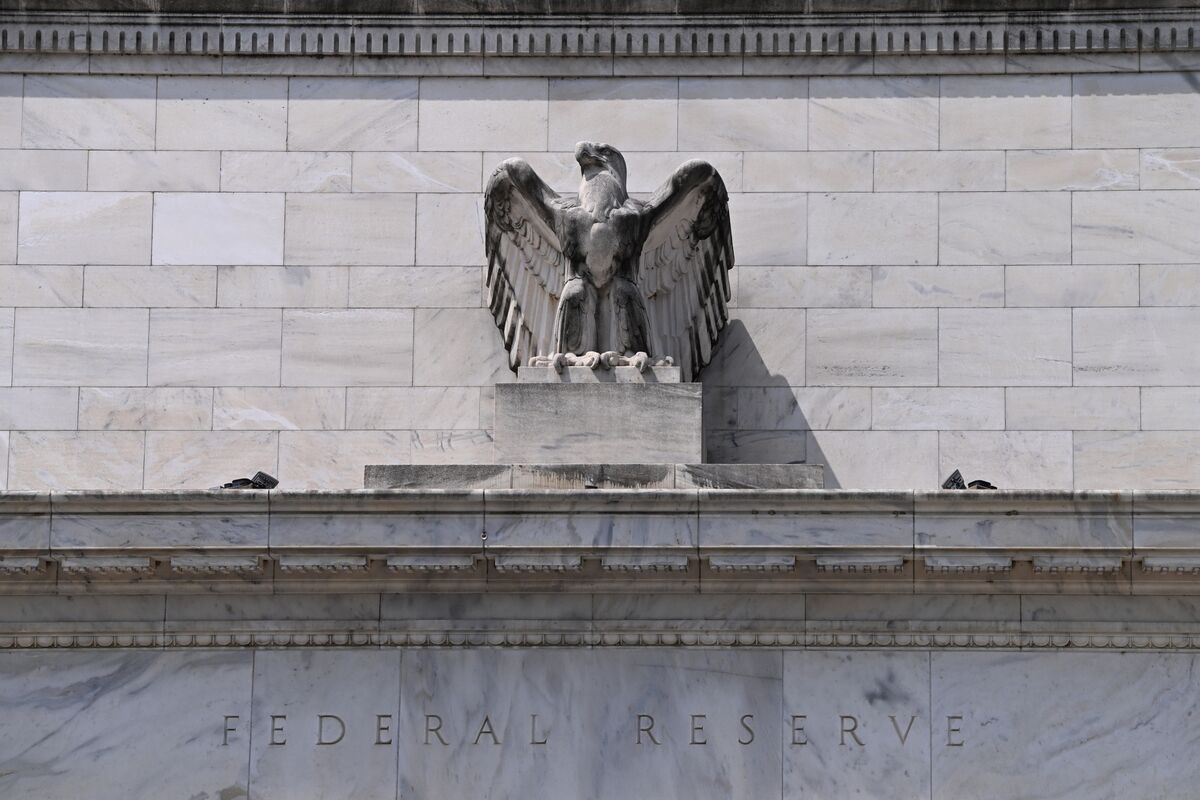
Global bond yields surged to the highest level since 2008 amid rising inflation fears, with oil cited as the key driver. The move signals a hawkish repricing of rate expectations and may pressure duration-sensitive assets broadly.
Analysis
The cleanest read-through is a regime shift from “transitory energy noise” to a broader duration repricing. When nominal yields reset higher at the same time oil is sticky, the first casualty is not just bonds — it is any asset whose valuation depends on cash flows far in the future: mega-cap growth, REITs, utilities, and unprofitable software. That creates a second-order tightening impulse even before central banks act, because higher discount rates and higher input costs hit both ends of the earnings statement.
On the winners’ side, energy remains the most direct hedge, but the bigger opportunity may be in balance-sheet quality over beta. Large-cap integrated producers and select banks can absorb the shock better than cyclicals with thin margins, while transport, chemicals, autos, and consumer discretionary face the most immediate margin compression if fuel stays elevated. Credit is the fragile link: refinancing risk rises quickly for lower-quality issuers once rates stay at these levels for more than a quarter.
The key catalyst path is days-to-weeks for the bond market to keep tightening, but 1-3 months for that to bleed into earnings revisions and risk appetite. The thesis breaks if crude rolls over, inflation prints cool, or growth data softens enough to pull yields back below the recent breakout zone. Over 6-18 months, sustained high yields can become self-defeating by slowing demand and eventually capping both oil and rate pressure.
Contrarian view: the market may be overpricing persistence. If this is supply-led inflation rather than demand-led overheating, the eventual outcome is lower growth, wider spreads, and ultimately lower yields — meaning the initial bear-steepening could reverse into a recession rally in duration.
AllMind Terminal
AI-powered research, real-time alerts, and portfolio analytics for institutional investors.
Request TrialMarket Sentiment
Overall Sentiment
mildly negative
Sentiment Score
-0.35
Key Decisions for Investors
- Short TLT or IEF tactically for 2-6 weeks; use any pullback in yields as an entry, with a stop if inflation data or growth scares pull the 10Y back through the recent breakout zone.
- Long XLE / short XLY as a 1-3 month pair trade: energy has direct commodity beta, while discretionary is most exposed to fuel-driven margin compression and weaker consumer demand.
- Short high-beta duration proxies such as ARKK or QQQ against XLE or cash if real yields keep rising; this captures multiple compression without needing a full equity market call.
- Watch HYG and LQD for spread widening over the next 1-3 months; if spreads begin to gap wider while yields stay high, add shorts or hedge long credit exposure.
- If WTI falls back sharply and inflation prints cool, cover duration shorts quickly — that would falsify the ‘higher-for-longer’ setup and likely trigger a sharp bond rally.
More News
- One Singapore ship was sunk, but here's why others are still transiting the Strait of Hormuz
- Order to limit Starshield for Ukraine came from inside White House: Reuters reports
- BOE Chief Says Energy Shock Delays 2% Inflation Target
- Suddenly, Wall Street is worried that the U.S. economy is more ‘vulnerable’ than it looks
- Ukraine to resume strikes on Russian refineries, shattering hopes of an 'energy ceasefire'
- AI Selloff Deepens in Asia as Funding Fears Mount