
Private Capital’s New Growth Playbook: Buy the Competition
Source: Bloomberg
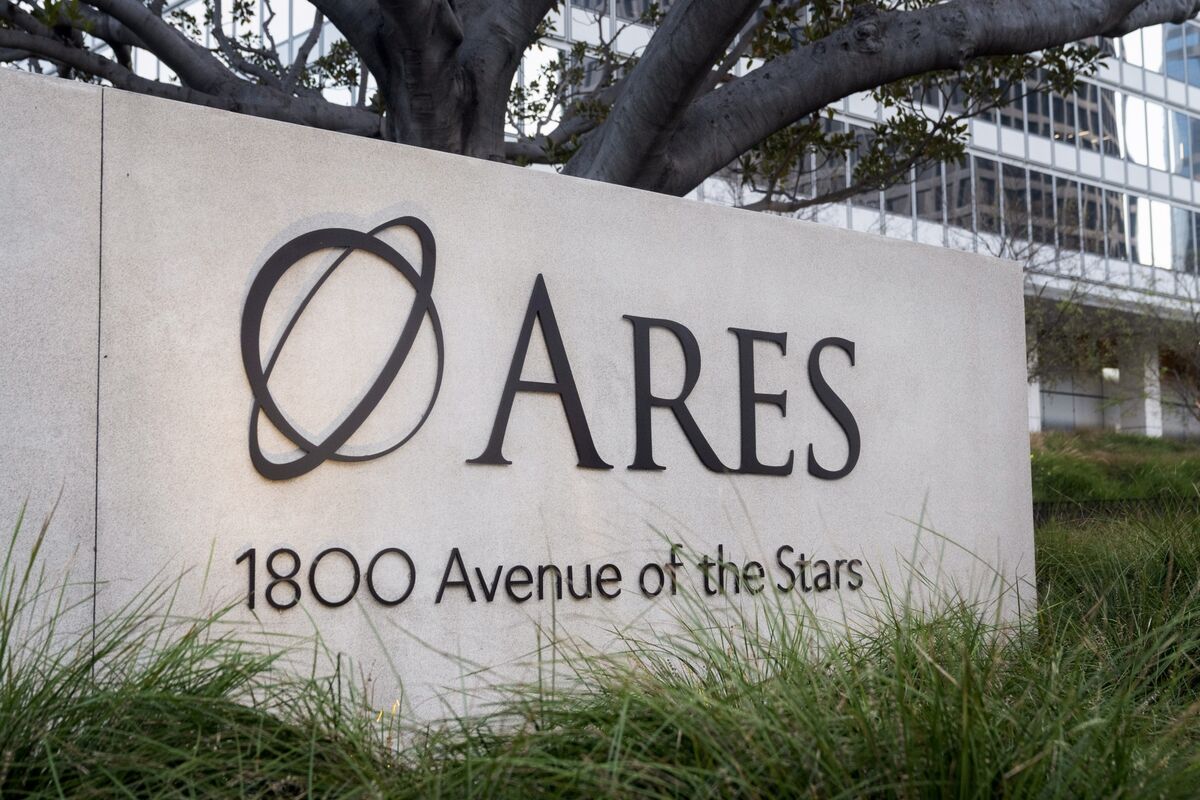
Private-capital managers are increasingly pursuing consolidation as a growth strategy, with acquisitions of rivals seen as a route to higher share prices. The investment case rests on public markets assigning premiums to stable, recurring fee revenue streams, encouraging alternative asset managers to scale through M&A. No specific transaction value, company, or financial targets were disclosed in the excerpt.
Analysis
Public alternative managers are increasingly valued less on reported AUM than on the durability, realization timing, and margin quality of fee-related earnings (FRE). Acquisitions can lift the multiple if they add permanent-capital channels—insurance, wealth, infrastructure, private credit—or remove duplicated fundraising and distribution costs; buying conventional drawdown AUM at a premium is more likely multiple-destructive. The key distinction is whether a transaction raises FRE per share within 12-24 months rather than merely increasing headline AUM.
BX, APO, KKR, ARES and BAM have the scale and balance sheets to be consolidators, but APO's insurance-linked capital base and ARES's private-credit/distribution franchise make strategically adjacent targets potentially more valuable than a generic buyout manager. Smaller listed platforms such as TPG, OWL and CG are more exposed to a takeout premium, although their weaker public-float liquidity and founder/control structures can constrain a clean transaction. Second-order beneficiaries include wealth-platform enablers and private-credit managers: consolidation may increase product shelf access and fundraising efficiency, further concentrating flows into the largest alternatives brands.
The near-term market risk is that investors reward deal announcements before seeing integration economics. Over 1-3 months, valuation dispersion should favor buyers only where management identifies cost saves, retained investment teams, and incremental perpetual capital; over 6-18 months, a slower exit environment could make acquisition financing and goodwill impairment more material. This is an industry-structure theme rather than a confirmed transaction signal, so position sizing should remain modest until a target, price, and financing terms are disclosed.
AllMind Terminal
AI-powered research, real-time alerts, and portfolio analytics for institutional investors.
Request TrialMarket Sentiment
Overall Sentiment
mildly positive
Sentiment Score
0.25
Key Decisions for Investors
- Maintain a 6-12 month quality-consolidator basket: long APO and ARES versus short a broad financials ETF (XLF) in equal beta-weighted sizing. The thesis is superior FRE growth and private-credit/insurance fundraising resilience; reassess if either manager guides to fee-related earnings growth below high-single digits or leverage rises materially after M&A.
- Place TPG, OWL and CG on an M&A alert list rather than initiating outright takeover trades. Enter only after credible reporting identifies a buyer and transaction economics; absent that evidence, minority-investor protections, control rights, and target valuation make standalone long exposure a poor risk/reward proposition.
- On any announced acquisition by BX, KKR, APO or ARES, favor the buyer only if management demonstrates FRE-per-share accretion within 24 months and financing avoids material equity issuance. A buyer decline of roughly 5-8% on integration concerns could be an entry point if those conditions are met; avoid deals funded at elevated debt costs without visible cost synergies.
- Use a relative-value screen for private-capital managers: reduce exposure to platforms whose FRE multiple expands solely on AUM acquisition while realization-related earnings and distributable earnings remain flat. The falsifier for the consolidation thesis is persistent fundraising deceleration or a widening credit spread backdrop that raises acquisition funding costs and compresses deal capacity.
More News
- DraftKings CEO doesn’t know why his stock loves bad prediction market news. Wall Street says it’s rational
- Santoli: The S&P 500 is within striking distance of record as bull relies on familiar leadership
- Trump Isn't On 'Anyone's Side But His Own,' Says Dan Tannebaum
- Short-End Treasuries Become Popular Bet on Fed Inflation Win
- Financial Markets Turn Quiet Before Key Xi-Trump Summit
- Mercedes-Benz is putting a British AI driver into its production cars