
Diesel Price Surge Hits Farmers, Raising Food Inflation Risk
Source: Bloomberg
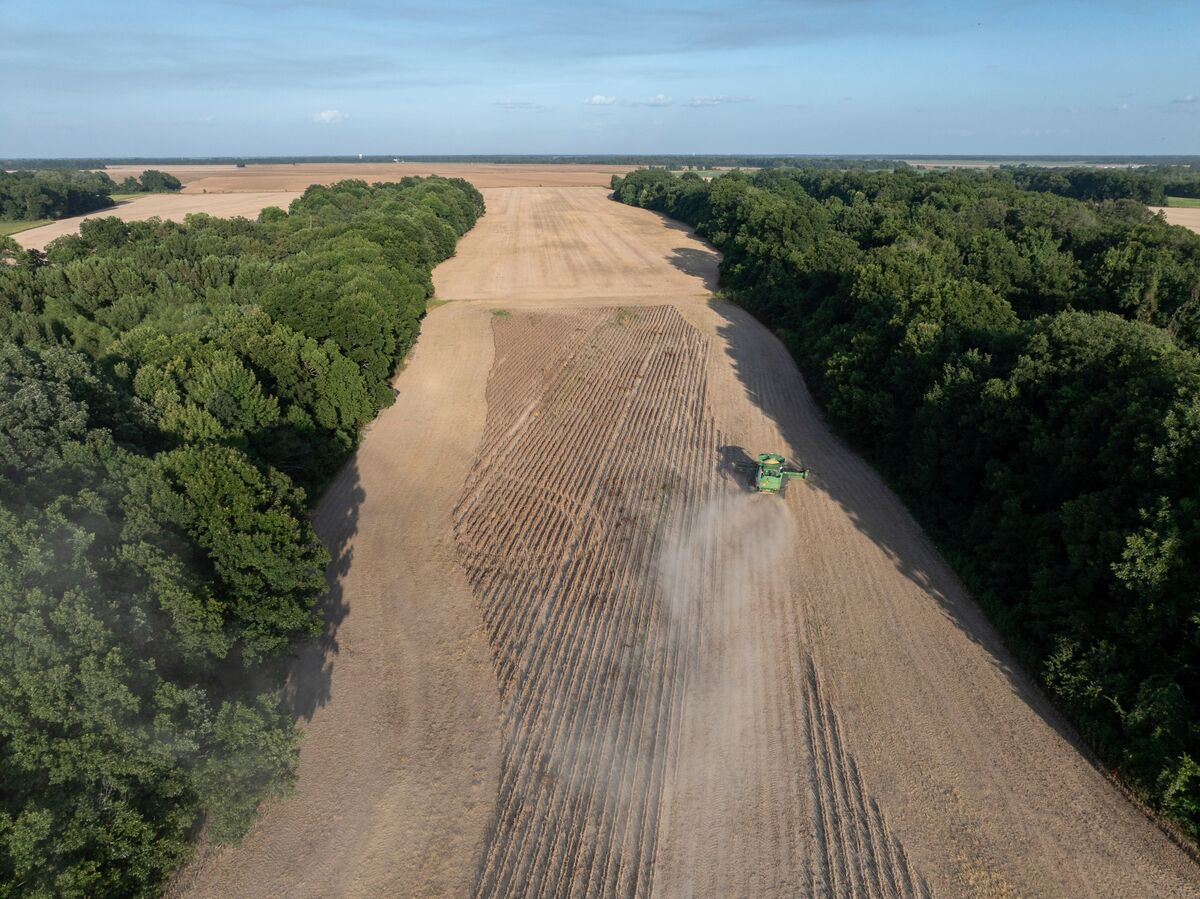
Australian farmers are facing diesel costs more than 50% higher than a year ago as harvesting begins for a crop projected to be the country’s fourth-largest on record, including wheat, barley and canola. Global diesel supplies have tightened amid Strait of Hormuz disruptions stemming from the US-Iran war and Ukrainian attacks on Russian refineries, raising risks to food supplies and inflation.
Analysis
The key market transmission is less a near-term crop-supply shock than a squeeze on farm and logistics margins. A large harvest can cushion grain prices, but it does not eliminate the diesel bill; if growers protect cash flow by selling promptly, that could add near-term grain availability and cap price upside even as delivered-food and freight costs rise. That is a potential divergence: firmer transport-related inflation without an equivalent rally in crop prices.
Over the next 1–3 months, the clearest beneficiary is the middle-distillate complex if physical diesel tightness persists. Refiners with available output could capture stronger product economics, but crude supply disruption, refinery outages, or policy intervention could offset that benefit. Over 6–18 months, sustained fuel costs could reduce growers’ discretionary spending and input intensity, creating a delayed risk to yields and farm-equipment demand; one strong crop does not resolve that risk.
The contrarian point: the food-inflation narrative may overstate the immediate crop-price effect. A substantial harvest is a buffer, while diesel affects transport and production costs across many sectors. Conversely, treating the current diesel premium as durable is risky: a geopolitical de-escalation or recovery in product supply could unwind it quickly. No company-specific earnings conclusion is supportable from the available information.
AllMind Terminal
AI-powered research, real-time alerts, and portfolio analytics for institutional investors.
Request TrialMarket Sentiment
Overall Sentiment
mildly negative
Sentiment Score
-0.35
Key Decisions for Investors
- Consider a small, tactical long in the ULSD-versus-crude refining spread, preferably on a pullback or after confirmation that distillate inventories remain tight. The upside is continued product scarcity; the downside is rapid spread compression if supply normalizes. Exit or reassess if inventories rebuild and the crack spread contracts.
- Avoid chasing wheat or other grain futures solely on this fuel-cost story. The harvest outlook can limit crop-price gains even while freight and food-processing costs rise; reassess if crop estimates deteriorate or export availability tightens.
- Watch for a 1–3 month pass-through into freight, food-processing, and food-retail guidance, while distinguishing transport-cost pressure from higher agricultural commodity prices. Broad food-inflation exposure is less compelling if crop abundance offsets input costs.
- Track geopolitical developments around the Strait of Hormuz and Russian refinery availability as near-term reversal catalysts. A credible easing in disruption, accompanied by improving diesel supply, would invalidate the distillate-tightness trade.
More News
- India’s central bank hikes rates for the first time since 2023 as inflation creeps up
- US stock market hits all-time high as investors bet big on AI
- Oman evacuates injured crew from attacked tanker in Strait of Hormuz
- Oil rises as concerns over Houthi attacks on Saudi Arabia eclipse supply recovery
- Australia top court rules against coal mine expansion, citing climate harm
- Rebounding oil exports through Strait of Hormuz are vulnerable to stepped-up Iranian tanker attacks
From AllMind Research
- Anthropic IPO Preview: Valuation, Timing, and What to Watch
- Shein After the IPO: Venue, Valuation, and What Must Be Proved
- What AI Research Tools Should a Small Hedge Fund Buy First?
- AI in Asset Management: 2026 Statistics That Hold Up
- What is Broker Research and RMS Systems (And How to Actually Use Them)