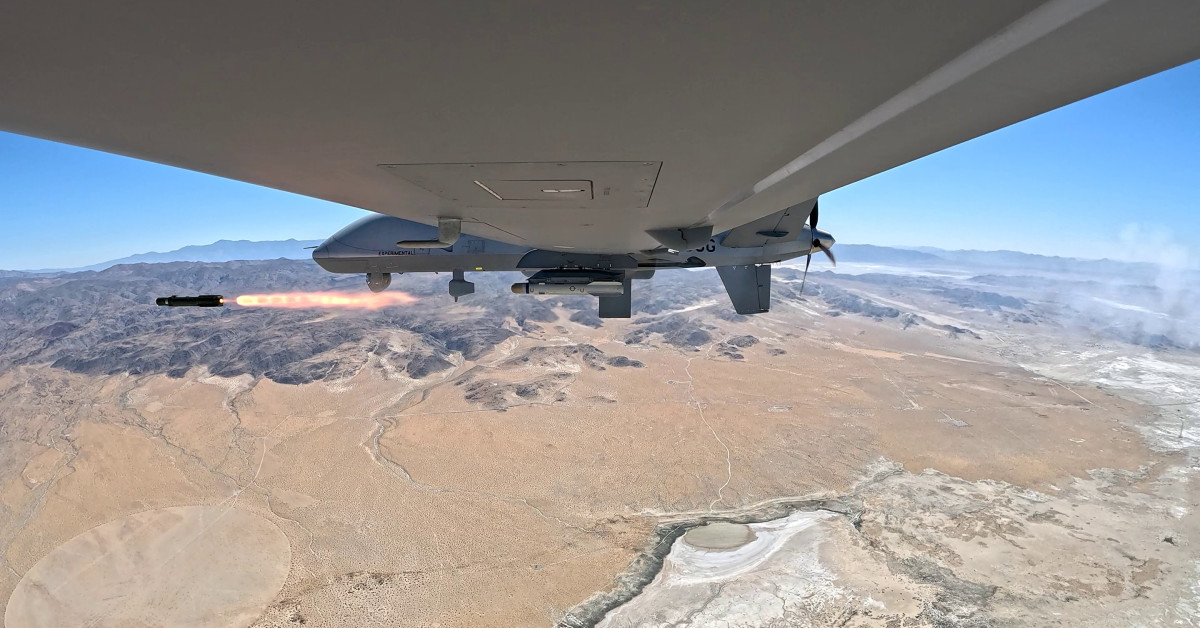
GA-ASI and KONGSBERG completed the System Requirements Review (SRR) and Preliminary Design Review (PDR) for integrating the Joint Strike Missile (JSM) onto the MQ-9B, a jointly funded effort to deliver long-range strike capability. The JSM is described as a fifth-generation stealth air-to-surface missile, and the MQ-9B platform is already flown by multiple defense forces including the UK and Belgium. This is a meaningful program-milestone that should support future MQ-9B/strike sales, though the news provides no financial figures.
The real signal here is not near-term revenue, but validation that uncrewed platforms are evolving from ISR assets into modular weapons carriers. That shifts value creation away from airframe-only suppliers toward firms that can bundle sensors, command-and-control, and certified payload integration; over 6-18 months, the moat is in software, autonomy, and weapons-qualification rather than hull count alone. For listed names, NSKFF gets the cleanest read-through, but the larger implication is a stronger procurement case for the broader unmanned/strike stack, including defense primes with missile content and integration services.
Second-order, this is modestly negative for legacy manned-platform exclusivity in permissive theaters: if customers can buy a long-endurance unmanned striker at lower operating cost, the marginal budget dollar may migrate from expensive crewed patrol/strike hours toward attritable or remotely piloted coverage. The catch is that this only matters if customers actually fund fleet conversions and weapons clearance; SRR/PDR de-risks engineering, not adoption. In the near term, the market is likely to overestimate how quickly this translates into orders, because armed-UAS deployments still face export, sovereignty, and rules-of-engagement friction.
The contrarian view is that the announcement is more about signaling than cash flow, so the stock reaction may be stronger than the fundamental impact. The key falsifier is lack of follow-on procurement or flight-test milestones over the next 1-3 quarters; if no customer-backed integration contract appears, the narrative reverts to a technology demo. The real catalyst would be a named NATO or Indo-Pacific customer adopting an armed MQ-9B configuration, which would expand the addressable market and pressure competing ISR-only drone vendors.
AI-powered research, real-time alerts, and portfolio analytics for institutional investors.
Request TrialOverall Sentiment
mildly positive
Sentiment Score
0.35
Ticker Sentiment
