
The Ethics of Intelligence: Hampton University Builds an AI Ecosystem for a Future Where Access, Data, Opportunity Matter
Source: PR Newswire
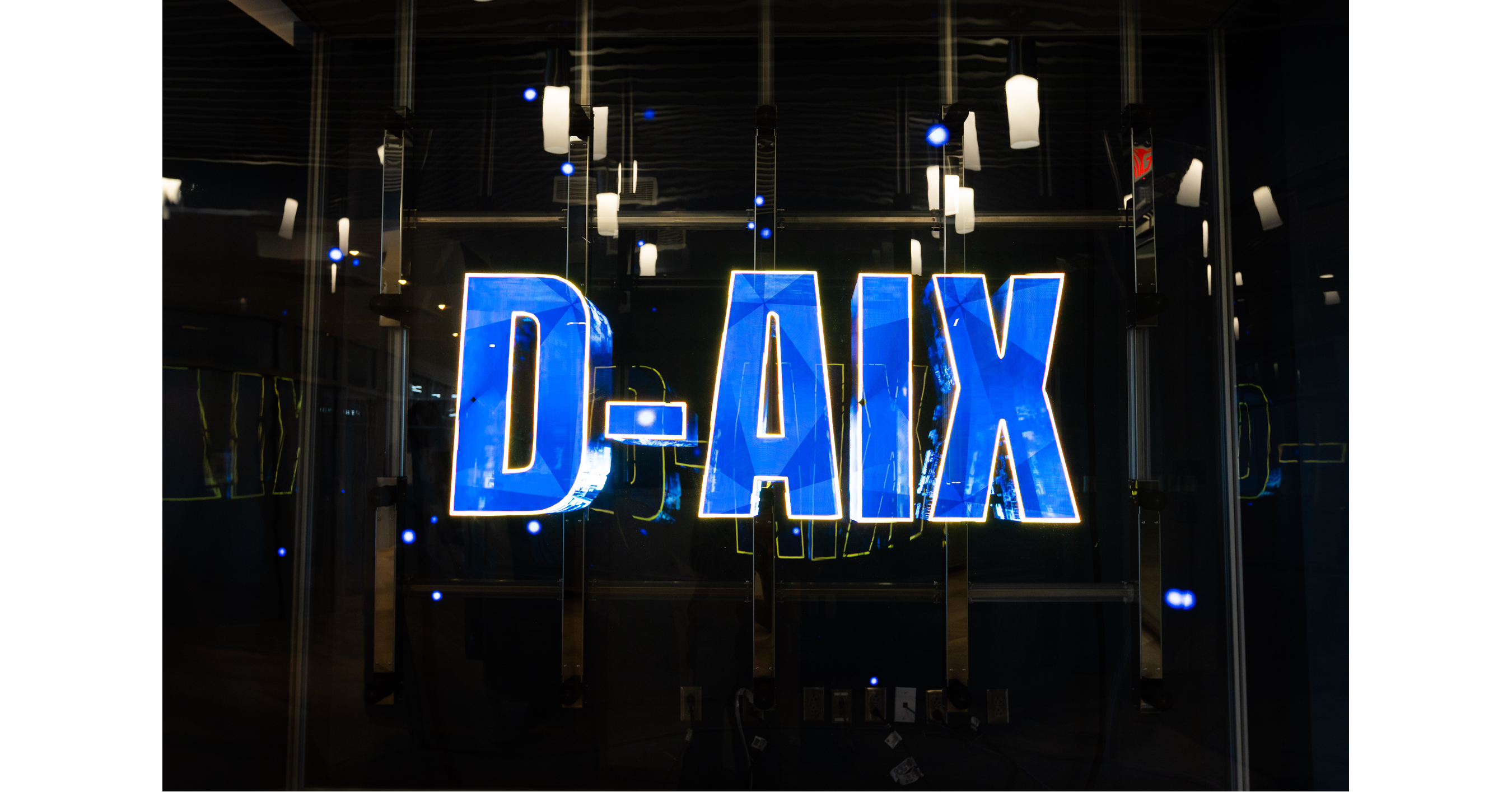
Hampton University in Virginia opened its Digital Artificial Intelligence Immersive Experience (D-AIX) facility on Aug. 18, 2026, aimed at expanding hands-on AI training for students, workers, entrepreneurs, and communities. The university is building additional AI-focused spaces (HTAC planned and a third AI/Advanced Technologies Center of Excellence) and launching AI/ML education and workforce certifications, positioning an HBCU-led approach emphasizing data ethics, representation, and oversight as AI adoption grows alongside Virginia’s data center expansion.
Analysis
The market read-through is less about the university itself and more about who captures the next layer of AI value: not just compute owners, but the firms that supply talent, governance, and implementation capacity. That makes the real second-order winner a broad set of AI-enabling software and infrastructure names that reduce deployment friction over time; by contrast, the listed small-cap names in the data have no obvious fundamental linkage and should not be traded off this headline.
For AAPL, the upside is mostly reputational and ecosystem optionality, not near-term earnings. A university grant and workforce program can reinforce developer loyalty and enterprise goodwill, but it does not move services revenue or iPhone demand in any measurable way over the next quarter. If there is any financial effect, it is a long-dated talent-pipeline benefit that could show up in campus hiring, app development, and education-channel share, not in the next print.
The more interesting structural angle is labor supply for the AI buildout in Virginia: over 6-18 months, better-trained local workers can ease bottlenecks for data-center operators, electrical contractors, cloud adjacency vendors, and compliance/analytics providers. The contrarian point is that consensus keeps treating AI as a pure capex race; this highlights the human-capital constraint, which is where margins can surprise if workforce programs scale. The thesis is falsified if there is no evidence of sustained enrollment, employer partnerships, or state-level hiring absorption by the next 2-3 academic cycles.
AllMind Terminal
AI-powered research, real-time alerts, and portfolio analytics for institutional investors.
Request TrialMarket Sentiment
Overall Sentiment
mildly positive
Sentiment Score
0.15
Ticker Sentiment
Key Decisions for Investors
- No standalone trade in AAPL on this news; treat it as a low-conviction sentiment tailwind only. Falsify the mild-positive view if Apple does not extend the partnership into measurable hiring, curriculum, or software adoption within 1-2 years.
- Do not trade CRMT, SOPA, UNIB, or VABK off this headline; there is no direct earnings or balance-sheet transmission. If these names move, fade the move unless there is separate company-specific disclosure.
- Watch EQIX, DLR, VRT, and ANET as secondary beneficiaries of a tighter AI labor pipeline in Virginia. A long position only becomes attractive if management commentary over the next 1-2 quarters starts to show faster project execution or lower wage pressure; otherwise the impact is too small to underwrite.
- If you want an expression of the contrarian thesis, consider a small long basket of AI infrastructure enablers versus short a generalized AI-beta ETF only after confirmation that workforce programs are translating into hiring and lower delivery friction. Risk/reward is attractive only on evidence, not on the press release.
More News
- Giant Taiwanese chipmaker TSMC confirms it’s in talks with Elon Musk to join ‘Terafab’ complex in Texas: ‘The AI market continues to be very strong’
- Suddenly, Wall Street is worried that the U.S. economy is more ‘vulnerable’ than it looks
- TSMC chip capacity is ‘fierce’ battleground for AI customers, amid record quarter
- Can TSMC earnings help settle AI jitters?
- Apple and Meta team up to make Muse AI model run on Mac computers
- Smartphone shipments plummet as memory crisis pumps up prices