
Synopsys: AI And Ansys Create A Growth Story
Source: seekingalpha.com
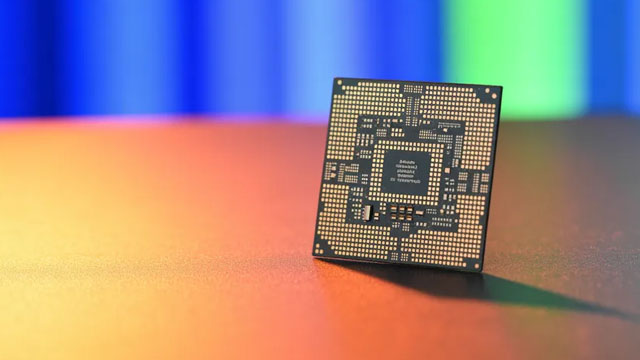
Synopsys received a buy rating after Q3 FY26 revenue rose to $2.477B and non-GAAP EPS reached $3.91, supported by AI-driven growth in chip-design complexity. Design Automation accounted for more than 80% of sales, while the Ansys acquisition expands Synopsys's addressable market into system-level modeling. The combined company's Multiphysics Fusion technology is positioned as a longer-term growth driver beyond traditional electronic design automation.
Analysis
The investable issue is whether SNPS can convert a broader simulation stack into higher wallet share rather than merely absorb a large software asset. If sales teams bundle verification, physical design and multiphysics workflows into multi-year enterprise licenses, incremental revenue should carry high gross-margin characteristics and improve switching costs at automotive, aerospace and advanced-packaging customers. The less obvious competitive pressure falls on Siemens Digital Industries Software and Cadence (CDNS): both must defend cross-domain engineering budgets, not just EDA seats, potentially raising R&D and discounting intensity over the next 12-18 months.
Near term, the stock will trade on evidence that post-deal execution is not diluting the historic EDA margin and cash-conversion profile. The key 1-3 month catalyst is management disclosure of cross-sell bookings, renewal rates, synergy realization and net leverage trajectory; revenue alone is insufficient because acquired simulation revenue can mask weak organic design-start demand. A miss on operating-margin progression, deferred-revenue conversion, or large-customer concentration would challenge the premium-quality multiple faster than a modest top-line miss.
Consensus may be underestimating the duration of system-level design demand as AI compute moves from monolithic chips toward chiplets, advanced packaging, power delivery and thermal constraints. Conversely, it may be overestimating immediate AI monetization: engineering-tool adoption is governed by qualification cycles and workflow integration, so material bundle penetration is more likely a 6-18 month outcome than a single-quarter step-up. The principal downside is a semiconductor design-start slowdown or integration friction that lets CDNS use price and open-flow partnerships to defend accounts.
AllMind Terminal
AI-powered research, real-time alerts, and portfolio analytics for institutional investors.
Request TrialMarket Sentiment
Overall Sentiment
moderately positive
Sentiment Score
0.68
Ticker Sentiment
Key Decisions for Investors
- Accumulate SNPS only on post-earnings weakness or after evidence of stable organic Design Automation growth and operating-margin expansion; target a 6-12 month holding period. A 10-15% upside case requires credible cross-sell and synergy disclosures, while exit/reduce if management cuts full-year margin or cash-flow expectations rather than attributing weakness solely to purchase accounting.
- Express the relative thesis as long SNPS / short CDNS in equal dollar amounts over 6-12 months if SNPS demonstrates system-level bundle bookings while CDNS fails to show comparable multiphysics or packaging-led growth. This isolates broad semiconductor-design spending; close the spread if CDNS accelerates enterprise contract growth or SNPS reports material integration-related customer churn.
- Do not chase a standalone AI multiple expansion before the next earnings call. Set an alert for disclosures on net debt, interest expense, restructuring costs and deferred-revenue performance; deterioration in any of these metrics would indicate that acquisition economics are consuming more of the expected synergy than the market currently discounts.
- For downside protection around the next results, holders can consider a 3-6 month SNPS put spread financed only if implied volatility is below the stock's prior earnings-move range. The catalyst is margin, cash-conversion, or guidance risk rather than a binary revenue miss; avoid the structure if option pricing already embeds an outsized post-earnings move.
More News
- Investing.com’s stocks of the week
- Mark Ruffalo says Paramount’s $111 billion Warner Bros. deal ‘Will stifle creativity, weaken free speech, and cost people their jobs’
- David Ellison says combined Paramount and Warner Bros. Discovery will be named Skydance
- Anthropic warns government attitudes may hurt customer ties, IPO prospectus shows: Reuters
- Paramount and Warner Bros Discovery to become Skydance
- Stocks remain under the thrall of higher yields and higher oil. Here's what's ahead