
A Crisis at an Australian Builder Is Jolting Private Lenders
Source: Bloomberg
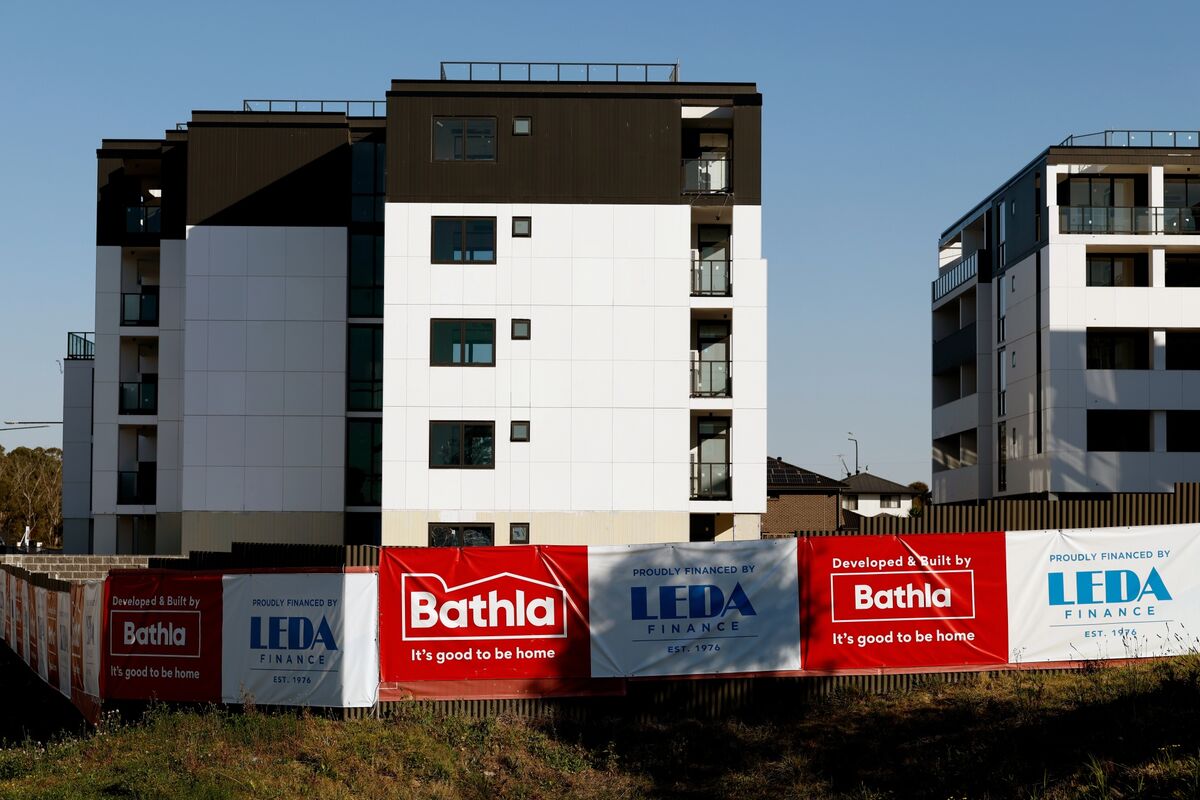
The collapse of Sydney property developer Bathla Group is spooking private lenders, raising concerns that homebuyers’ apartments may not be completed and that lenders are owed “billions of dollars.” The news spotlights risks in the booming but opaque private credit market used to finance builders’ expansion, worsening investor sentiment around exposure to real-estate-linked private lending.
Analysis
This is less about one weak borrower than a forcing event for the entire shadow-lending channel. When a development loan goes bad in a thin, opaque market, the first repricing is not in the lender’s reported NAV but in funding terms: higher haircuts, fewer warehouse lines, and more conservative loan-to-value assumptions across the next vintage of deals. The immediate beneficiaries are the institutions with cheap deposits and transparent underwriting — the large banks — because every stressed private-credit exit pushes incremental share back toward balance-sheet lenders.
The second-order loser set is broader than the obvious credit funds: construction contractors, apartment-adjacent suppliers, and smaller developers that rely on rollover financing. If completion risk becomes a headline feature, presales weaken, which can slow new starts and hit earnings momentum for homebuilders and building-materials names over the next 1-3 quarters. For listed property and bank hybrids, the key transmission is confidence, not direct exposure; once investors question collateral marks, they start demanding a risk premium everywhere that illiquidity is being sold as yield.
The contrarian take is that this may still be idiosyncratic unless we see multiple enforcement actions or forced sales in unrelated books. If senior lenders are largely protected and losses sit in equity/mezzanine tranches, the selloff in private-credit proxies could be overdone. What would falsify the contagion thesis is a clean workout, stable redemption flows, and no widening in comparable development-finance spreads over the next 4-8 weeks.
AllMind Terminal
AI-powered research, real-time alerts, and portfolio analytics for institutional investors.
Request TrialMarket Sentiment
Overall Sentiment
moderately negative
Sentiment Score
-0.55
Key Decisions for Investors
- Long major Australian banks vs. short a basket of private-credit / non-bank property lenders for 1-3 months; thesis is funding-cost divergence and market-share migration back to deposit-funded lenders.
- Reduce exposure to Australian residential developers and building-materials names for the next 1-2 quarters; the risk is delayed project starts and weaker presale conversion if financing standards tighten.
- Set a watch item on credit spread behavior and fund redemptions: if development-finance spreads fail to widen after the next disclosure cycle, the contagion trade is likely overdone.
- If using options, buy short-dated protection on Australia-facing financials only on confirmation of a second similar blowup; otherwise the setup is more a relative-value trade than a broad market short.
More News
- Christine Lagarde: IMFC Statement
- Palantir patient data tech rejected by many NHS trusts in England
- Why did CoreWeave stock get crushed this week? Look to this corner of the debt market for clues
- Diageo's Toxic Spill Hits Pristine River in Scottish Whisky Country
- AI stock sell-off ramps up over debt-fueled data center spending fears: ‘Full-blown crisis of confidence'
- Wall Street Anxiety Spreads as AI Rout Meets $110 Oil Shock