
La conférence RT2026 de la RSPO aborde les incendies en Indonésie, le Guichet unique d'exportation et l'inclusion des petits exploitants
Source: PR Newswire
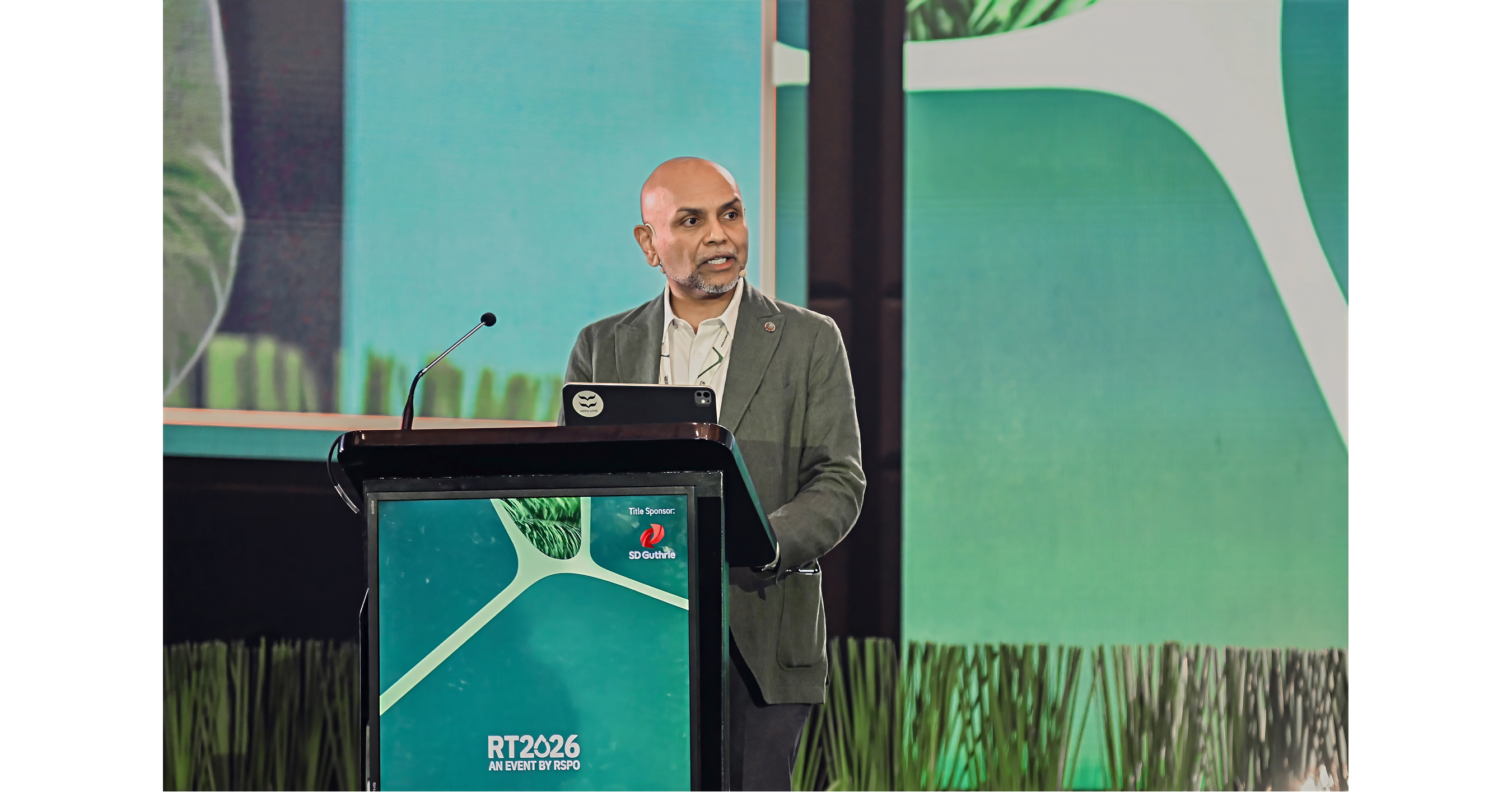
Indonesian fires burned more than 1.9 million hectares from January to September 2026, while preliminary satellite data attributed 14,500 hectares—about 0.8% of the national burned area—to RSPO-certified concessions; the RSPO said no fires were recorded on certified independent smallholder plots and reported no evidence that a certified unit deliberately started fires. RT2026 recognized 45 newly certified smallholder groups and highlighted credit buyers including Kao, Nestlé and Unilever. State export intermediary DSI says its model, scheduled to launch in January 2027, will support export continuity and traceability while buyers and sellers retain direct commercial relationships. Overall, the article combines severe fire damage and export-system changes with claims of comparatively lower fire exposure at certified concessions; it reports no market reaction.
Analysis
The key market issue is not the RSPO messaging but whether Indonesia’s proposed export intermediation becomes a genuine traceability layer or a new operational chokepoint. If DSI can reconcile shipment, origin and sustainability data without delaying clearance, certified supply may gain relative access with multinational buyers; if onboarding, documentation or allocation becomes cumbersome, exporters with weaker systems—and ultimately buyers needing reliable feedstock—could face delays and wider origin differentials. January 2027 launch is the near-term catalyst; implementation rules and pilot processing times matter more than stated intent.
The fire statistics are not yet proof of lower fire risk per hectare: the cited 0.8% compares burned area in certified concessions with national burned area, without providing the certified-land denominator, severity, or a matched control. Satellite attribution and subsequent investigations could therefore alter the reputational conclusion. El Niño-related crop and logistics disruption can also tighten supply with a lag, regardless of certification status, supporting palm-oil price volatility over the next 1–3 months if output estimates deteriorate.
For UL and NESN, RSPO credit purchases are a weak near-term earnings signal: credit buying does not establish physical segregation, material procurement coverage, or a meaningful cost burden. The contrarian risk is that investors treat certification as an automatic shield from fire-related scrutiny, while buyers may increasingly demand shipment-level evidence. Structural upside for certified smallholders depends on recurring credit demand and realized farmer proceeds, neither quantified here.
AllMind Terminal
AI-powered research, real-time alerts, and portfolio analytics for institutional investors.
Request TrialMarket Sentiment
Overall Sentiment
mixed
Sentiment Score
0.10
Ticker Sentiment
Key Decisions for Investors
- No immediate UL or NESN position on this announcement. Treat the credit awards as reputational evidence, not proof of lower input costs or fully traceable physical supply; revisit only with disclosed credit volumes, procurement coverage and sourcing-cost effects.
- Set a January 2027 DSI implementation alert: track licensing/documentation requirements, pilot clearance times, export volumes and Indonesia-versus-Malaysia origin basis. Consider a relative long Malaysian-origin exposure versus Indonesian-origin exposure only if verifiable Indonesian delays or basis widening emerge; unwind if throughput remains smooth and differentials do not widen.
- Monitor Indonesian rainfall, satellite fire updates and palm-oil production estimates over 1–3 months. A worsening crop outlook could support palm-oil prices but also raise feedstock costs for consumer-goods buyers; falsify the tightening thesis if production estimates stabilize and export flows remain uninterrupted.
- Treat the RSPO fire claim as provisional. Before assigning a valuation premium, seek certified-concession area and matched-control data, independent fire attribution, and follow-up investigation outcomes; a material fire incident on certified land or weak enforcement would undermine the credibility premium.
More News
- JPMorgan reiterates Unilever stock rating on growth targets
- China Blocks SoftBank Acquisition of ABB Robot Unit, FT Says
- After the midterms, a bigger clash over data centers could be coming
- China’s Copper Squeeze Deepens as Buyers Scramble for Spot Metal
- Inside the chip talent war: Trade secrets and rising Chinese rivals
- Oil falls for a fourth day on expectations for lower risk of Iran war escalation