
HiTHIUM Launches Next-Generation Integrated Sodium-Ion Energy Storage Solution to Accelerate Sodium-Ion Industrialization
Source: PR Newswire
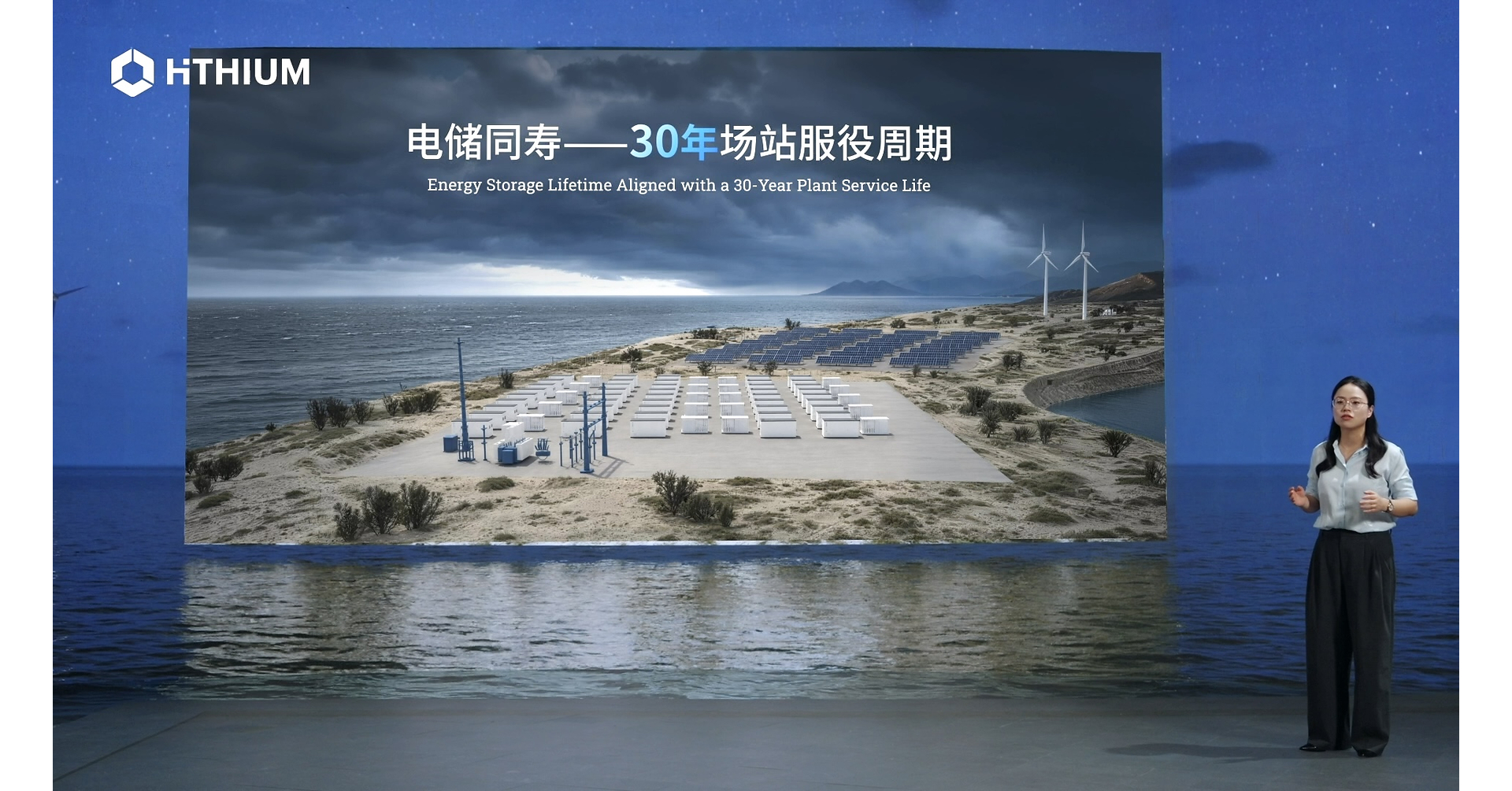
HiTHIUM launched its ∞Power N4.0MWh sodium-ion storage system, built around a 785Ah cell with a claimed 20,000-cycle life and 30-year designed system service life; full-scale production and deliveries are planned for 2027. The system targets more than 88% 24-hour efficiency, a 30% smaller station footprint, over 20% higher PCS rated-power utilization versus HiTHIUM's prior sodium-ion system, and 30% lower operating auxiliary power consumption. The company is positioning sodium-ion technology as a scalable, resource-secure alternative for utility, commercial, residential and energy-access storage, with a long-term LCOS target of RMB0.1/kWh.
Analysis
The relevant read-through is not to HiTHIUM’s equity proxy—NXTT does not appear to be an operatingly linked listed vehicle—but to stationary-storage chemistry pricing. If sodium-ion reaches bankable project economics, it pressures LFP cell pricing and supplier margins more than it displaces EV batteries: grid projects value delivered lifetime kWh, safety, and availability over volumetric density. CATL (300750.SZ), BYD (1211.HK), and dedicated storage integrators such as FLNC and STEM face differing outcomes: scaled cell makers can internalize the chemistry shift, while integrators benefit only if lower cell cost is not competed away through EPC bids.
The key second-order loser is lithium demand growth at the margin, particularly the portion tied to 2–8 hour stationary storage. That is structurally negative for ALB and SQM only if developers accept sodium-ion warranty performance and lenders assign comparable availability guarantees; a claimed long service life is not equivalent to field-validated degradation, insurance coverage, or financing eligibility. Near-term lithium pricing should remain governed by EV utilization and Chinese supply discipline, making this announcement insufficient to alter 2026 estimates.
The 1–3 month catalyst is competitor disclosure of sodium-ion order books, third-party round-trip-efficiency tests, and announced project financing rather than laboratory specifications. Over 6–18 months, a credible decline in stationary-storage LCOS would expand total storage deployments and could ultimately be volume-positive for PCS/inverter suppliers such as Sungrow (300274.SZ) and Nextracker (NXT), even as battery-cell ASPs fall. Consensus may overstate immediate lithium substitution: commercial delivery, grid-code qualification, and lender acceptance typically lag product launches by multiple project cycles.
AllMind Terminal
AI-powered research, real-time alerts, and portfolio analytics for institutional investors.
Request TrialMarket Sentiment
Overall Sentiment
strongly positive
Sentiment Score
0.58
Key Decisions for Investors
- No position in NXTT on this release; verify corporate linkage, revenue exposure, and liquidity before treating it as a HiTHIUM proxy.
- Set a 2027 watch trigger for ALB/SQM: become tactically bearish only if independently financed sodium-ion projects demonstrate comparable availability and all-in LCOS below LFP alternatives for two consecutive quarters. The falsifier is continued LFP cost decline or sodium-ion projects requiring a material warranty/financing premium.
- Prefer a 6–18 month basket long in grid-enablement names with chemistry-agnostic volume exposure—NXT and selected PCS suppliers—over pure-play cell-margin exposure, contingent on storage interconnection and order backlog growth. Exit if lower battery prices fail to convert into higher deployment volumes.
- For FLNC/STEM, avoid extrapolating cell-cost deflation into equity upside until gross-margin guidance shows that procurement savings are retained rather than passed through to customers; the primary risk is competitive EPC repricing.
More News
- Oil extends losses as Saudi Arabia reportedly offers ship-to-ship crude transfers after pipeline hit
- Japan’s corporate leaders sound alarm over weak yen — even dollar-earners are voicing concerns
- US military claims Strait of Hormuz remains open amid ongoing blockade
- Oil prices extend losses as fears of Middle East supply disruptions ease
- Congress passes sweeping US sanctions bill targeting Russia
- US official says upcoming spectrum auctions could generate more than $100 billion