
Inspired by Life, Powered by AI: TCL Redefines Everyday Experiences at IFA 2026
Source: PR Newswire
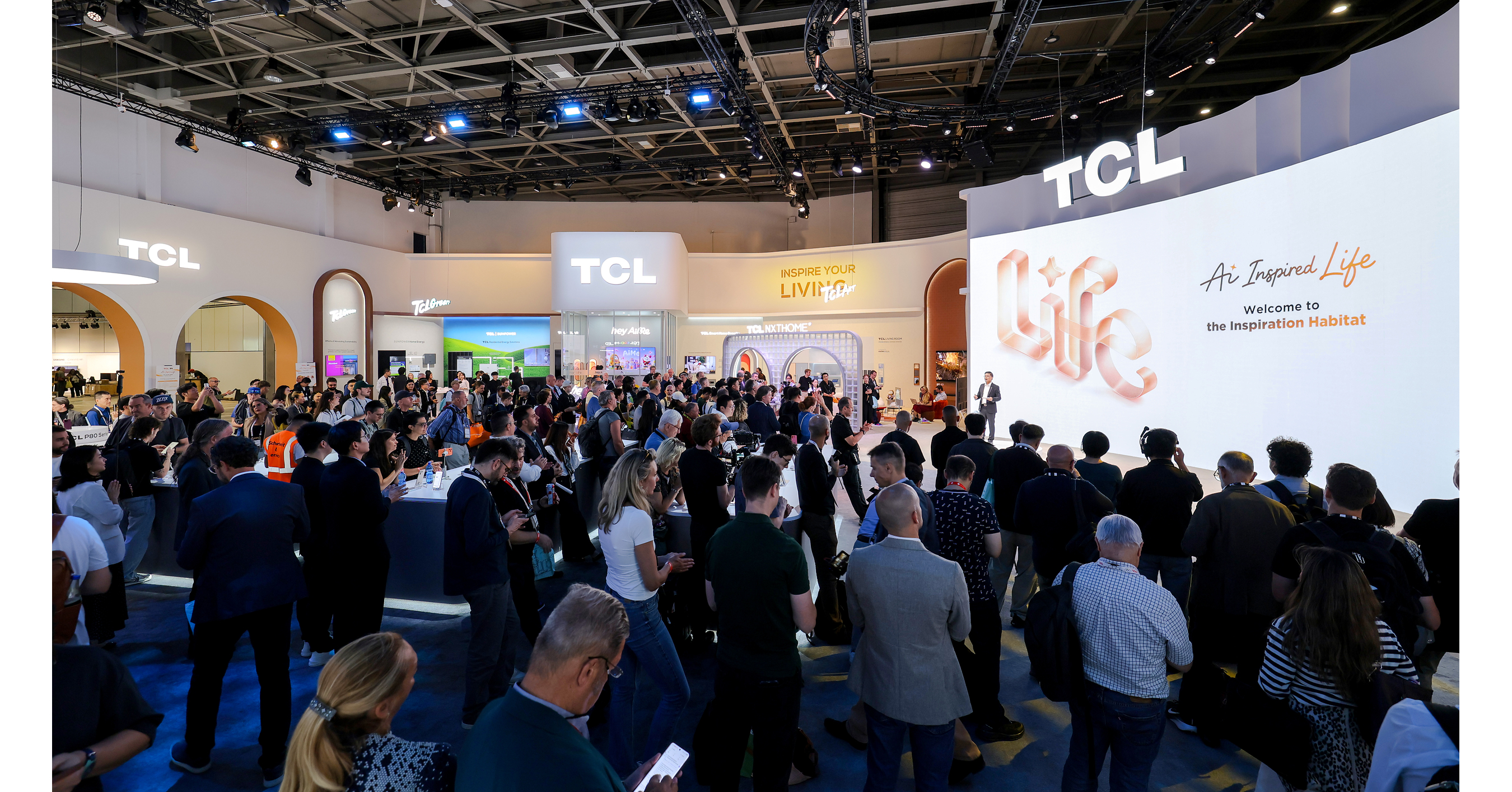
TCL used IFA 2026 to unveil its “AI Inspired Life” concept via the TCL Inspiration Habitat, positioning AI as an integrated layer across TVs, phones, home appliances, smart locks, and a family companion robot. Product highlights include the TCL X11L SQD-Mini LED TV with up to 20,736 dimming zones, up to 10,000 nits HDR brightness, and up to 100% BT.2020, plus home/efficiency claims such as the FreshIN 3.0 Ultra AC delivering up to 37% additional energy savings. TCL also expanded Gemini for Google TV to more countries/languages and showcased its TCL P80 Ultra smartphone with a 50MP 3x periscope telephoto camera and up to 3,200 nits display brightness.
Analysis
This is more ecosystem positioning than a near-term earnings event. The only material public-market read-through is incremental distribution for Google TV/Gemini, which marginally strengthens GOOGL’s consumer AI footprint and makes the living-room screen a better funnel for future intent capture. But the monetization path is still indirect: unless this translates into measurable search, YouTube, or ad-engagement uplift, the financial impact is likely immaterial over the next 1-3 quarters.
Competitive dynamics favor platforms that can own the default voice/discovery layer in the home. That is a modest negative for Roku/Amazon’s Fire TV ecosystem over 6-18 months if OEMs keep leaning into Google TV, but the more important second-order effect is that TV OEMs are trying to avoid pure hardware commoditization by attaching software/services. That usually pressures margins at the device layer while benefiting the platform owner with near-zero manufacturing risk.
The contrarian view is that the market tends to overprice “AI everywhere” demos as if they are revenue catalysts. In consumer electronics, feature launches often create buzz but only become P&L-relevant after channel inventory, regional certification, and usage persistence are proven. For GOOGL, the key falsifier is not the press cycle; it is whether Google TV engagement metrics and assistant usage appear in disclosures or commentary over the next two earnings calls. Absent that, this should fade into background noise rather than a tradeable fundamental change.
Best risk/reward is to treat this as a watchlist catalyst, not a conviction position. If there is a trade, it is only a small relative-value expression versus connected-TV peers, because the upside to GOOGL is limited while the downside is basically nil unless adoption disappoints or partners drift back toward rival operating systems.
AllMind Terminal
AI-powered research, real-time alerts, and portfolio analytics for institutional investors.
Request TrialMarket Sentiment
Overall Sentiment
mildly positive
Sentiment Score
0.12
Ticker Sentiment
Key Decisions for Investors
- No outright trade in GOOGL on this release alone; keep it on a watchlist for the next 1-2 earnings calls and only upgrade if Google discloses measurable uplift in Google TV engagement, YouTube watch time, or AI assistant usage.
- Relative-value idea: small long GOOGL / short ROKU basket for 1-3 months, betting that OEM distribution partners increasingly prefer Google TV as the default discovery layer; stop if Roku reports accelerating platform monetization or partner losses stabilize.
- If you want optionality, buy a very small GOOGL call spread into the next earnings date only if there is follow-through evidence from additional OEM announcements; otherwise the press-release signal is too weak to pay up for gamma.
- Use ROKU and AMZN Fire TV as the practical falsifiers: if either platform shows stronger connected-TV share commentary or distribution wins in the next quarter, the thesis that Google TV is gaining share should be scaled back.
- Avoid chasing consumer-electronics suppliers on this headline; the feature stack is more likely to compress OEM economics than expand them, so any hardware beneficiary trade needs actual sell-through data, not launch-stage marketing.
More News
- AI stocks plunge. Inflation heats up. Where we're still finding opportunities
- Bending Spoons wants to revive software castoffs. Berkshire is backing the plan
- AI rapidly improving, could vastly boost U.S. GDP, Anthropic's Clark tells policymakers
- ‘How many canaries have we killed in the coal mine?’ — Wall Street debates if the latest AI bubble warnings are another head fake or the real thing
- Semiconductor market to remain solid ‘at least through next year,’ South Korea finance minister says
- Nasdaq Index: AI Selloff Deepens as Chips and CoreWeave Break