
Australia cost of living, KPMG under pressure, Bathla Podcast
Source: Bloomberg
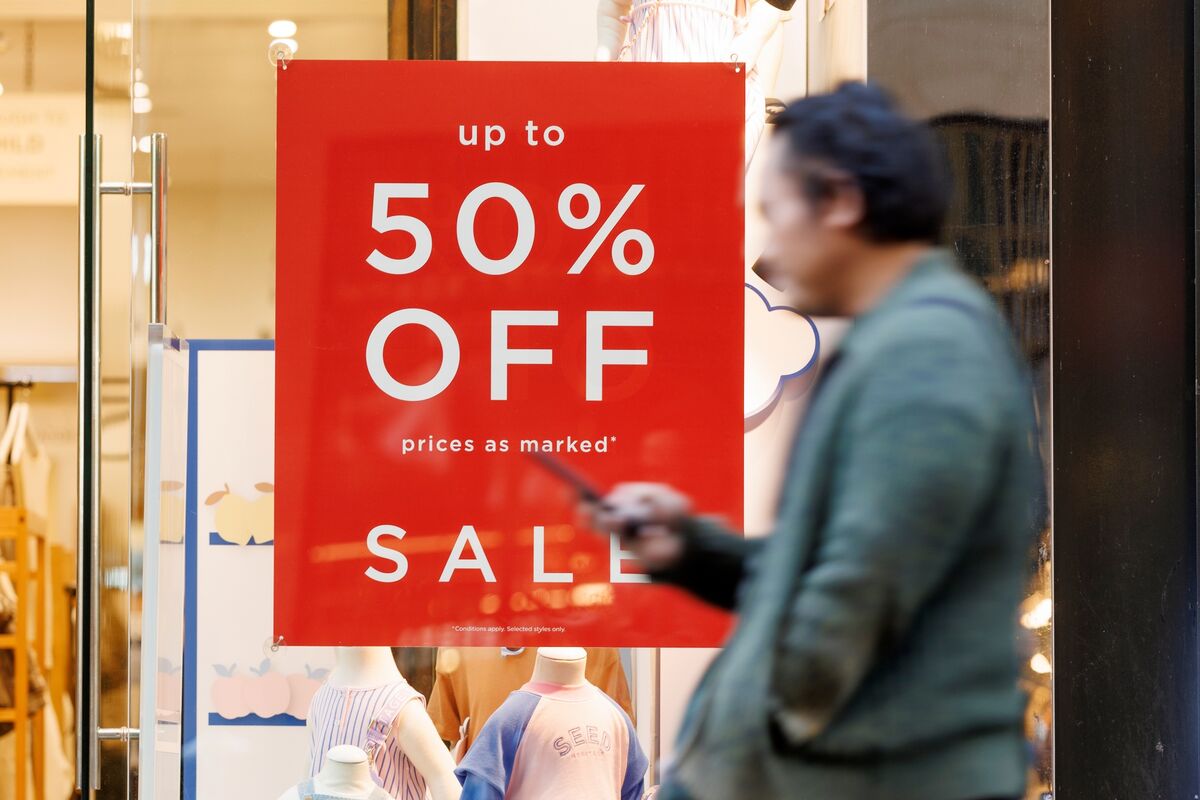
Retailers are seeing bargain-focused demand as cost-of-living pressures persist, with Coles own-label sales up 6.1% and Woolworths’ up 5.5%. The article notes housing weakness is keeping households selective, and about one in three Coles shoppers now buys its own-label products. Kmart is described as resilient, implying weaker broad spending but some support for value-oriented retailers.
Analysis
The key market mechanism is not simply “weak consumers,” but a re-pricing of basket composition. When households trade down, the retailers with the best value architecture and private-label penetration can actually preserve or expand gross margin through supplier leverage, while branded CPG suppliers and premium-format retailers absorb the volume/mix hit. In Australia, that favors the larger grocery operators with scale in sourcing and loyalty data; it also raises the odds of shelf rationalization and tougher terms for vendors over the next 1-3 quarters.
Within the two names here, the cleaner relative setup still looks like Coles versus Woolworths. If the trade-down cycle persists, the company with stronger own-brand attachment and clearer value perception should compound better through mix even if nominal sales growth stays subdued. The risk is that this becomes a “good news, low growth” sector where valuation multiple expansion is capped because investors start to focus on category maturity rather than defensive earnings quality.
The contrarian view is that the consensus may be over-reading consumer stress as purely negative: in grocery, stress can be accretive if it shifts share to the right operator. What would falsify that thesis is evidence of promo intensity rising enough to compress margins, or a rebound in branded mix that signals households are normalizing faster than expected. On a 6-18 month horizon, easing rate pressure would likely slow the trade-down effect, but not reverse the structural habit formation around value.
AllMind Terminal
AI-powered research, real-time alerts, and portfolio analytics for institutional investors.
Request TrialMarket Sentiment
Overall Sentiment
mildly negative
Sentiment Score
-0.15
Ticker Sentiment
Key Decisions for Investors
- Initiate a modest relative-value long CLEGF / short WLWHY pair for 3-6 months; thesis is superior value architecture and private-label mix should support more resilient earnings revisions. Stop if Woolworths shows two consecutive quarters of faster same-store sales and margin stabilization versus Coles.
- Use any broad selloff in Australian staples to add to CLEGF on weakness rather than chasing strength; the near-term catalyst is next earnings commentary on mix, not headline traffic. Risk/reward improves if the spread widens on margin guidance rather than on volume alone.
- Avoid outright bullish exposure to the broader Australian consumer discretionary complex for now; trade-down behavior usually pressures premium baskets first. Reassess only if wage growth or rate cuts lift discretionary spend enough to show up in basket size and branded mix within 1-2 quarters.
- Watch supplier-side names and branded food exposure for downside alerts; rising private-label share is a margin headwind for vendors even when supermarkets look stable. If private-label penetration accelerates again next print, consider increasing the relative short against branded suppliers.
More News
- Iran says two tankers catch fire after hitting mines in Strait of Hormuz
- AI stocks plunge. Inflation heats up. Where we're still finding opportunities
- Bending Spoons wants to revive software castoffs. Berkshire is backing the plan
- ‘How many canaries have we killed in the coal mine?’ — Wall Street debates if the latest AI bubble warnings are another head fake or the real thing
- The Iran war has cost the average U.S. household the equivalent of almost $2,000, and the energy portion goes up $50 a week, top economist says
- Nasdaq Index: AI Selloff Deepens as Chips and CoreWeave Break