
Bank of Japan Hikes Interest Rates in a Split Vote; Yen Drops
Source: Bloomberg
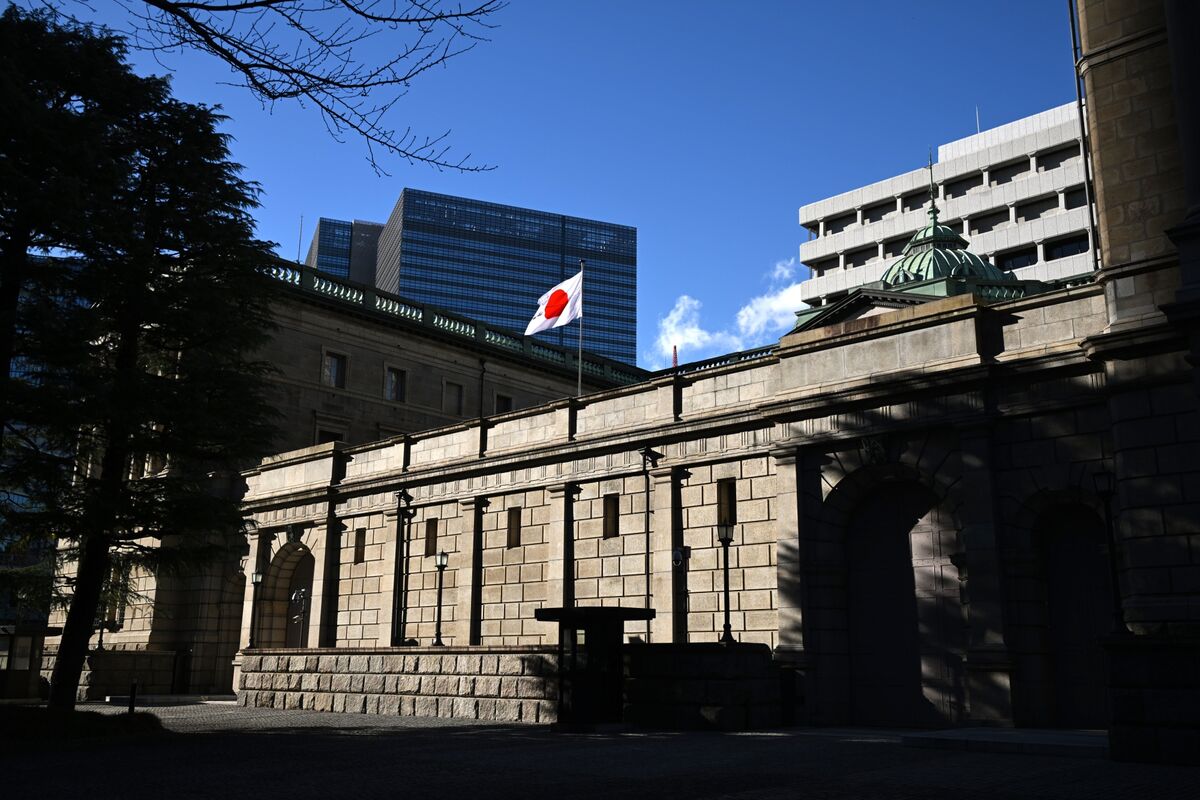
The Bank of Japan raised its key policy rate by 25bps to 1.25% in a split vote, while two dissenting votes cast doubt on the pace of additional tightening and pushed the yen lower. Economists expect the ECB to wait until December for another rate increase aimed at containing inflation. Risk sentiment remained broadly supportive as falling oil prices and optimism on inflation lifted Asian equities and US index futures, although European shares pointed modestly lower.
Analysis
The market signal is not the nominal rate level but the reaction function: a weaker yen after a hike implies investors are pricing a shallow terminal rate and continued carry-trade viability. Near term, this supports global duration and high-beta assets funded in yen, while pressuring Japanese importers less than a sustained tightening cycle would. The most immediate transmission is through USD/JPY: renewed upside would improve translated earnings for Japanese exporters such as Toyota (TM), Sony Group (SONY), and Nintendo (NTDOY), but raises the risk of official FX-verbal intervention if the move becomes disorderly.
For Japanese financials, the split decision creates a more nuanced setup than a simple "higher rates are bullish banks" trade. Megabanks (MUFG, SMFG, MFG) retain structural asset-yield tailwinds over 6-18 months, but their share-price upside now depends on whether the next 1-3 months produce a steeper JGB curve rather than just another modest policy move. A weak yen also keeps imported inflation alive, which could ultimately force a more aggressive path; that is the key upside catalyst for banks and the principal downside risk to long Japanese equities broadly.
Consensus may be underweight the convexity of a carry unwind rather than the probability of its immediate occurrence. Low realized FX volatility can encourage rebuilt leveraged yen shorts, leaving risk parity, EM carry, and richly valued US technology exposed if wage/inflation data revive expectations of a faster normalization. The trade is therefore to own exporters selectively while treating USD/JPY strength as a hedgeable macro condition, not a permanent easing signal.
Falsification: USD/JPY failing to hold its post-decision range alongside a material rise in Japanese 2-year yields would indicate markets are repricing a faster hiking path. Conversely, softer Japanese wage/underlying inflation data and stable long-end JGB yields would validate the gradual-normalization view and extend the exporter/carry window.
AllMind Terminal
AI-powered research, real-time alerts, and portfolio analytics for institutional investors.
Request TrialMarket Sentiment
Overall Sentiment
mixed
Sentiment Score
0.05
Key Decisions for Investors
- Initiate a 1-3 month long TM / short EWJ pair: TM has direct yen-translation and overseas revenue leverage, while the short broad-Japan leg reduces domestic-rate sensitivity. Target 5-8% relative return; exit if USD/JPY reverses materially and Japanese 2-year yields rise sharply.
- Accumulate MUFG and SMFG on weakness for a 6-18 month horizon, preferably versus a short JPY-hedged Japanese exporter basket if available. The thesis requires continued curve steepening and improving net interest income guidance; cut if management signals deposit-cost pass-through is eliminating NIM expansion.
- Maintain modest long USD/JPY exposure through 2-3 month call spreads rather than spot leverage. This captures continued carry demand while capping intervention/tightening-tail losses; reassess immediately if Japanese wage or core inflation releases materially exceed consensus.
- For global portfolios with large Nasdaq/EM carry exposure, buy 1-3 month downside hedges in QQQ or EEM rather than de-risking outright. The hedge is intended for a yen-funded deleveraging shock; it should be removed if FX volatility remains contained and Japanese rate expectations stabilize.
More News
- Why Japanese stocks rose as government bond yields and the yen fell after rate hike
- Japan's Central Bank Hikes Rates in Split Decision
- European stocks snap two-week slide as Fed resolve
- Traders Wary Of Rising AI Risks: Market Snapshot
- Bank of Japan raises interest rates to 31-year high, flags concerns over inflation
- Barclays backs November BoE hike, warns Middle East conflict could spur more
From AllMind Research
- Anthropic IPO Preview: Valuation, Timing, and What to Watch
- Shein After the IPO: Venue, Valuation, and What Must Be Proved
- What AI Research Tools Should a Small Hedge Fund Buy First?
- What Is an AI Investment Research Platform?
- What Exactly Does Post-Training in LLMs and Finance-Focused AI Actually Mean for Asset Managers?