
ACTRA Opens Early Bird Access in the U.S., Bringing Personal AI Beyond the Smartphone
Source: PR Newswire
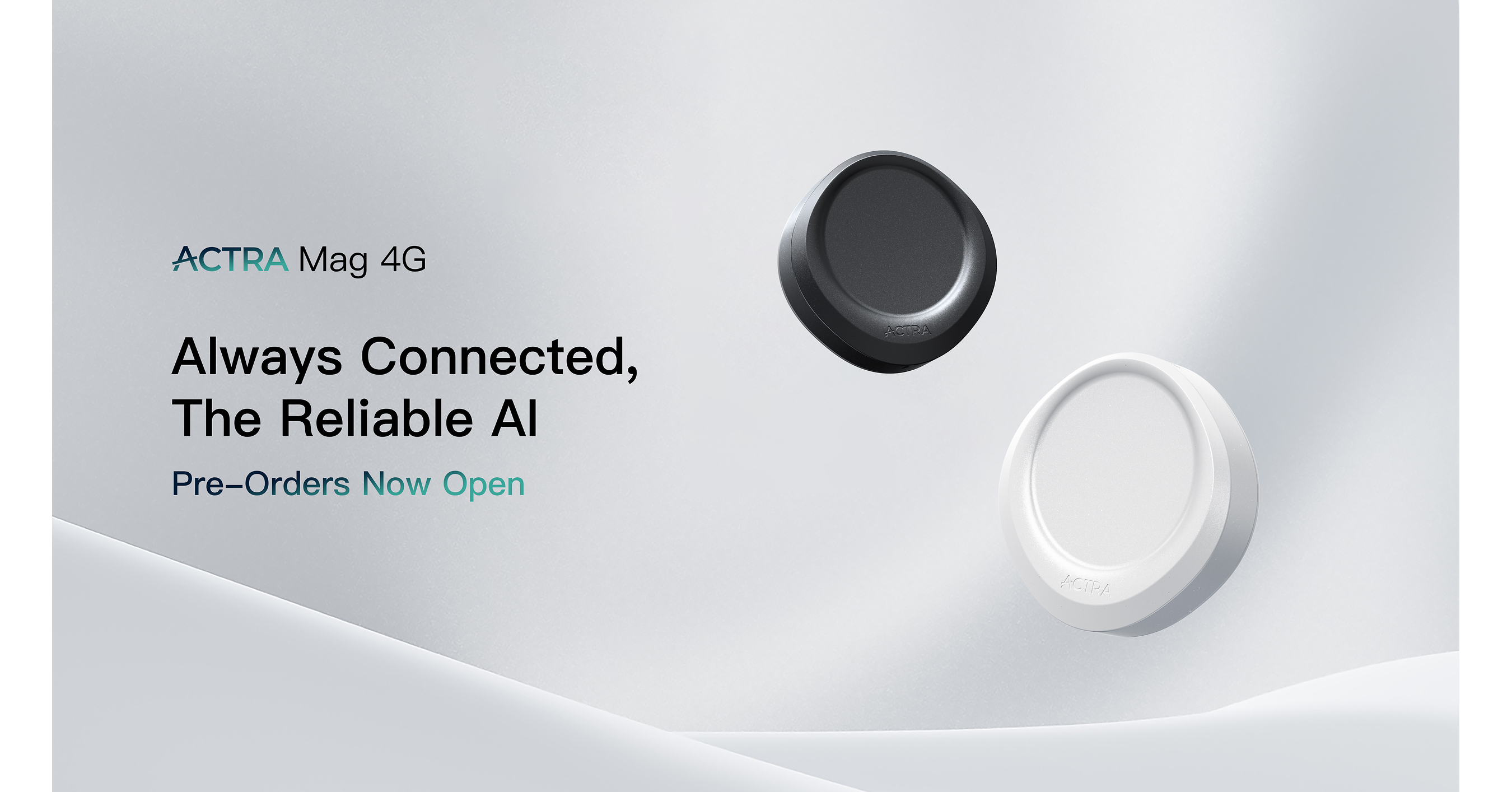
Stavecho launched ACTRA Mag 4G, a roughly 22-gram, screen-free AI pendant, and opened U.S. early access for the first 2,000 units at $199.9; customers can reserve access for $19.9. The device includes independent 4G connectivity, long-term memory and AI-agent features, while the full-purchase offer includes six months of AI Plus and 4G service. This is an early-stage consumer product launch, with no sales or adoption results reported.
Analysis
The investable signal is not the launch itself but whether a wearable can create a durable assistant interface—and recurring service revenue—outside the phone. The early-bird offer tests willingness to pay, but 2,000 discounted units and refundable-or-convertible reservation economics (terms need verification) would not establish product-market fit. The key proof points are conversion from deposits to shipped devices, repeat use, retention after the included service period, and paid-service attach rates. Without those, this is customer-acquisition spend and a hardware experiment, not evidence of a scaled AI business.
The main second-order risk is trust: an always-on device that links conversations to email, calendars, and workplace tools raises consent, data-retention, security, and employer-policy questions. A privacy or reliability failure could impair adoption more than hardware shortcomings. Independent 4G also adds ongoing connectivity costs; economics depend on who pays after the promotional period and whether users accept a subscription. Established ecosystem providers such as Apple, Google, and Meta have distribution and platform advantages, while a successful dedicated interface could still expand demand for AI services and connectivity. No direct listed exposure is identified in the supplied data.
Near term (days), expect limited read-through absent verified order or shipment data. Over 1–3 months, watch delivery timing, reservation conversion, reviews, and service pricing. Over 6–18 months, retention and recurring gross economics—not launch interest—determine whether this is a meaningful category. The contrarian risk is treating a novel form factor as proof of a new platform; the counterpoint is that low-friction, context-aware access could matter if users trust it. Thesis weakens sharply on delays, poor retention, or a privacy incident.
AllMind Terminal
AI-powered research, real-time alerts, and portfolio analytics for institutional investors.
Request TrialMarket Sentiment
Overall Sentiment
mildly positive
Sentiment Score
0.25
Key Decisions for Investors
- No direct trade: Stavecho is not mapped to a listed security, and the launch provides no independently verified scale or unit economics. Avoid extrapolating the reservation offer into demand forecasts for public AI or device companies.
- Put the product on a watchlist; verify shipment dates, deposit-to-purchase conversion, returns, post-promotion AI/4G pricing, and retention after the included service period before treating it as a recurring-revenue signal.
- Monitor Apple, Google, and Meta only as competitive read-throughs, not as attributable beneficiaries or losers: a credible adoption signal could prompt interface responses, but this announcement alone is too small to change their earnings outlook.
- Falsifiers for the adoption thesis: material shipment delays, weak customer reviews or repeat use, service pricing that limits renewal, or evidence of consent, privacy, or security problems.
More News
- Marvell to buy Lumentum in $115 billion deal in AI data-center bet
- Marvell, Lumentum tout historic $115B deal to create ‘category leader' in AI connectivity
- Palantir reports booming U.S. commercial revenue growth, topping government for first time
- Anthropic releases amended IPO prospectus with third-quarter financials
- The AI boom is facing another supply crunch. This time it’s the amount of capital available to feed Silicon Valley’s endless need for cash
- Anthropic to Spend $895 Billion in the Years Ahead