
Israeli Arab Parties Claim Kingmaker Status in Extra-Tight Vote
Source: Bloomberg
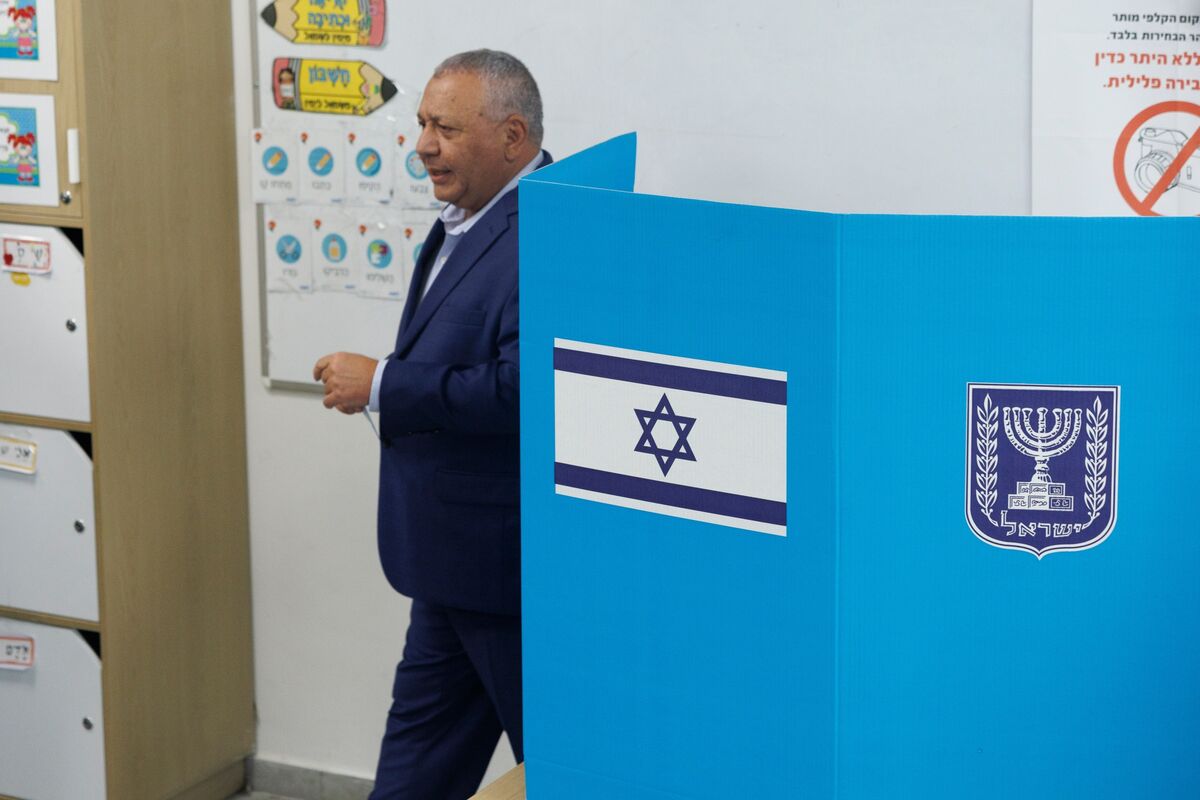
Exit polls showed Israel’s two Arab parties likely to win 18 parliamentary seats, almost double their previous number and well ahead of forecasts. Party leaders had urged supporters to help oust Prime Minister Benjamin Netanyahu, potentially giving the parties kingmaker status in the tight vote.
Analysis
The market-relevant variable is coalition durability, not the seat count itself. A kingmaker role could increase bargaining over budgets and domestic policy, but does not establish that any particular platform will pass; fragmented coalition arithmetic may instead preserve policy continuity. The near-term risk is a higher Israeli risk premium if negotiations imply prolonged instability or renewed election risk, most visible in the shekel and local duration. A coalition that prioritizes Arab-sector investment could create longer-dated demand for public services and infrastructure, but the effect is contingent on an enacted budget and execution, not election-day rhetoric. Security-policy uncertainty is the main potential spillover to defense sentiment. Exit polls are provisional: confirmed results and coalition commitments matter more than the initial headline. This is a low-conviction event signal absent confirmation in FX, sovereign spreads, or policy negotiations.
AllMind Terminal
AI-powered research, real-time alerts, and portfolio analytics for institutional investors.
Request TrialMarket Sentiment
Overall Sentiment
neutral
Sentiment Score
0.00
Key Decisions for Investors
- Do not initiate a directional Israel trade on exit polls alone. Track final seat allocations, coalition negotiations, and whether a government is formed; a credible, durable coalition would weaken the case for a political-risk premium.
- Treat USD/ILS as the cleanest near-term hedge: consider a defined-risk long-USD/short-ILS position only if negotiations stall and the shekel weakens alongside wider Israeli sovereign spreads. Reduce or exit if coalition formation is swift and spreads stabilize; verify current levels and liquidity before entry.
- Keep Israeli equities and local duration neutral pending policy detail. Reassess an underweight versus broad emerging markets if prolonged uncertainty is accompanied by persistent spread widening; reverse the view if a stable coalition and budget reduce uncertainty.
- Watch for enacted spending plans and security-budget changes over the next 1–3 months. A clear increase in Arab-sector public investment could support domestic services and infrastructure over 6–18 months, but avoid trading that theme until funding and implementation are independently verifiable.
More News
- Fed mantiene tasas sin dar muchas pistas sobre diciembre
- Fed holds rates steady despite concerns over inflation
- Warsh says politics played no role in Fed’s rate decision by group he is ’honored’ to lead
- Oil prices rise as Houthi attacks on Saudi Arabian refinery raise supply worries
- SK Hynix Earnings Surge Drives Tech Stocks Higher
- Investors brace for a hawkish hold and tech on tap
From AllMind Research
- AllMind Platform Feature Updates - Fall 2026
- AI Credit Covenant Monitoring: From Clause to Review
- AI-Led Expert Interviews vs. Transcript Libraries
- State of M&A and Private Markets, June 2026: A $4.9 Trillion Rebound, Underwritten on Money That Never Got Cheaper
- Quartr Alternatives for Institutional Research Teams