
As Live Nation Enters Its Busiest Week of the Year, New Global Report Reveals a Return to Real
Source: PR Newswire
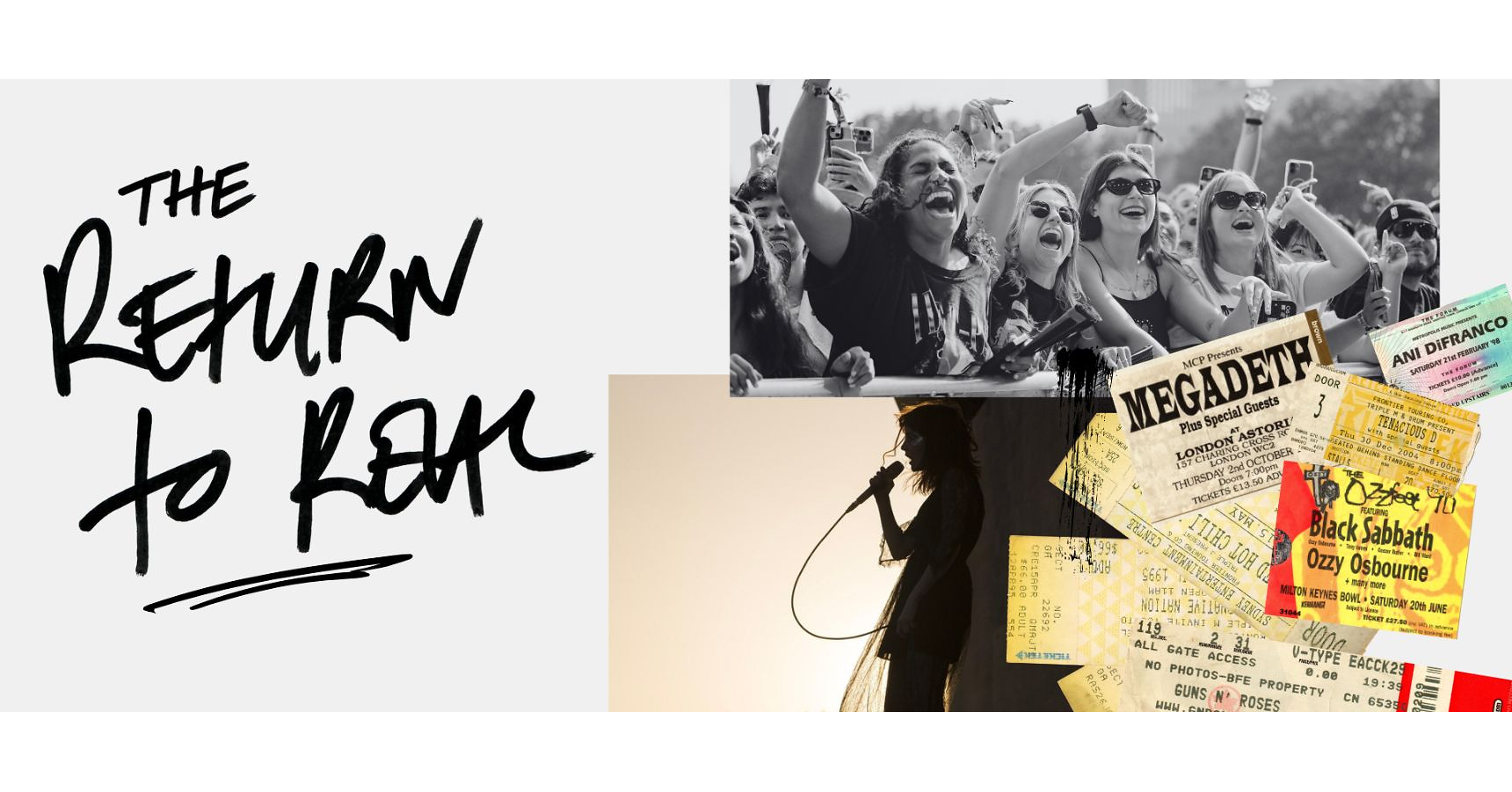
Live Nation expects its busiest U.S. fan-attendance week of 2026, supported by research showing 93% of surveyed fans prefer real-world experiences to digital ones and 80% would rather spend on experiences than physical goods. The company’s report positions live music as a loyalty driver: more than 90% of respondents said live-music benefits would motivate them to join or switch loyalty programs. Spotify, Mastercard and Lowe’s are cited as brand partners using live-event access to deepen customer engagement, though the release provides no financial guidance or earnings figures.
Analysis
This is marketing research rather than an independently verifiable demand datapoint, so it should not alter near-term estimates by itself. The relevant signal is that live-event inventory is becoming a retention currency for consumer brands: this can raise Live Nation's higher-margin sponsorship and fee revenue per attendee without requiring equivalent growth in ticket volume. The key earnings sensitivity is sponsor yield and Ticketmaster take-rate resilience, not a single high-attendance week.
LYV has the strongest strategic leverage because it controls scarce venue, promotion, ticketing and brand-access inventory. MA and SPOT benefit primarily through engagement and retention narratives, but neither gains enough direct revenue visibility to justify a standalone trade; MA's sponsorship expense could rise before any measurable card-spend payoff, while SPOT's concert-access partnerships may improve paid-user retention but also increase promotional cost.
Over the next 1-3 months, monitor LYV's sponsor-sales commentary, deferred revenue, concert attendance and per-fan ancillary spending against consensus. Over 6-18 months, a sustained shift toward access-based loyalty could widen the gap between LYV and independent promoters/venues that lack global data, ticketing integration and packaged sponsorship inventory. The thesis is falsified by slower sponsorship growth, evidence that brands substitute cheaper digital acquisition channels, or renewed regulatory constraints on Ticketmaster practices that impair pricing or bundling economics.
Contrarian view: the market may already capitalize the scarcity premium in LYV, while experiential demand is cyclical at the consumer-wallet level. A weaker labor market would pressure discretionary ticket and travel spending first among lower-income fans, potentially forcing artists and promoters to absorb the hit through lower prices or guarantees; premium access benefits could then remain valuable to brands even as LYV's concert economics soften.
AllMind Terminal
AI-powered research, real-time alerts, and portfolio analytics for institutional investors.
Request TrialMarket Sentiment
Overall Sentiment
mildly positive
Sentiment Score
0.32
Ticker Sentiment
Key Decisions for Investors
- No event-driven trade on the release alone; treat it as a watch signal until LYV reports measurable acceleration in sponsorship revenue, attendance or per-fan spend at the next earnings update.
- Maintain a 6-12 month constructive bias on LYV versus a broad media basket (long LYV / short XLC) only on post-earnings confirmation of sponsorship growth above consensus and stable concert margins. Exit if sponsorship growth decelerates materially or regulatory developments create a credible take-rate constraint.
- Do not chase MA or SPOT on the partnership narrative. Reassess only if MA discloses loyalty-linked spend lift or SPOT demonstrates concert-access initiatives improve paid churn without a material increase in sales-and-marketing expense.
- For downside protection on any LYV long, use defined-risk puts spanning the next earnings date; the principal near-term risk is a discretionary-demand reset rather than failure of the long-term access/loyalty thesis.
More News
- What investors need to know about Alphabet's stock-busting earnings report
- Our next steps for Alphabet stock after earnings disappoint at nearly every turn
- Fortinet’s stock is taking a dive after earnings. Here’s why.
- Wendy's shares jump 15% as Nelson Peltz's Trian offers $1.4 billion to buy burger chain
- Microsoft's Big Bets on AI Start to Pay Off
- Google's Gemini 4 Carbon looks like a diamond in the rough