
Niutech signe un accord avec un géant mondial de l'énergie pour la mise en place d'une ligne de pyrolyse des déchets plastiques destinée à la production de carburant d'aviation durable (CAD)
Source: PR Newswire
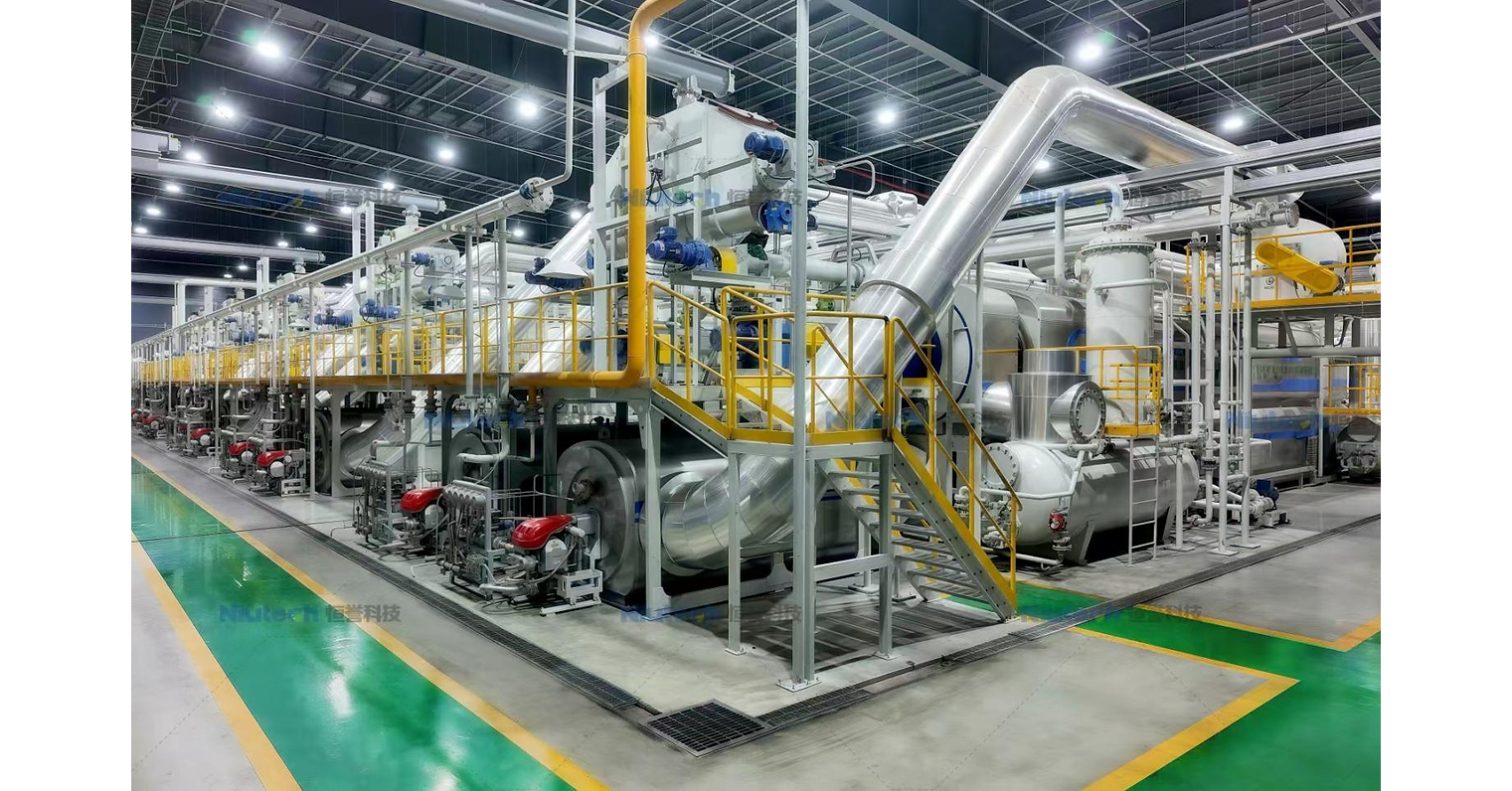
Niutech signe un contrat avec un géant mondial de l’énergie pour une ligne de pyrolyse continue de déchets plastiques visant la production de carburant d’aviation durable (CAD), avec une capacité unitaire de 10 000 à 50 000 t/an. Le projet modernise une raffinerie afin d’aller de l’huile de pyrolyse aux volumes de CAD hydrotraité, dans un contexte de durcissement des exigences ReFuelEU Aviation (2% dès 2025, 6% d’ici 2030, 70% d’ici 2050). Le partenariat représente la première incursion de Niutech dans la chaîne d’approvisionnement d’équipements du client, soutenant une trajectoire de croissance orientée décarbonation.
Analysis
This is better viewed as a validation event for the SAF supply chain than as a revenue event for the equipment vendor. The economically important signal is that a large integrated energy company is willing to test plastic-derived pyrolysis oil as a refinery input, which reduces dependence on the narrow UCO feedstock pool and improves optionality for refiners with hydroprocessing assets. If that pathway works at scale, the winner is the integrated refiner that can arbitrage cheap waste feedstocks into compliance credits; the loser is the scarcity premium embedded in UCO-heavy SAF economics.
Near term, the market should not overreact: one contract does not tell us anything about uptime, yield, catalyst life, or hydrogen intensity, which are the variables that determine whether this becomes a margin contributor or a capital sink. The 1-3 month catalyst path is follow-on disclosure on plant utilization, repeat orders, and whether the customer treats this as a pilot or a standardization decision. In a 6-18 month window, repeated deployments could shift bargaining power away from pure waste-collectors and toward integrated refiners with existing hydrotreating capacity.
The contrarian risk is that investors are overpricing the circular-economy narrative while underpricing the difficulty of continuous industrial operation on mixed plastics. If early plants underperform on throughput or cleanup costs, the thesis unwinds quickly and this remains a niche technology story. No direct read-through to GOOGL; any sympathy move there would be noise, not fundamentals.
AllMind Terminal
AI-powered research, real-time alerts, and portfolio analytics for institutional investors.
Request TrialMarket Sentiment
Overall Sentiment
mildly positive
Sentiment Score
0.35
Key Decisions for Investors
- Lean long XLE / short JETS over 3-6 months as a modest policy-cost transfer trade: refiners with SAF optionality can monetize compliance, while airlines face a slower pass-through of mandated blend costs; reduce if EU enforcement is softened or jet cracks compress sharply.
- Do not trade GOOGL on this headline; there is no first-order earnings sensitivity. Use any move in the stock as a fade candidate unless there is a separate data-center power or AI catalyst.
- Set a watch item on DAR and other feedstock-dependent renewable-fuels names: if plastic-to-SAF projects start showing repeatable uptime and public capex commitments, the scarcity value of UCO-linked feedstocks can compress over 6-18 months.
- Wait for operating evidence before buying the technology layer: only consider exposure after the first commercial unit reports sustained utilization and product quality, otherwise the risk/reward is dominated by execution failure rather than policy upside.
More News
- Treasuries Soar as Tech Slump Threatens Growth
- CoreWeave credit default swaps hit distress levels as investors sour on AI debt
- Brian Sullivan: Why the 'real' price of oil is likely $30-$40 higher than where it is now
- Penske Automotive agrees to be taken private by Penske, Mitsui
- Latest Oil Market News and Analysis for Oct. 16
- Supermicro promised a new CFO in December 2024. A $2.5 billion smuggling case and a co-founder’s arrest later, it has one