
Zendure prezentuje Agentic HEMS na targach IFA 2026: „Domowe centrum zarządzania energią ery AI"
Source: PR Newswire
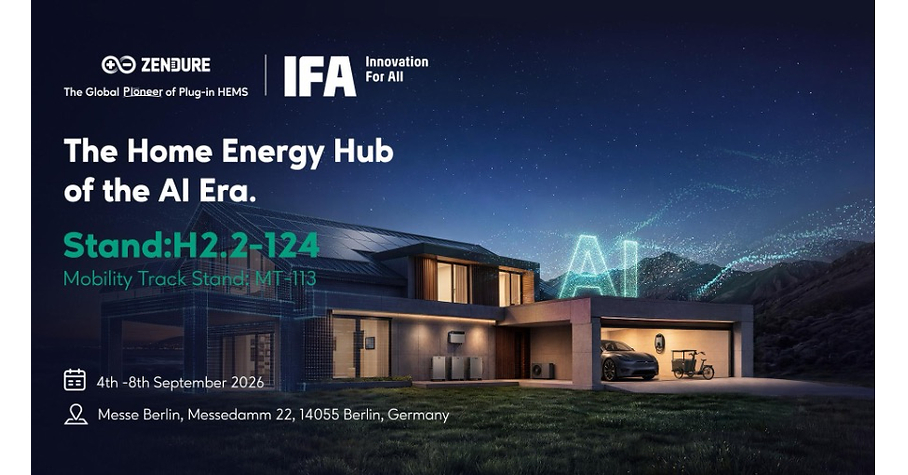
Zendure introduced “Agentic HEMS” at IFA 2026, positioning it as an AI agent-based home energy management system that can predict, plan, and act autonomously using its ZenPulse forecasting model, ZENKI™ agents, and the open Zen+OS platform. The company highlights integrations across smart-home and energy ecosystems (e.g., 90%+ appliance coverage, 870+ energy providers) and claims potential benefits such as shifting consumption to lower dynamic-tariff periods and reducing electricity bills, but the article provides no quantified financial results.
Analysis
This is less a single-product story than an attempt to move home energy management up the stack from device control to software orchestration. If that workflow is real, the economic value migrates away from standalone hardware features and toward the platform that can coordinate batteries, EV charging, heat pumps, and tariff optimization across brands. That is structurally positive for open-API ecosystems and installers, but it is a long-term margin headwind for closed-stack residential storage vendors that depend on app lock-in as part of their moat.
The immediate market impact should be limited because the release is still a claim, not evidence of meaningful attach rates or customer retention. The key 1-3 month catalyst is whether European distributors, installers, and utility partners treat this as a sellable software layer rather than a demo; without third-party adoption, this is just category theater. The real watch item is whether the economics improve after battery degradation, warranty reserve, and installation friction are included—if not, the "AI savings" story will compress quickly.
Second-order effects matter more than the announcement itself: wider adoption of autonomous load shifting would flatten evening peak demand, reduce retailer gross margins on flat tariffs, and increase wholesale price volatility around solar hours. That is mildly bearish for traditional power retailers and positive for flexibility aggregators, but only over a 6-18 month horizon if the product gets embedded in installer channels. The contrarian miss in the market is that the moat is not the model; it is certification, integrations, and distribution. If those are weak, this should be faded, not chased.
AllMind Terminal
AI-powered research, real-time alerts, and portfolio analytics for institutional investors.
Request TrialMarket Sentiment
Overall Sentiment
neutral
Sentiment Score
0.10
Key Decisions for Investors
- No immediate directional trade on the press release; treat this as a watch item until there is evidence of installer or utility adoption in Europe over the next 1-3 months.
- If channel checks confirm real traction, favor long ENPH as a relative winner versus more closed residential energy stacks; the thesis is broader HEMS adoption lifts attach rates while preserving better software credibility. Use a 6-12 month horizon and fade if gross margin/ASP trends deteriorate.
- Pair trade to express commoditization risk: short SEDG against long ENPH only if distributor data show customer demand shifting toward open, multi-brand orchestration rather than proprietary ecosystems. Exit if SEDG shows renewed software monetization or share stabilization in the next two quarters.
- Set an alert on European residential electricity spreads and dynamic tariff penetration; if spreads compress materially or policy support rolls back, the payback period weakens and the whole HEMS adoption thesis should be cut.
- Avoid buying utility retailers or flat-rate power names on the assumption this is bullish for power demand; the first-order impact of scaled load shifting is usually margin compression for retailers, not volume growth.
More News
- Iran says two tankers catch fire after hitting mines in Strait of Hormuz
- Why Marco Rubio’s visit to Mumbai has ruffled feathers in India
- US and Iran both claim control of Strait of Hormuz amid attacks on vessels
- Bending Spoons wants to revive software castoffs. Berkshire is backing the plan
- AI rapidly improving, could vastly boost U.S. GDP, Anthropic's Clark tells policymakers
- Semiconductor market to remain solid ‘at least through next year,’ South Korea finance minister says
From AllMind Research
- Anthropic IPO Preview: Valuation, Timing, and What to Watch
- Shein After the IPO: Venue, Valuation, and What Must Be Proved
- What AI Research Tools Should a Small Hedge Fund Buy First?
- Reading Conviction in the Tape: What Level 3 Order Book Data Really Tells Discretionary PMs
- AI Tools for CFA Charterholders: An Evidence Standard