
Unilever: 15-Year-High Volume Growth Isn't Enough
Source: seekingalpha.com
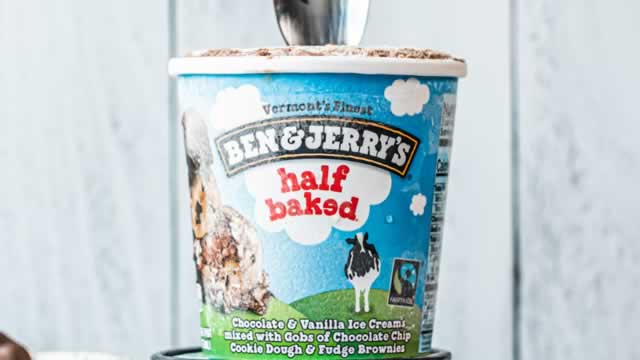
Unilever delivered its strongest volume growth in more than 15 years, with Q2 underlying sales rising 5.8% and margins improving, supported by emerging-market demand. Portfolio streamlining, potential divestitures and the McCormick deal could generate capital for future buybacks, but the stock remains rated Hold because its valuation offers limited margin of safety. Macro headwinds and private-label competition remain key risks.
Analysis
UL’s key investment question is no longer whether the operating reset is working, but whether execution can outrun a valuation that now embeds sustained mid-single-digit organic growth and further margin delivery. The relevant sensitivity is mix: emerging-market volume can support reported growth, but a higher share of lower-price-point products and FX volatility may cap absolute gross-margin conversion. A modest deceleration in developed-market pricing or a renewed commodity-input move would therefore matter disproportionately to earnings revisions over the next 1-3 quarters.
Portfolio simplification can improve management focus and release capital, but the market should discount proceeds until transaction terms, stranded-cost absorption, and the ultimate capital-return mix are disclosed. Buybacks are most accretive only if funded without sacrificing brand investment; cutting advertising to protect margins would increase private-label vulnerability and weaken the durability of the volume recovery. The more important 6-18 month risk is that branded food and home-care categories become structurally more promotional as retailers use private label to defend traffic and margins.
MKC is a potential second-order beneficiary if any branded food assets or category capabilities become available, but an acquisition would likely be viewed skeptically unless it offers clear procurement synergies and does not raise leverage. For UL, the contrarian view is that the market may be underestimating how much clean-up of low-return businesses can improve return on invested capital; however, that upside requires evidence that disposals lift organic growth and margins rather than merely create a one-time capital-return narrative. There is no high-conviction directional trade until the next results establish whether volume strength is holding while price/mix normalizes.
AllMind Terminal
AI-powered research, real-time alerts, and portfolio analytics for institutional investors.
Request TrialMarket Sentiment
Overall Sentiment
mixed
Sentiment Score
0.12
Ticker Sentiment
Key Decisions for Investors
- Maintain UL at benchmark/hold over the next 1-3 months; do not chase operating momentum until management demonstrates that organic growth remains above 4% with stable or improving underlying operating margin despite lower pricing contribution.
- Use any UL rally following asset-sale headlines to reassess rather than add: require disclosed net proceeds, stranded-cost guidance, and a defined buyback framework. Thesis is weakened if disposals reduce growth faster than they improve ROIC or if capital is directed toward expensive acquisitions.
- Monitor a relative-value setup: long UL / short a broad European staples proxy only if UL’s forward earnings estimates rise while peers’ remain flat, confirming company-specific execution rather than a defensive-sector rerating. Exit if UL volume growth falls below 2% for two consecutive quarters or margin guidance is reduced.
- Keep MKC on M&A watch rather than initiating on speculation. Consider a tactical long only after a transaction announcement establishes purchase multiple, financing, and cost-synergy targets; avoid if leverage rises materially without a credible path to accretion within 18-24 months.
More News
- Here’s the ‘core economic flaw’ in the AI bull case as stock and bond trades unravel, according to a top economist
- Biotech stocks are surging. How investors can play the new drug innovation boom
- Braskem creditors, shareholders near deal on $11bn debt restructuring
- Instacart reportedly discussed selling itself with DoorDash and Uber
- Sudan’s soaring fuel prices make getting by harder for workers
- Nvidia's role as AI financier faces first big test as neoclouds take market hit