
Huawei e i partner del settore tracciano il percorso dalla semplice fruizione di energia del consumatore al modello prosumer in occasione del 10° Global ICT Energy Efficiency Summit
Source: PR Newswire
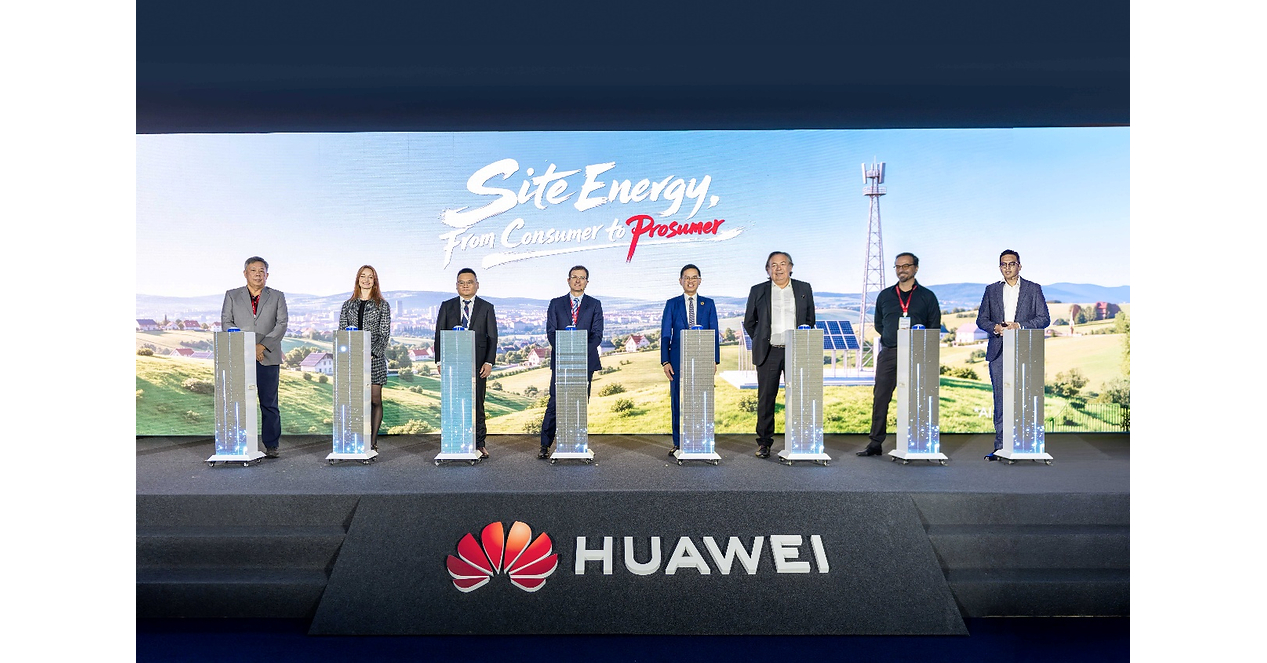
Huawei’s 10th Global ICT Energy Efficiency Summit highlighted telecom sites transitioning into energy prosumers through virtual power plants (VPPs), on-site solar and storage, and AI-managed batteries. The article cites installed solar-plus-storage costs below $0.04/kWh and European site-level VPPs with roughly three-year average payback and about €800 in annual revenue per site. Examples include essential services operating for up to 12 hours during Portugal’s blackout and 86% of participating Southeast Asian rural sites needing no diesel refills for 24 months.
Analysis
The investable signal is not the “prosumer” label; it is whether telecom backup assets can earn incremental grid revenue without compromising uptime. The key friction is split incentives: operators may control batteries and service requirements, while TowerCos control site access or power contracts. Unless contracts allocate market revenues and degradation costs clearly, headline site economics may not translate into either party’s earnings. Aggregators and vendors of controls, storage, and energy-management software could benefit first; equipment makers’ upside is less certain because interoperability and grid-market access, not hardware alone, are the bottlenecks.
Treat the summit’s ROI and site-revenue figures as promotional until independently verified across a representative fleet. Ancillary-service prices can fall as VPP capacity scales, and frequent cycling can shorten battery life or consume backup headroom. European grid rules, connection limits, cybersecurity requirements, and restrictions on Huawei equipment may also slow deployment or redirect procurement toward other suppliers.
Days: limited basis for a directional trade; the announcement is not evidence of material earnings revisions. Over 1–3 months, look for operator/TowerCo pilots that disclose deployed sites, realized revenue, battery degradation, and contract ownership. Over 6–18 months, successful standardization and aggregation could turn distributed storage into a recurring flexibility market, but likely a modest earnings contributor unless rollout is large. The contrarian point: resilience and avoided diesel may be more durable value than volatile power-market income. Thesis weakens if pilots fail to scale, realized revenues fall below operating/degradation costs, or uptime metrics deteriorate.
AllMind Terminal
AI-powered research, real-time alerts, and portfolio analytics for institutional investors.
Request TrialMarket Sentiment
Overall Sentiment
moderately positive
Sentiment Score
0.45
Key Decisions for Investors
- No immediate trade on the summit announcement alone. Put telecom operators, TowerCos, VPP aggregators, and battery/energy-management suppliers on watchlists; do not infer material revenue from the cited per-site economics.
- Set a 1–3 month diligence trigger: require disclosed fleet size, realized net revenue after aggregator fees and battery wear, capex responsibility, and the contract split between operator and TowerCo before underwriting earnings impact.
- Conditional expression: if independently reported pilots show positive net returns with unchanged backup-availability metrics, favor diversified energy-management/VPP exposure over a broad telecom long; avoid a Huawei-specific bet until procurement eligibility and customer adoption are clear.
- Falsify the thesis if deployment remains pilot-scale, net revenues fail to cover cycling and integration costs, or operators report reduced resilience. Conversely, repeatable multi-country contracts and stable availability would support a 6–18 month reassessment.
More News
- The U.S. market has never been more focused on one single bet—but AI’s payoff will likely take decades
- Meta put out an ambitious roadmap to Muse monetization after strong quarter and guide
- Russian Drones Are Already Killing People Within EU Territory
- CoreWeave’s market confidence erodes as bond yields spike and stock sinks
- Jio IPO Sees Overwhelming Demand on Day One Even as Nifty Struggles
- One killed, eight injured in attack on Saudi Arabia’s King Fahd airport
From AllMind Research
- Anthropic IPO Preview: Valuation, Timing, and What to Watch
- Shein After the IPO: Venue, Valuation, and What Must Be Proved
- What AI Research Tools Should a Small Hedge Fund Buy First?
- Weekly Update: Adding Live MBO Level 3 Data - Liquidity Heatmap, OFI Charts, and More
- AI Software for Buy-Side Teams: Build the Research Stack